
Product OS13 min read
What Is Product Lifecycle Management? The Modern Definition
Traditional PLM stops at the factory gate. Modern product lifecycle management tracks every unit through ownership, service, resale, and end-of-life recycling.
Insights on building better post-purchase experiences
Traditional PLM stops at the factory gate. Modern product lifecycle management tracks every unit through ownership, service, resale, and end-of-life recycling.
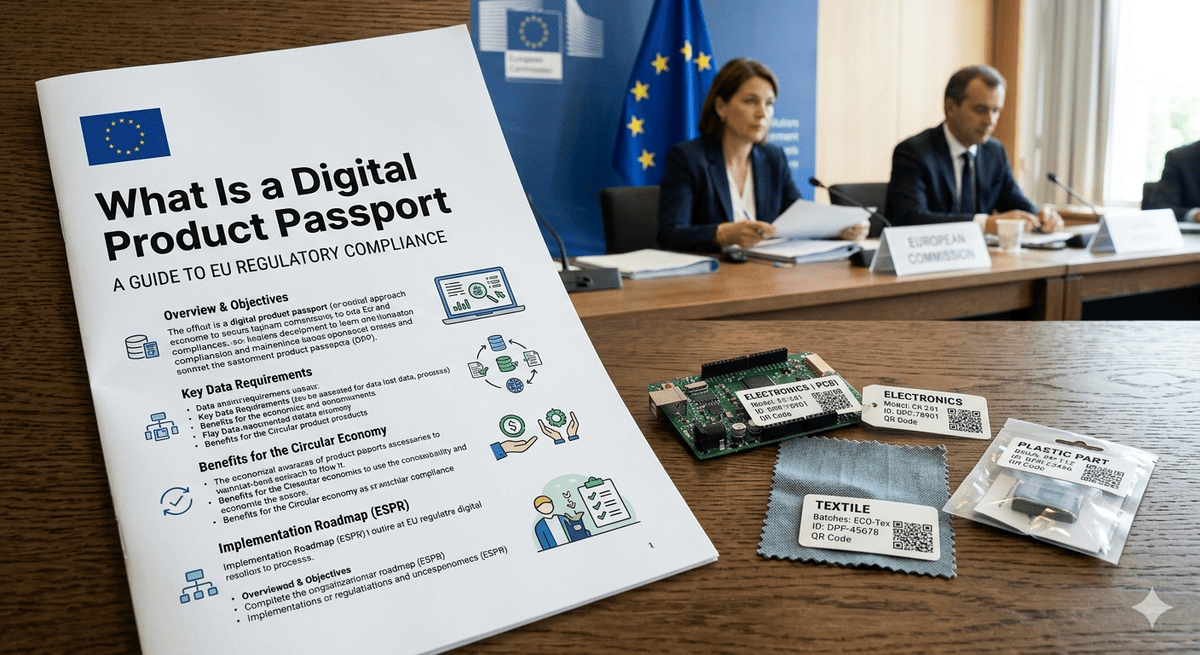
Digital Product Passports are changing how physical products are made, sold, and recycled. Here's what they are, what data they require, and how to prepare.
Physical products leave the factory and disappear from your systems. Digital product identity connects every unit to the owner, the warranty, and the full lifecycle.
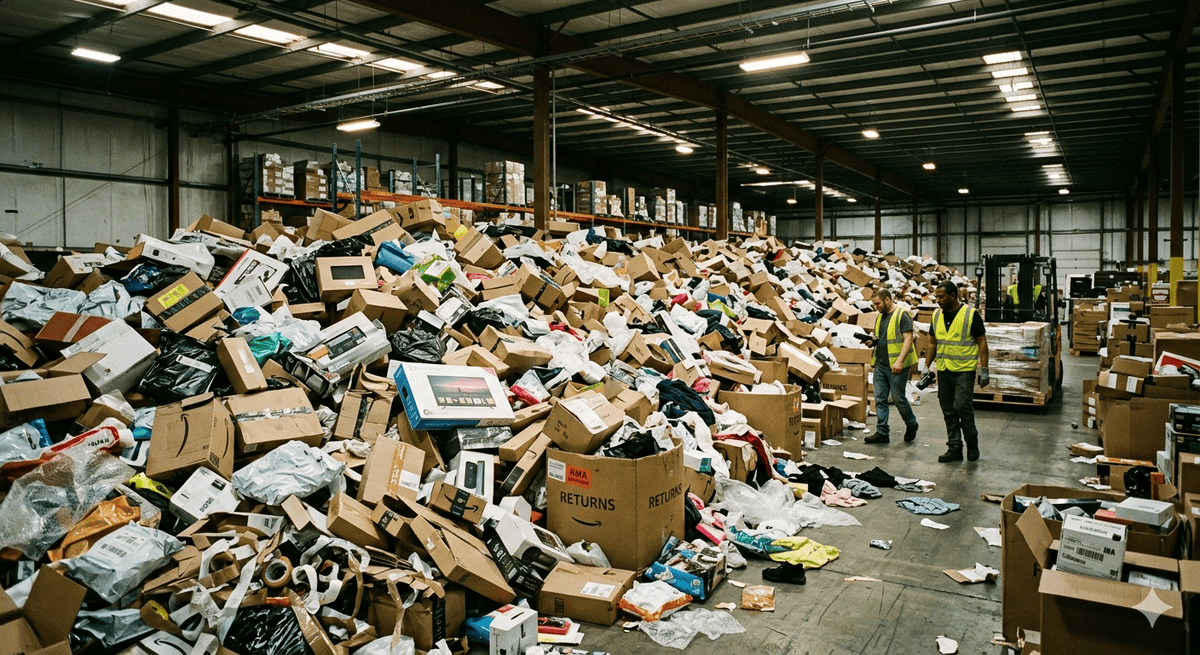
Manufacturers spend billions acquiring customers and almost nothing keeping them. The post-purchase gap is the largest untapped revenue opportunity in manufacturing.

Most warranty dashboards show raw counts. Here's what world-class warranty analytics looks like — and why your current tool is hiding the most valuable signals.

15 post-purchase experience statistics manufacturers need to know — from warranty registration rates to aftermarket revenue leakage. The opportunity is enormous.

Commercial kitchen equipment requires Gas Safe certs, F-Gas logs, and annual servicing — all on paper. When the restaurant sells, the compliance chain breaks.
Agent-ready cuts both ways: AI agents that build and manage your product experiences through MCP, and AI agents that read them. Here is what that means for manufacturers.

Fire alarm manufacturers can't reach every building their detectors protect. When ownership changes, compliance records vanish.
Extended warranties generate 40-60% gross margins. Retailers and third-party providers capture almost all of it. Here's how manufacturers take it back.

Registria pioneered product registration. But if you need AI support, spare parts commerce, or EU compliance alongside registration, here's what else is out there.

A lifetime warranty signals confidence in your product. But without digital identity, it's a promise you can't track, transfer, or operationally deliver.

80% of boats sold in the UK are secondhand. Every fitted electronic loses its warranty at the point of sale. Here's why — and what product identity fixes.

Most professional power tools ship with a 1-year warranty. The 3-year extension requires registration within 30 days — and 80% of tradespeople miss it.

Claims automation tools speed up the inbox. But the real problem starts earlier — at the product. Here's what most warranty software misses.

Trust verifies a claim. Ownership knows who holds it. The difference determines whether your post-sale relationship survives the next owner.

Product trust infrastructure is the identity, ownership, and lifecycle layer that makes physical products verifiable. Here's what it means for manufacturers.

If you knew the name, contact, and purchase history of every person who ever bought from you — what would that be worth?
Tesla reduced car buying to 12 clicks and sales went up 20x. Every manufacturer should apply the same thinking to what happens after the sale.

The last time most manufacturers know anything about a product is when it leaves the warehouse. Everything after happens without them.

You bought it. Something broke. You cannot find the manual or the manufacturer. This is what every product owner experiences.

NeuroTags handles anti-counterfeiting well. But for the full post-purchase lifecycle — AI support, spare parts, and EU DPP compliance — here's what to consider.

Comparing the 5 leading product registration software platforms for UK manufacturers in 2026 — features, pricing, EU DPP readiness, and who each one suits.
EU Right to Repair resets your warranty clock 12 months when a consumer chooses repair. Why most manufacturers aren't operationally ready for July 2026.
Comparing the 7 best product registration software platforms for UK manufacturers in 2026 — features, pricing, and DPP readiness.
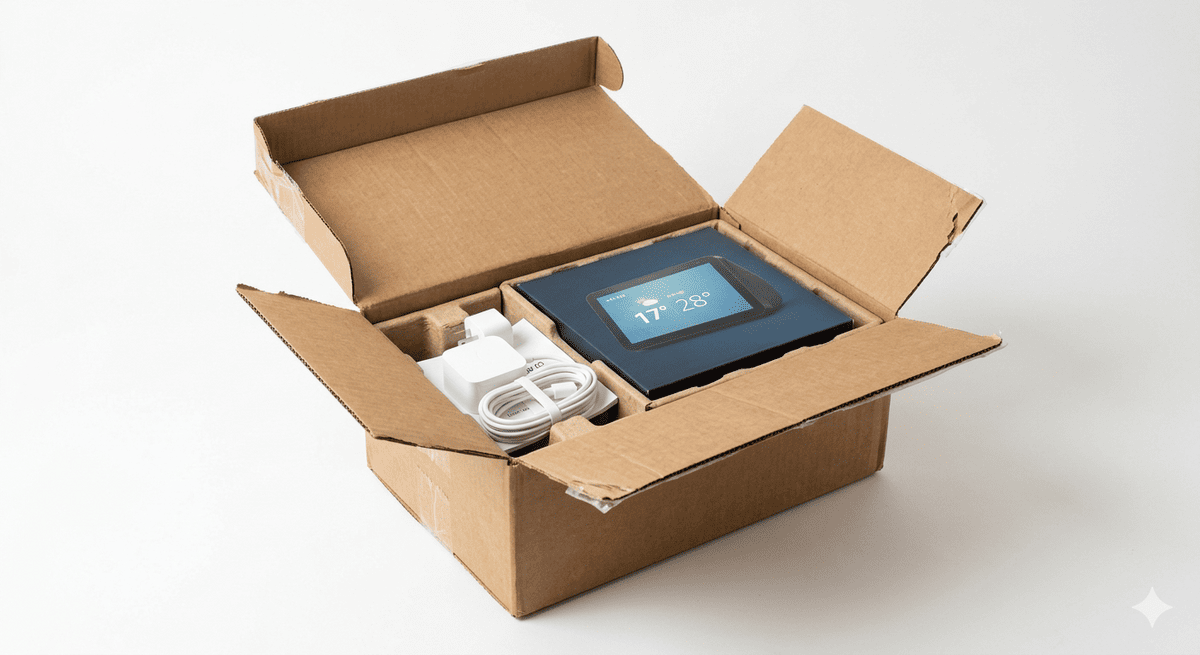
AI warranty agents process claims faster — but they still start from zero when 70% of products are unregistered. Product identity is the missing data layer.

UK manufacturers build the product but Amazon takes the spare parts margin. Product identity creates a direct aftermarket channel that keeps revenue in-house.

Warranty software activates when something breaks. By then, 70% of your customers are already invisible. The real fix starts at manufacture, not at failure.

Warranty registration captures one moment. Product identity captures a lifetime. Here is why the distinction matters for manufacturers.

Most warranty and registration tools cannot support Digital Product Passports. Build DPP compliance in from day one or pay to replace your platform by 2027.
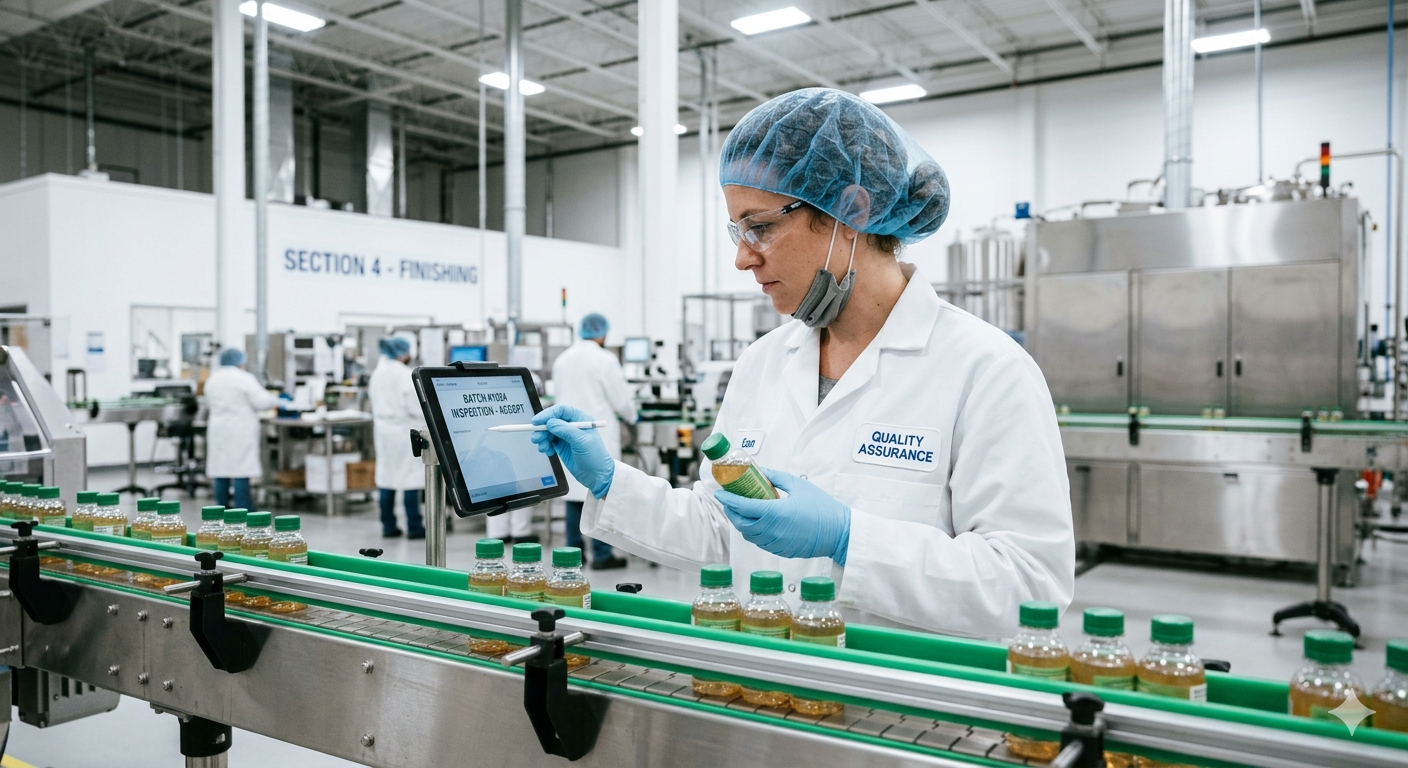
Registria serves US enterprise. UK manufacturers need DPP compliance, mid-market pricing, and local support. BrandedMark is the alternative.

Kezzler excels at enterprise serialisation. But if you need consumer-facing experiences, warranty management, spare parts, and AI support too — here's what to consider.

A post-purchase OS gives every product identity, memory, and intelligence after the sale. Here is what it does, who needs it, and why it matters now.
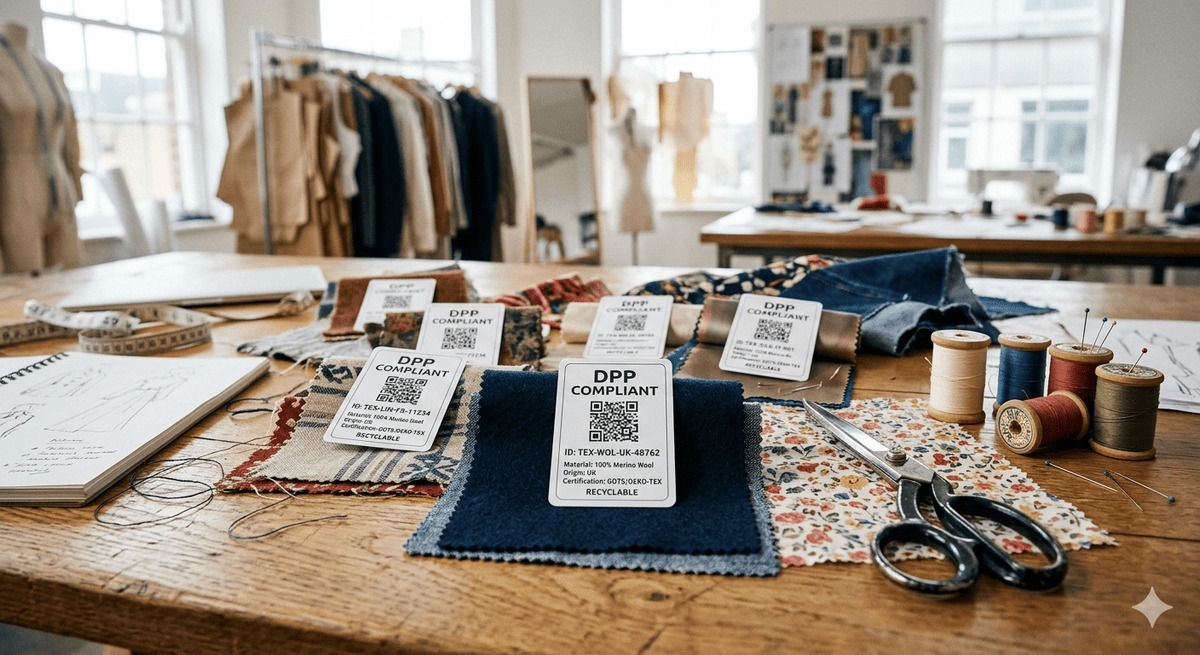
Textiles are among the first ESPR categories. Here's what Digital Product Passport compliance requires for clothing and footwear — and how to use it competitively.

When a manufacturer is acquired, warranty obligations transfer — but warranty data often doesn't. Here is what customers and manufacturers need to know.

When you sell your house, product warranties on your boiler, heat pump, and EV charger don't transfer automatically. Here is what manufacturers can do about it.
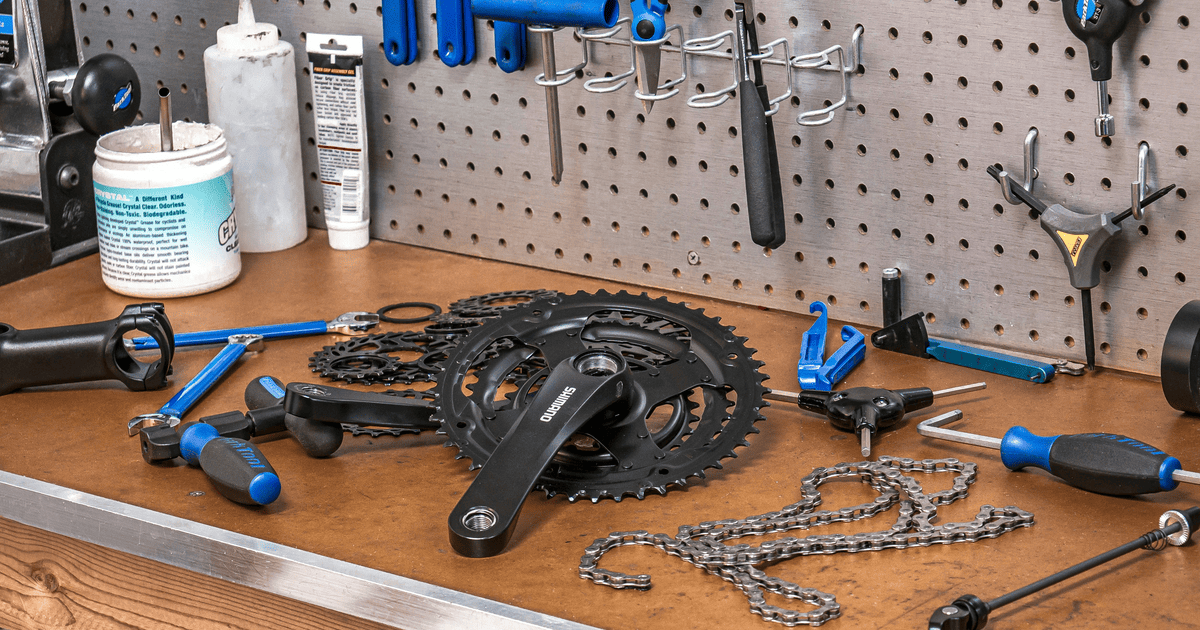
Warranty, spare parts, resale, repair, recall — everything after despatch happens without the manufacturer. Every moment is an opportunity lost.

We examined the warranty registration processes of 26 UK manufacturers. 73% have no digital registration. Here's what customers actually experience.

Consumer electronics face some of the earliest EU Digital Product Passport deadlines. Here's what data you need, what the regulation requires, and how to comply in time.

Comparing 6 warranty management platforms for UK manufacturers in 2026. Features, pricing, and which fits your business.

Most manufacturers have never spoken to the people who bought their products. The warranty gap is a relationship that never started.

The belief that the job ends when the product ships is structural, not accidental. Here is where it comes from — and what it costs in 2026.

The buyers who love your products most — who recommend you, rebuy, and stay loyal for years — are invisible. Manufacturers have no idea who they are.
Right to Repair laws are tightening across the EU, US, and Australia. UK manufacturers selling globally need to understand what's coming and what to build now.

EU Right to Repair takes effect 31 July 2026. UK manufacturers face new spare parts, repair access, and traceability obligations. Prepare now.

EU distributors are already requiring DPP-compliant identifiers. The central registry opens July 2026. Here's exactly what UK manufacturers must have in place.

Construction products face detailed EU Digital Product Passport requirements. Here's what compliance looks like for building materials, fixtures, and components.

Dyrect works well for Shopify warranty registration. But manufacturers who need serial tracking, AI support, spare parts commerce, and EU DPP compliance need more.
EU Right to Repair Directive takes effect July 31, 2026. UK manufacturers selling into Europe face new repair obligations and spare parts rules.

UK manufacturers invest in craft and quality. But the post-purchase experience — warranty, registration, owner identity — rarely matches. Here's the gap.

Claimlane handles claims well. But UK manufacturers need product identity, ownership transfer, and DPP — a different tool.

Home appliances are a priority ESPR category. If you make ovens, washing machines, or HVAC equipment, here's exactly what Digital Product Passport compliance requires.

Pet product recalls reach fewer than 20% of owners. Digital product identity gives pet care brands the direct relationship their customers expect.

From lifejackets to golf clubs, sports equipment carries warranties that disappear on resale. Per-unit digital identity connects every product to its owner.

Autonomous mowers and garden tractors ship without digital identity. Spare parts revenue leaks to Amazon while manufacturers stay blind.

When a leisure centre changes operator, the equipment stays but service records, warranties, and maintenance history disappear. Per-unit identity fixes this.
UK hi-fi brands build world-class products — then lose the customer the moment the box ships. Here's what that costs, and how to fix it.

UK manufacturers invest everything in product quality but surrender the customer relationship the moment the box leaves the warehouse. Here's what that costs.

Within 6 months of purchase, UK law flips the burden of proof onto you. Most manufacturers don't know — and can't meet it. Here's what you need.

Cut through the DPP noise. A practical guide for UK manufacturers on what a Digital Product Passport actually requires — and why fixing post-purchase pain gets you there.

John Deere's $99M FTC settlement is a warning for UK ag manufacturers. When you lock farmers out of their own machines, regulators eventually force the door.
The UK Sovereign AI Fund backs AI builders. But manufacturers are the users. What the AI wave means for UK product companies.
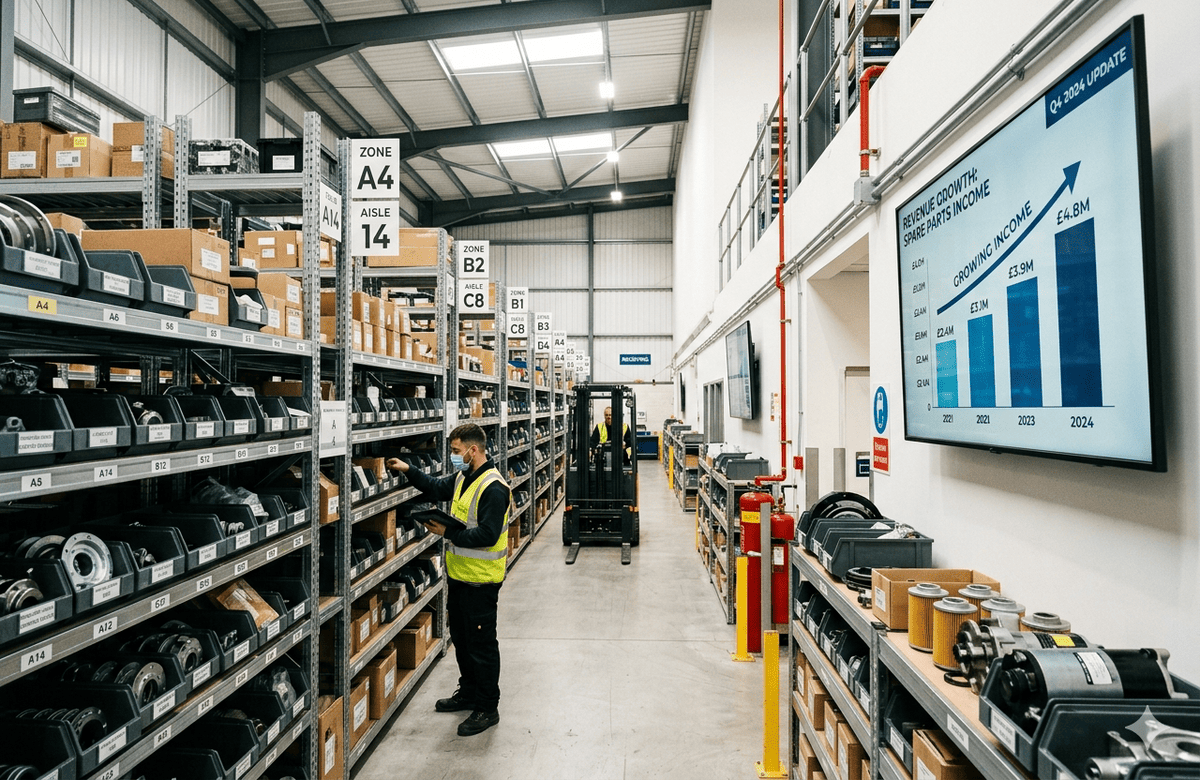
You designed the part. You hold the stock. Amazon takes the sale. Here's why manufacturers lose spare parts revenue — and the per-unit fix.

Would the customers you can name fill a single spreadsheet? For most manufacturers, the answer is somewhere between embarrassing and zero.

Returns cost UK manufacturers billions annually. Most write off returned products because they cannot identify them. Product identity changes the equation.

Consumer expectations for warranty support have shifted to instant. Most manufacturers still take days to even acknowledge a claim. Here is what closes the gap.

When a baby product recall hits, manufacturers reach only 15% of owners. Digital registration closes the gap between safety intent and safety action.

Mattress brands promise 10-year warranties but can't identify a single owner. Manual warranty processing costs £15-25 per interaction — five to ten times more than digital. Here's what fixing it looks like.

EU Toy Safety Regulation mandates digital product passports for toys. Manufacturers who act now get compliance and customer data in one move.

UK white goods manufacturers ship millions of appliances yearly but capture almost no owner data. Here's why product registration is broken and how to fix it.

Intercom's Fin Apex 1.0 beats GPT-5 at customer service resolution. But for physical products, a better model doesn't fix the missing data problem.
Product registration software captures customer identity at unboxing. What it does, what to look for, and how QR registration delivers 55%+ rates.
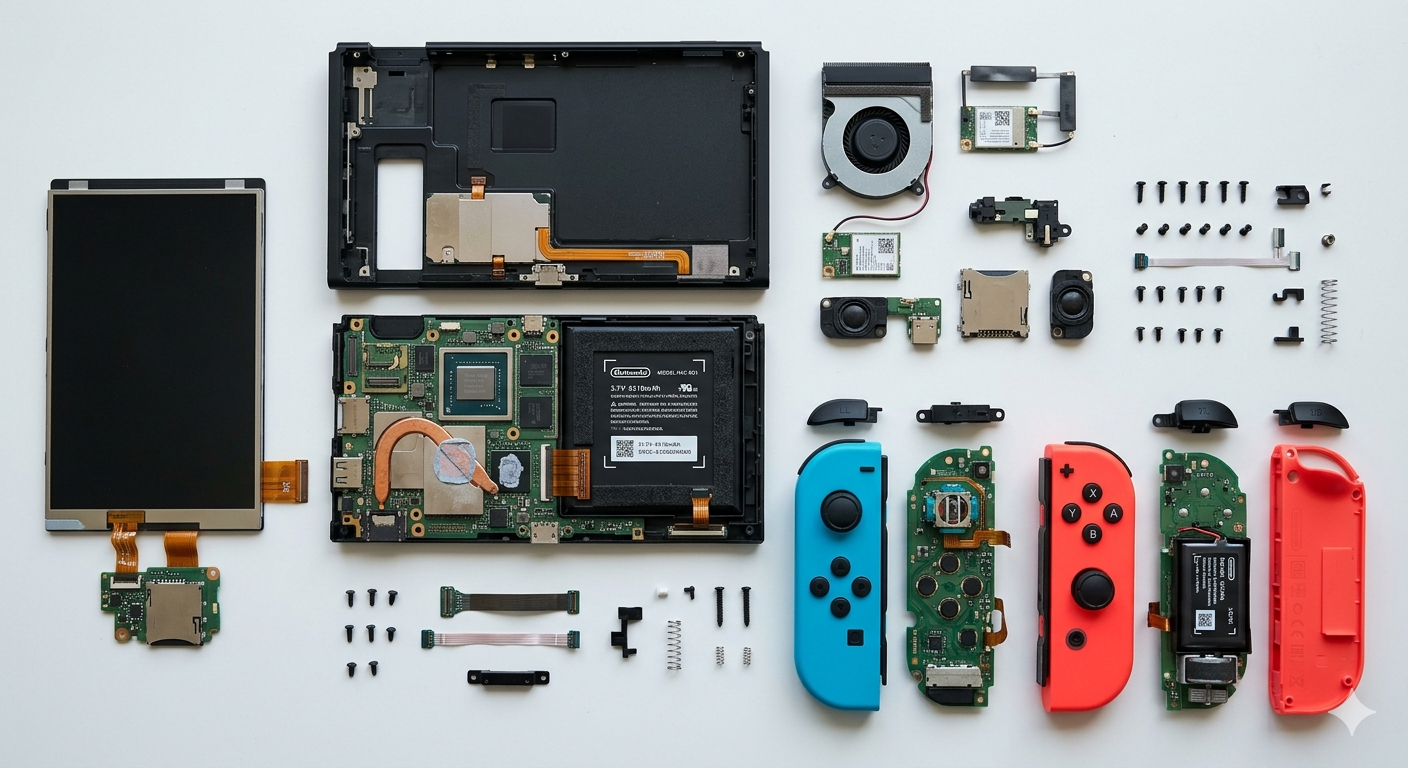
Nintendo's Switch 2 scored 3/10 for repairability. Now it's being redesigned for EU compliance. What this means for manufacturers.

Stripe charges per transaction. Intercom charges per resolution. What should a post-purchase platform charge per? The answer reshapes the economics.
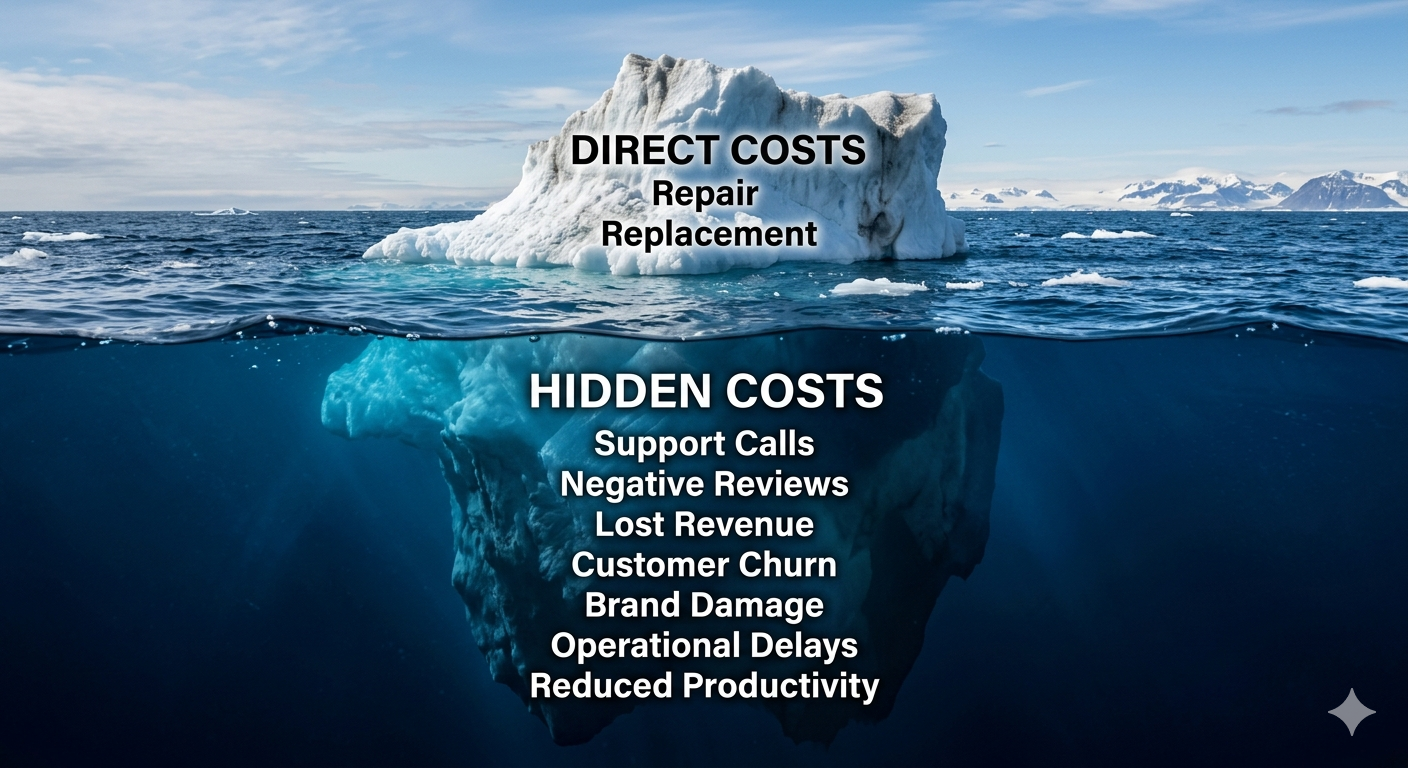
Every failed warranty claim costs more than the claim itself. Repeat calls, negative reviews, lost aftermarket revenue, and a customer gone forever.

Paper cards, web forms, app downloads — every registration method fails for the same reason: too much friction, not enough value. Here's what works instead.

Most brands have no plan once warranty ends. That's when spare parts, loyalty, and repeat purchases should start — not stop.
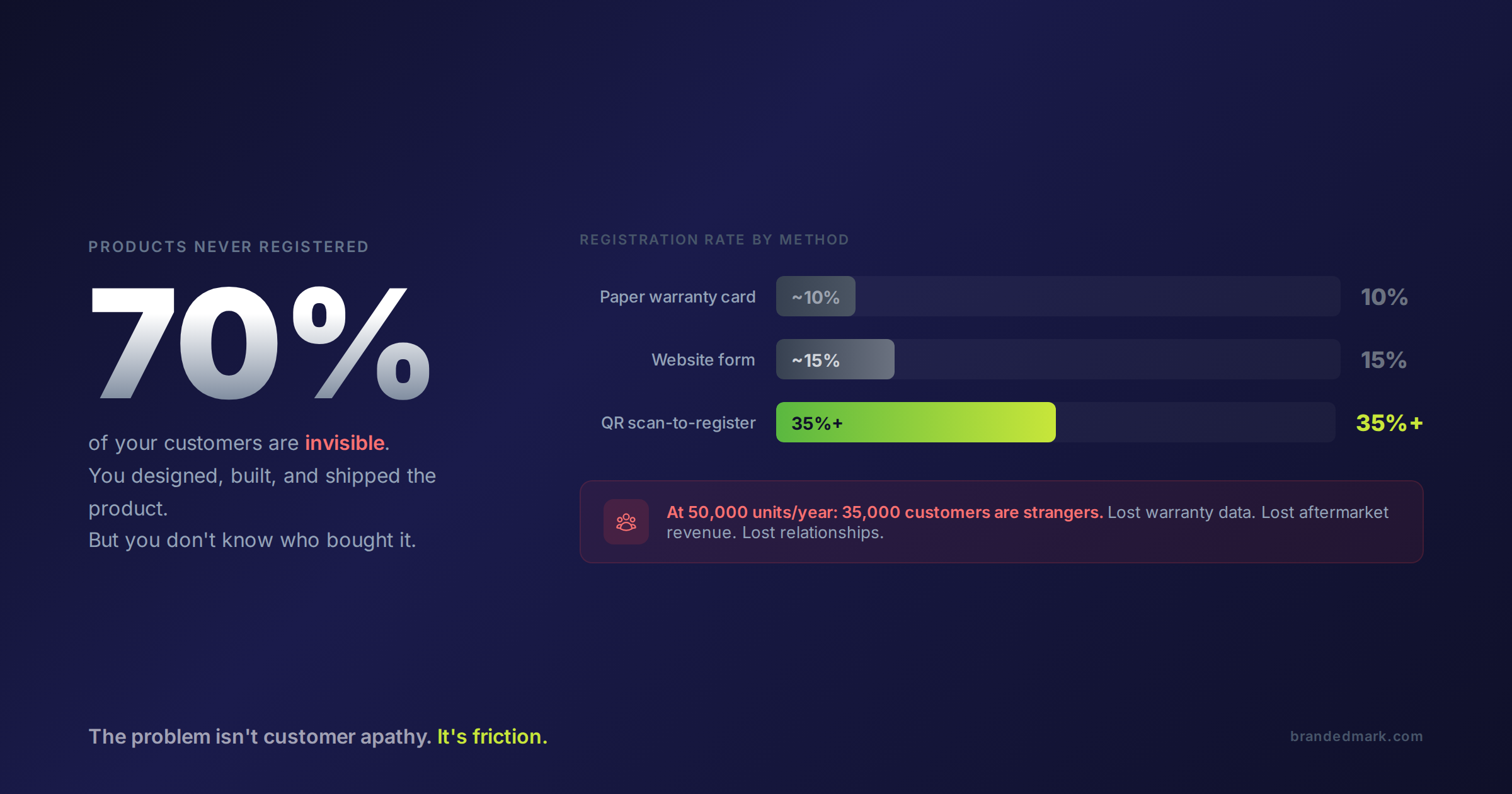
Paper cards get 10%. Web forms get 15%. The result: lost customers, warranty fraud, and aftermarket revenue leaking to Amazon.
A post-purchase operating system gives every product identity, memory, and agency — registration, support, warranty, and ownership transfer from one QR scan.

5 platforms for EU textile DPP compliance (2027). Compared on material disclosure, care labels, resale, ownership transfer, and pricing for apparel brands.

Paper cards are forgeable. Emails are forwardable. Passkey-bound ownership is cryptographically unforgeable — how it transforms warranty, resale, and recalls.

EU DPP Registry opens July 19, 2026. The 90-day battery checklist: mandatory data fields, QR format, registry submission steps, and non-compliance penalties.

Most manufacturers handle repairs through phone queues and PDFs. Connected service cuts resolution time, reduces costs, and turns repair into a retention event.
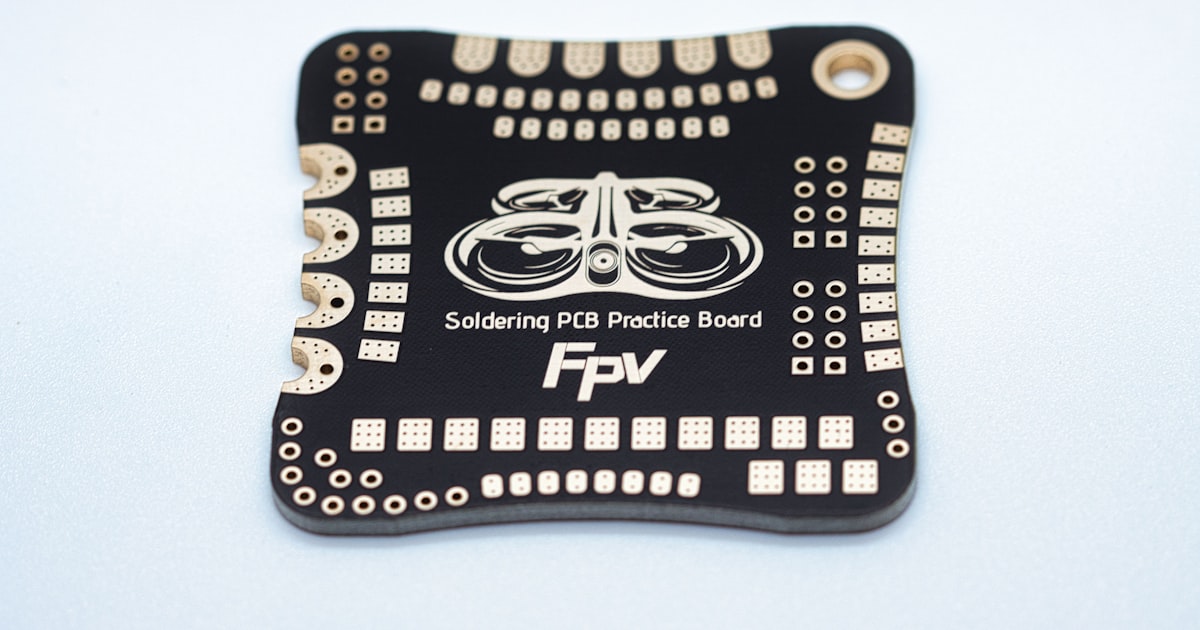
Right-to-repair laws tell manufacturers what to provide. QR codes deliver it — manuals, spare parts, certified repairers, and repair history on demand.

The EU's ESPR requires Digital Product Passports for virtually every physical product. Timelines, DPP data requirements, and how to prepare.

QR platforms fail, pivot, get acquired. How BrandedMark guarantees your product data survives — with real examples.

Generic AI gives plausible answers. Product-aware AI gives correct ones. The difference matters when a customer has a specific unit with a specific fault.

Generic AI looks the same as product-grounded AI on the surface. The difference is invisible — until a customer asks a specific question.

EU DPP requires sustainability data on every product. Brands that make it consumer-facing turn regulation into competitive advantage and premium pricing.

EU Farm to Fork is driving food digital product passports. What compliance requires, what GS1 Sunrise means, and how to turn traceability into a brand asset.
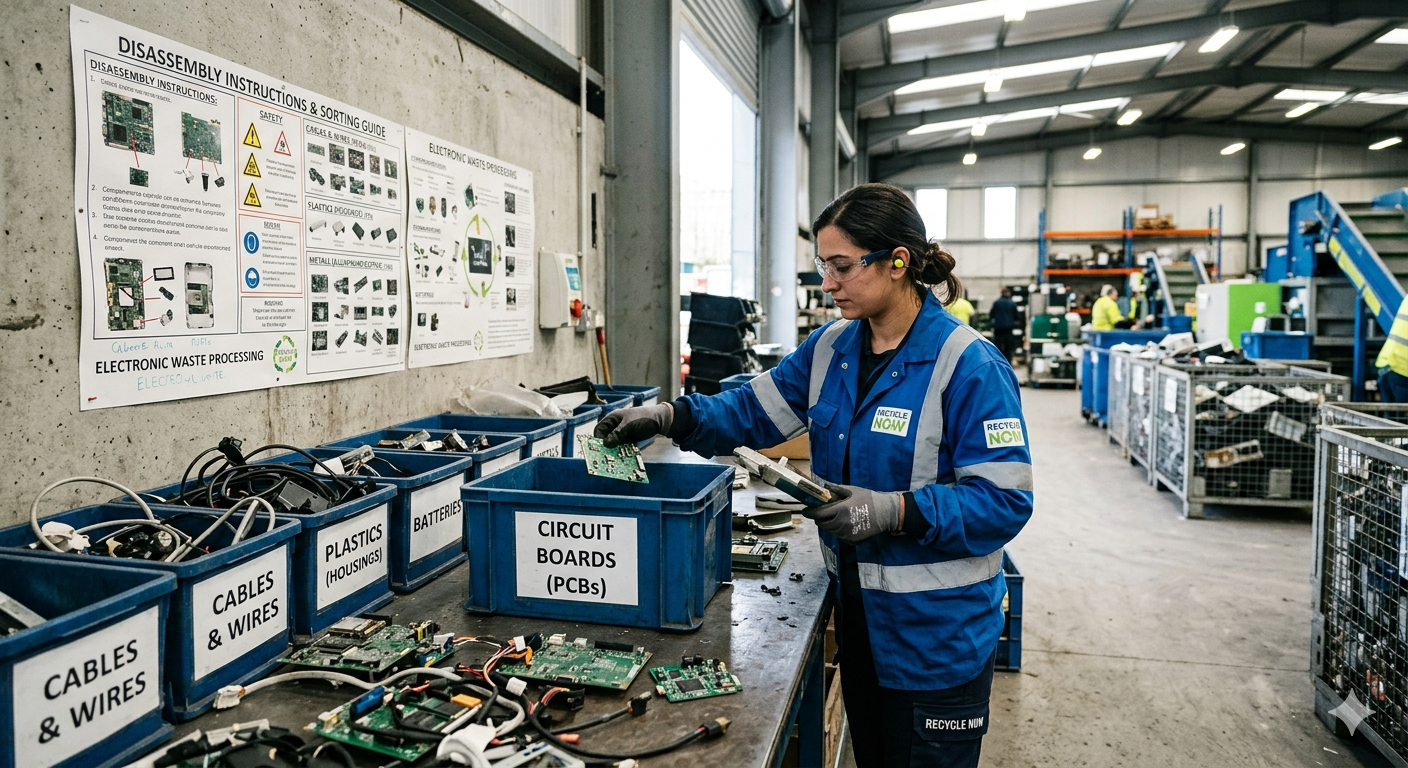
ESPR mandates end-of-life data in every Digital Product Passport. Here's how manufacturers turn disposal into a material recovery and brand opportunity.

DPP mandates per-product carbon data under ISO 14067 and PEF — not company averages. Here's how to calculate and surface product-level carbon footprints.
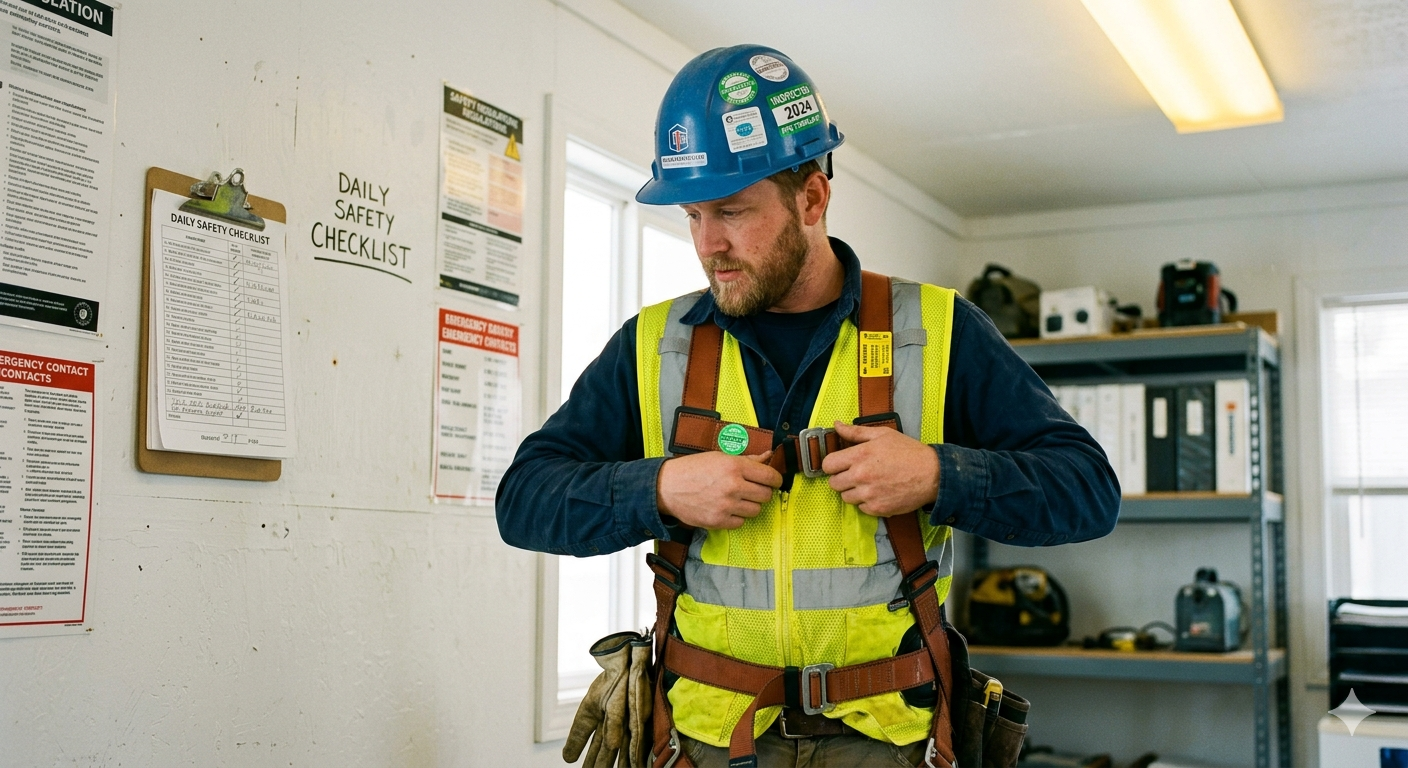
UK PPE manufacturers face UKCA, post-market surveillance, and EU DPP rules. Here's how digital product identity turns compliance into a competitive edge.
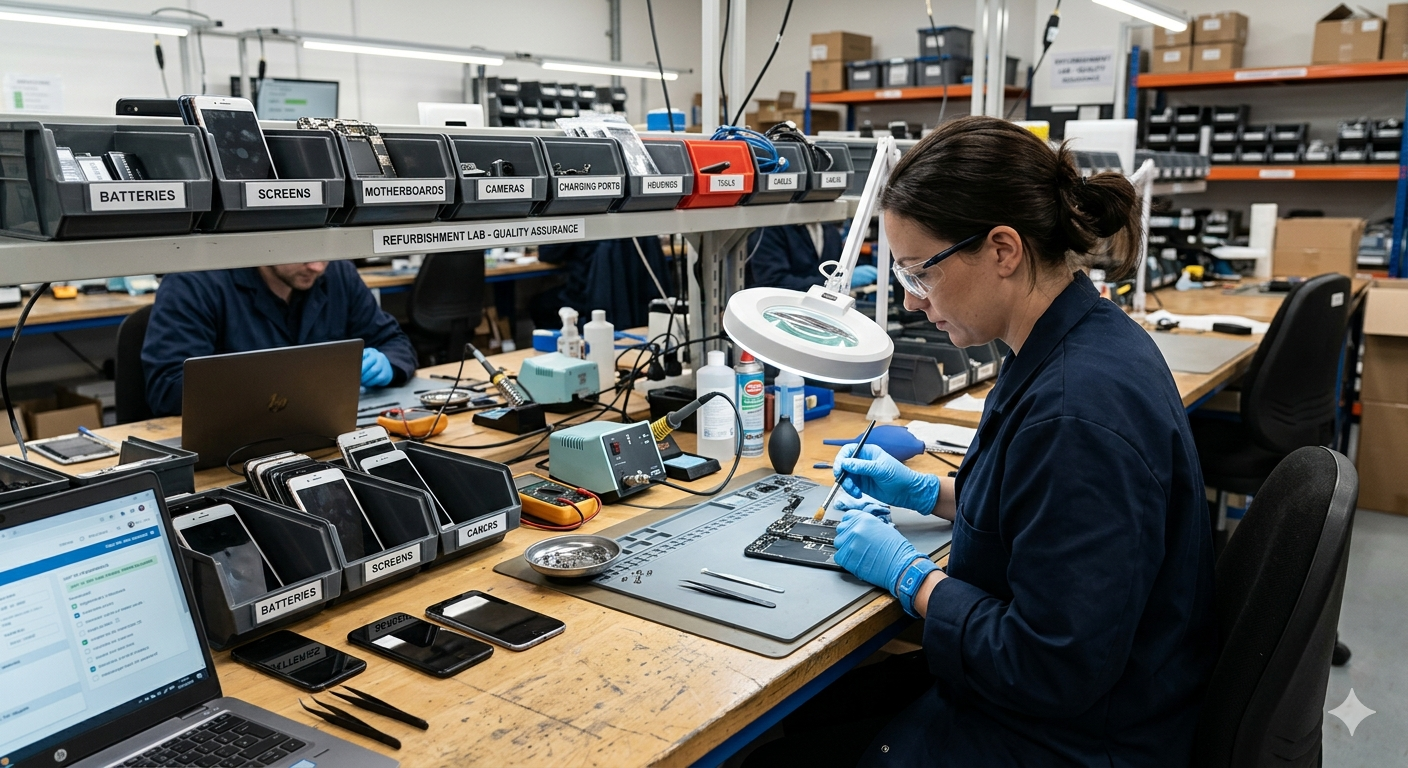
Circular economy is more than recycling. Serialised product identity unlocks repair access, ownership transfer, end-of-life data, and mandatory DPP compliance.
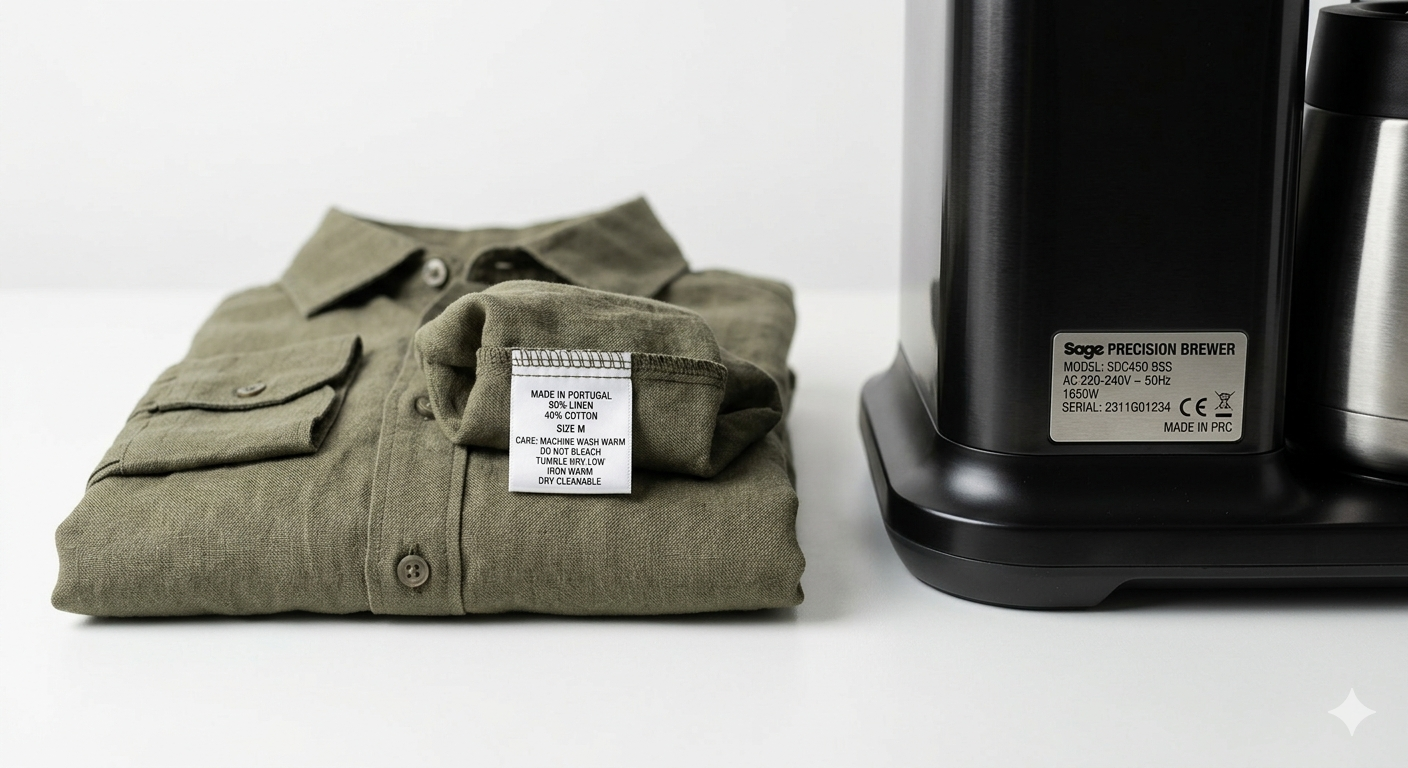
Fashion moved first on Digital Product Passports. Durable goods are next — but the playbook doesn't transfer cleanly. Here's what to adopt and what to rethink.

Medical device manufacturers already manage UDI. DPP extends the same infrastructure with sustainability data. Here's where they overlap, where DPP goes further, and why you have a head start.
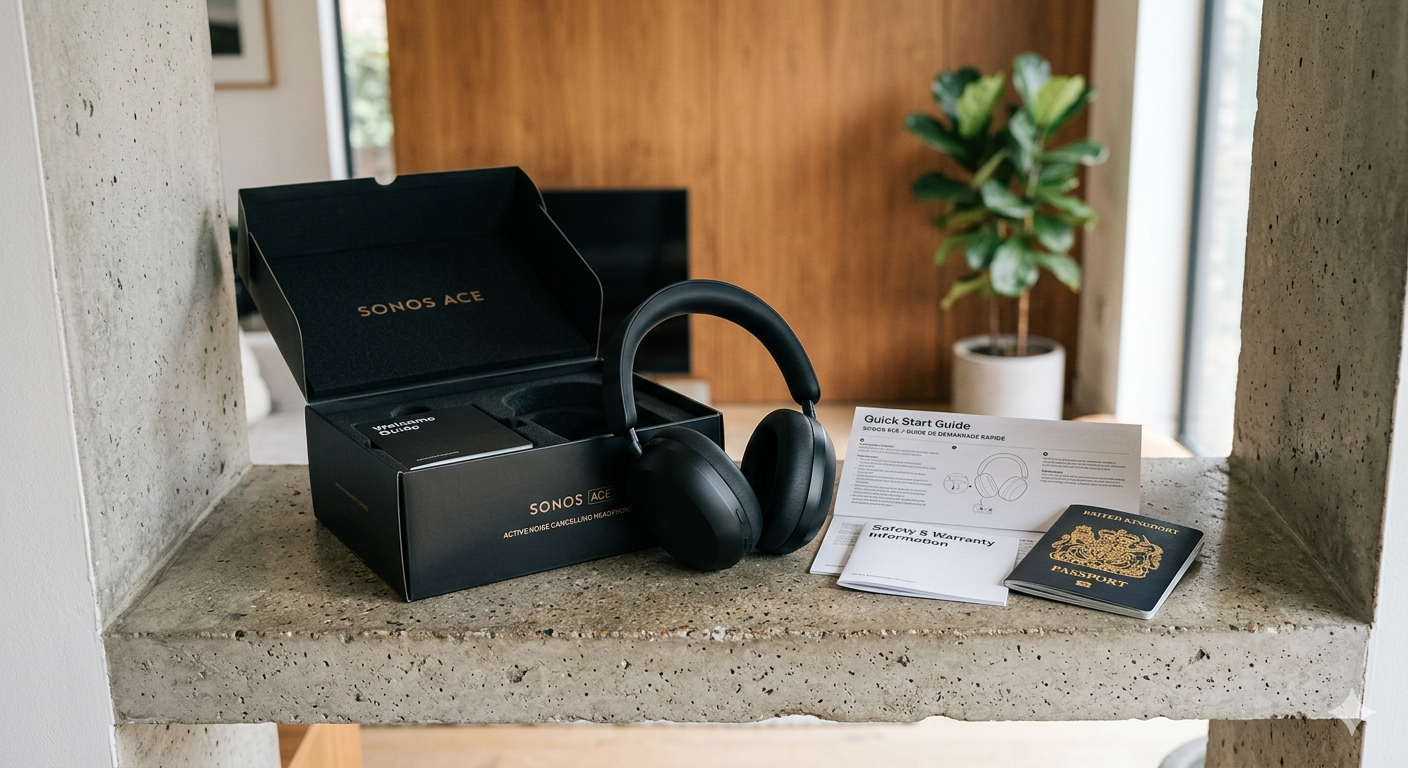
DPP compliance is mandatory. But treating it as a regulatory checkbox wastes the infrastructure investment. Digital identity unlocks warranty, support, and parts.
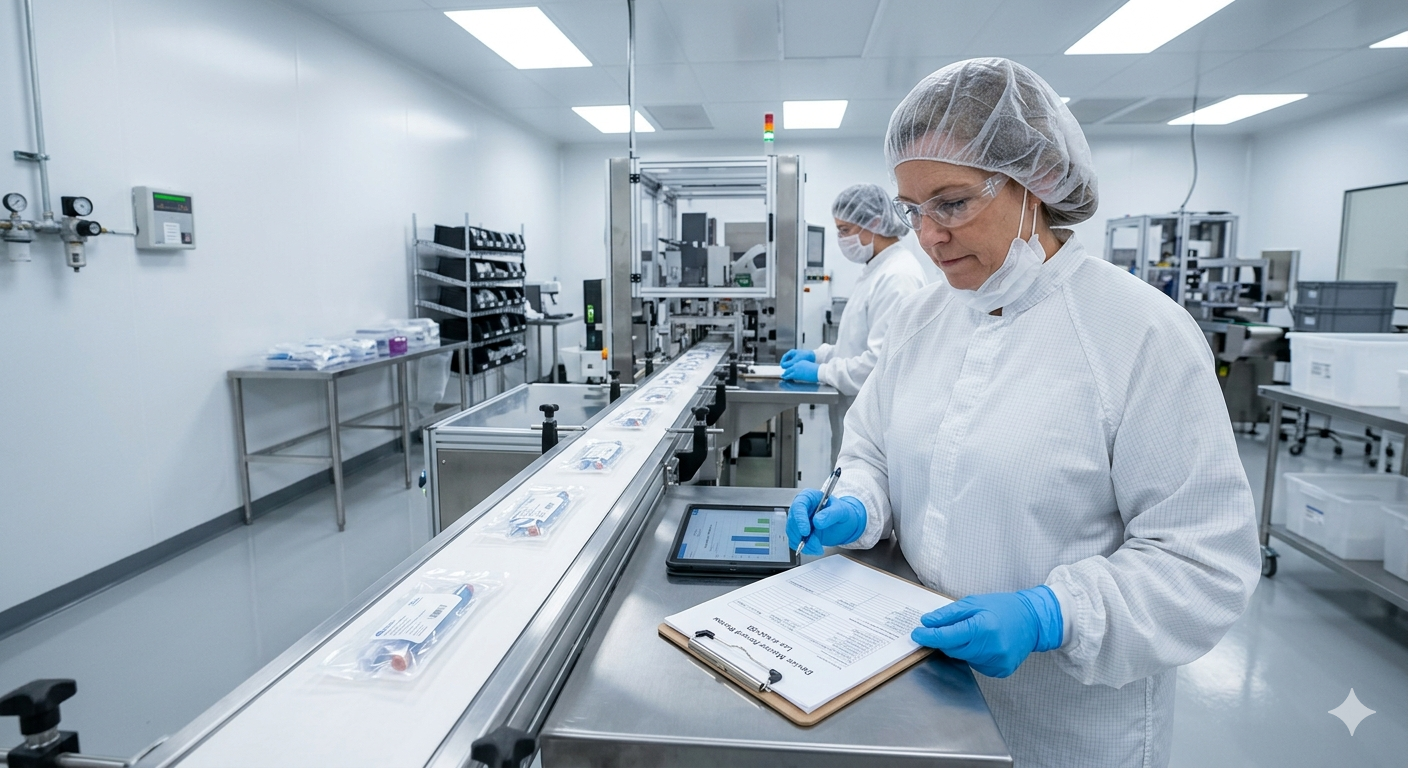
UDI serialises every device. The Digital Product Passport adds materials, energy, and end-of-life data on top. What UK medical device makers need to know.

Furniture DPP arrives 2028. Material composition, repairability scores, and 30-year data persistence. Start your 12-month prep plan now.

UK Building Safety Act and EU ESPR both demand traceable construction products. What insulation, cladding, and structural steel manufacturers need to do now.

Every DPP guide is written for enterprises with six-figure budgets. This is the practical playbook for mid-market brands with 1-5 product lines.
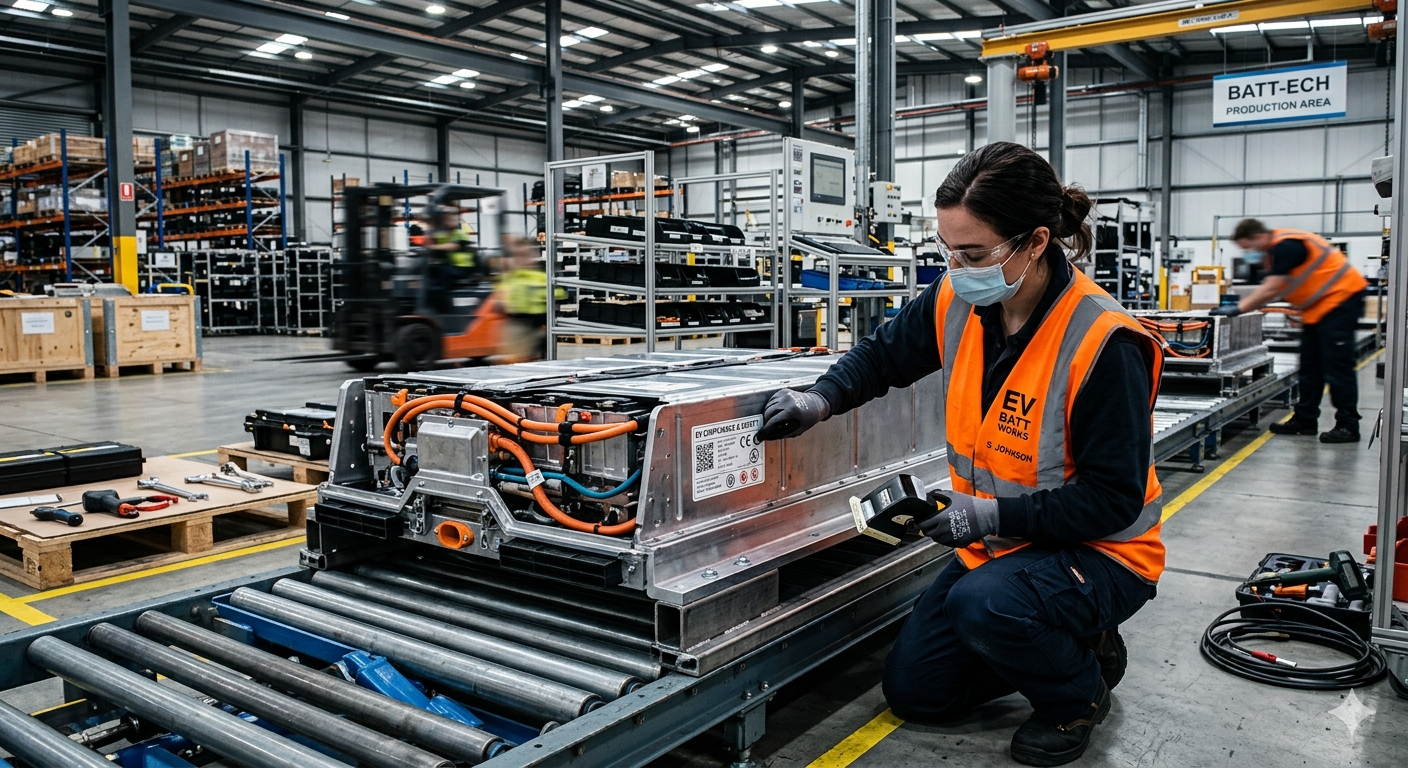
The EU Battery Regulation DPP is now enforced. Market surveillance is checking compliance at borders. If you make or import batteries into the EU, here's what's required and what happens if you're not compliant.
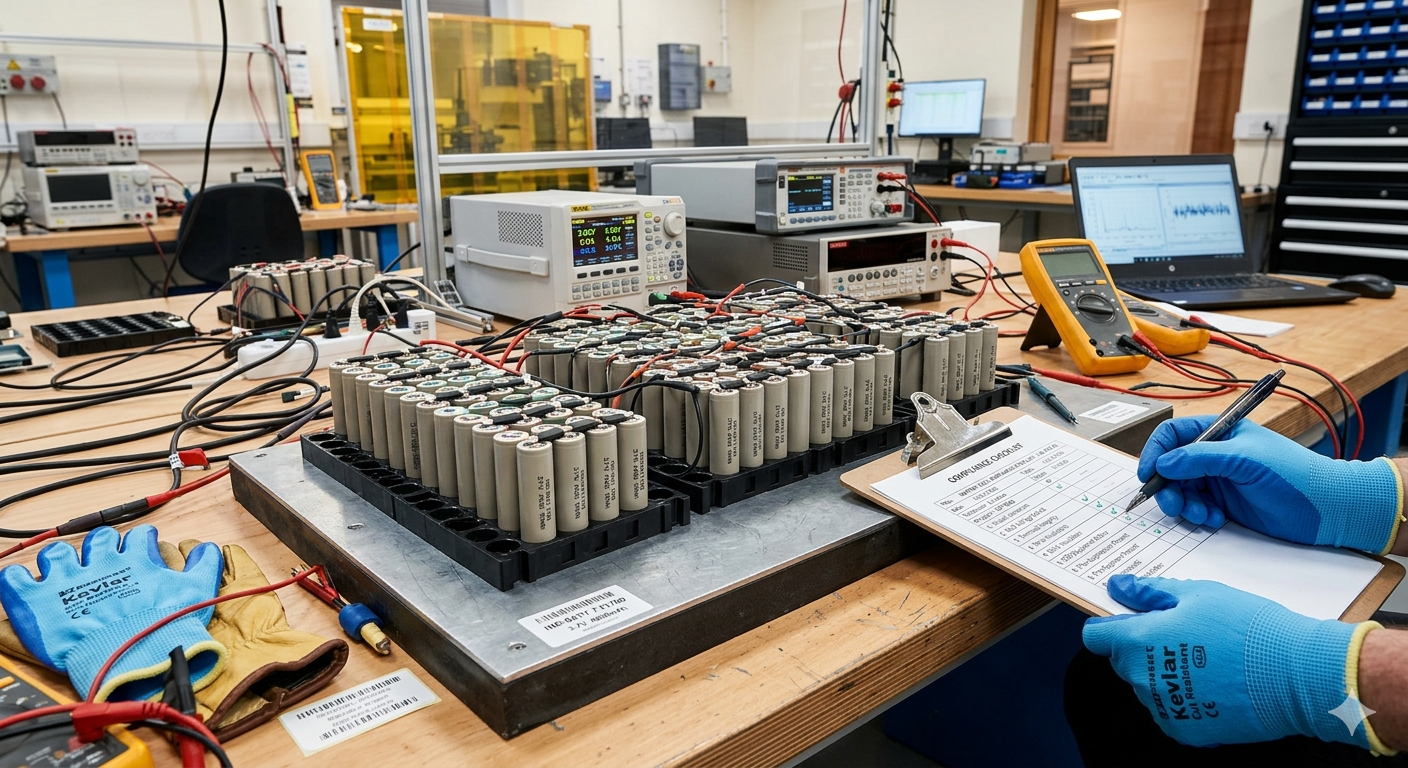
Battery DPP requires 100+ data attributes, a unique identifier per unit, and EU registry integration. The definitive technical guide for manufacturers.
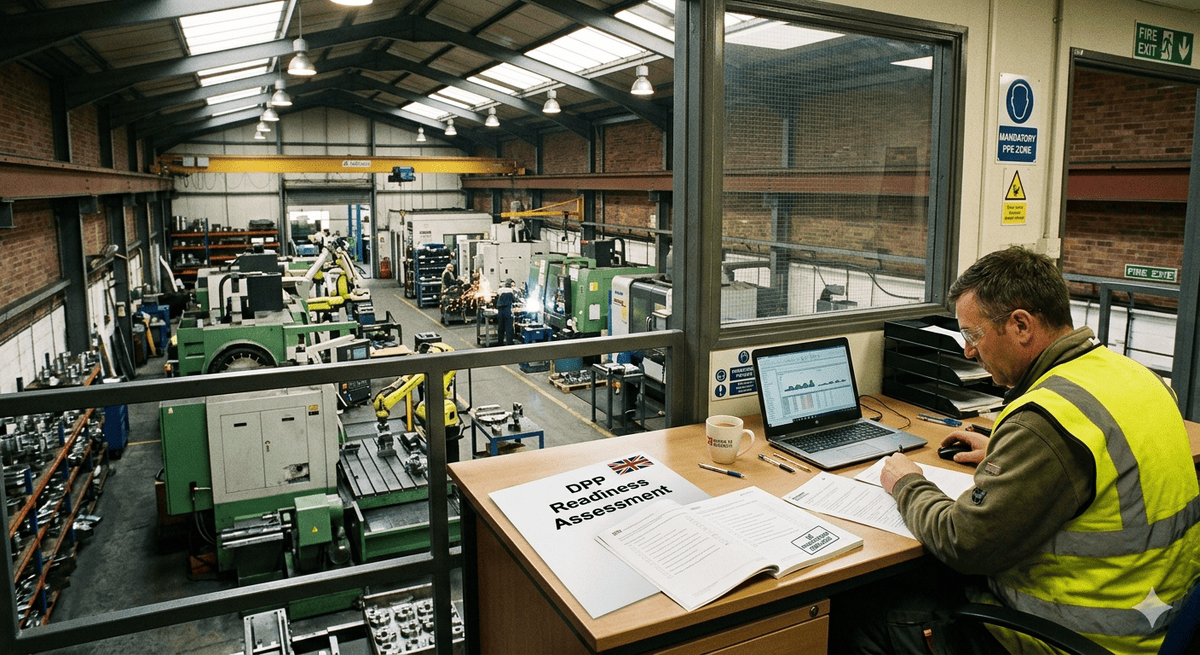
A GS1 study found only 16% of UK businesses feel fully prepared for Digital Product Passport requirements. 79% fear losing EU market access. Here's where you likely stand — and what to do about it.

Warranty registration data is a strategic intelligence asset most manufacturers never use. Here is what it contains and how to act on it.

Most manufacturers treat warranty registration as a cost. The ones winning aftermarket revenue treat it as customer acquisition. Here is the financial model.

Warranty claims are broken — missing receipts, hold times, weeks of waiting. Digital product identity fixes it: scan once, auto-route, resolve in days.

Manual warranty claims cost $25-40 each and take 7-14 days. Automated claims cost $3-8 and resolve in minutes. Here's the architecture that makes it possible.

Most warranty dashboards show raw counts. World-class analytics reveals quality issues, fraud, and customer retention signals.

What UK manufacturers must tell customers about warranties — from Consumer Rights Act 2015 to Trading Standards enforcement and cooling-off periods.

UK law gives consumers up to 6 years to claim for faulty goods. How statutory rights, manufacturer warranties, and digital registration work together.

Customers searching for spare parts face a broken journey. Here's what that costs manufacturers in revenue, support calls, and premature product disposal.

UK product returns cost over GBP 7 billion a year, with 10–15% fraudulent or abusive. Digital product identity reduces fraud and surfaces the quality signals hiding in your returns data.

For every $100 in spare parts sold for your products on Amazon, you capture $0. Here's how to reclaim aftermarket revenue with a direct product channel.
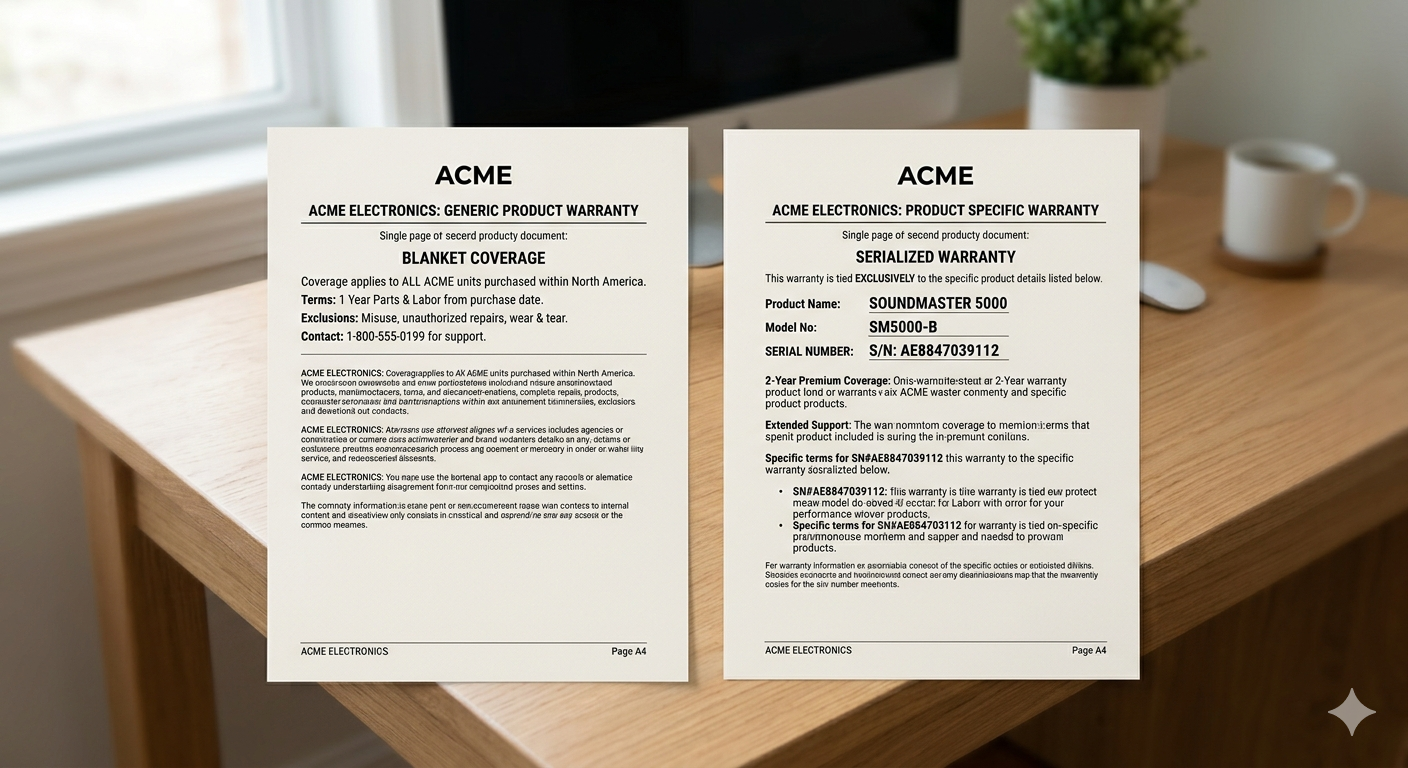
Most warranty management is SKU-level. Serialized warranty tracks each individual unit — enabling fraud detection, precise recalls, ownership transfer, and quality analytics.
UK and EU right-to-repair law is tightening. Here's what manufacturers must do by 2026 and how a BrandedMark scan page becomes your repair compliance portal.

Manufacturers see right-to-repair as a compliance cost. The smart ones see spare parts margins, reduced returns, and brand loyalty. Here's how to capitalise.
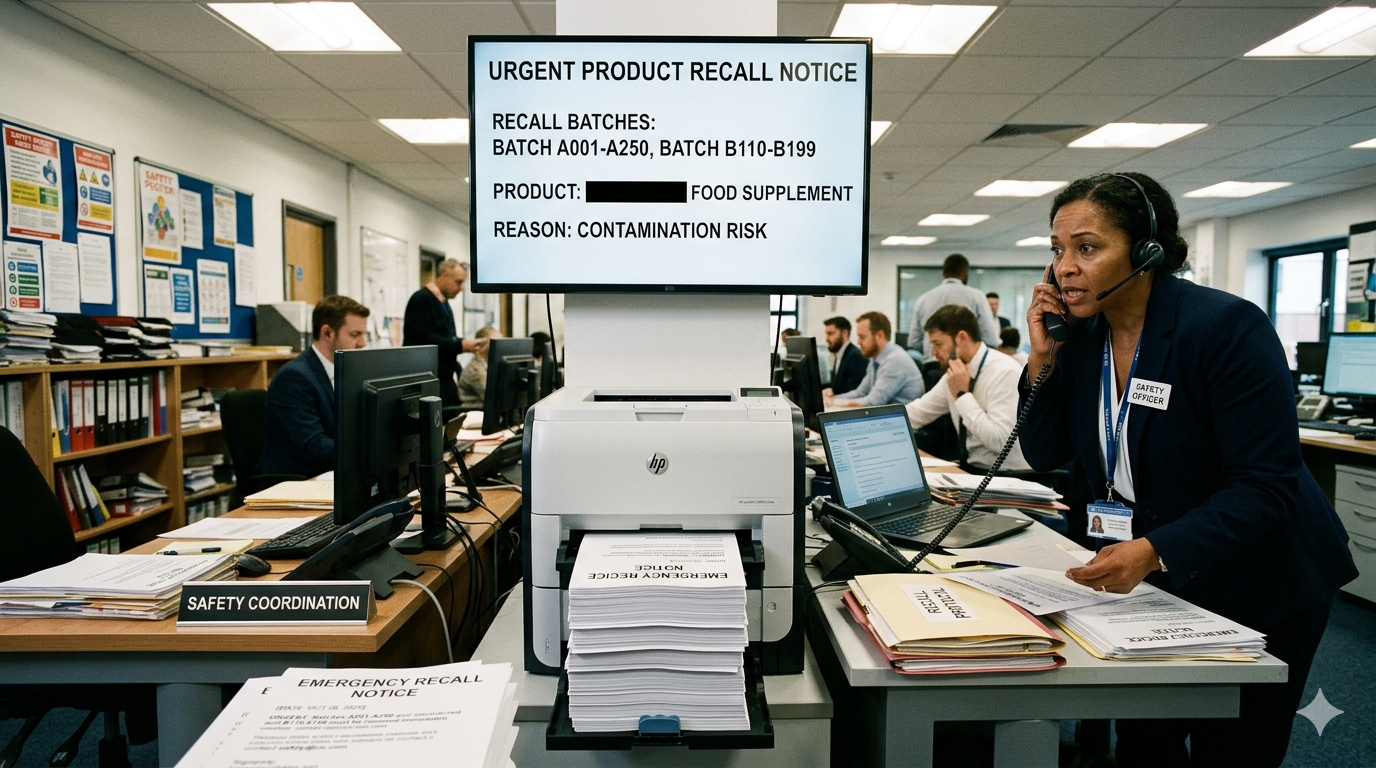
Traditional recalls reach 10-30% of affected owners. Serialized product identity with direct customer contact achieves 70-90%. Here's how connected products transform recall management.

QR code product registration achieves 45-65% registration rates vs. 5-10% for paper cards. Complete guide to implementation, benefits, and ROI.
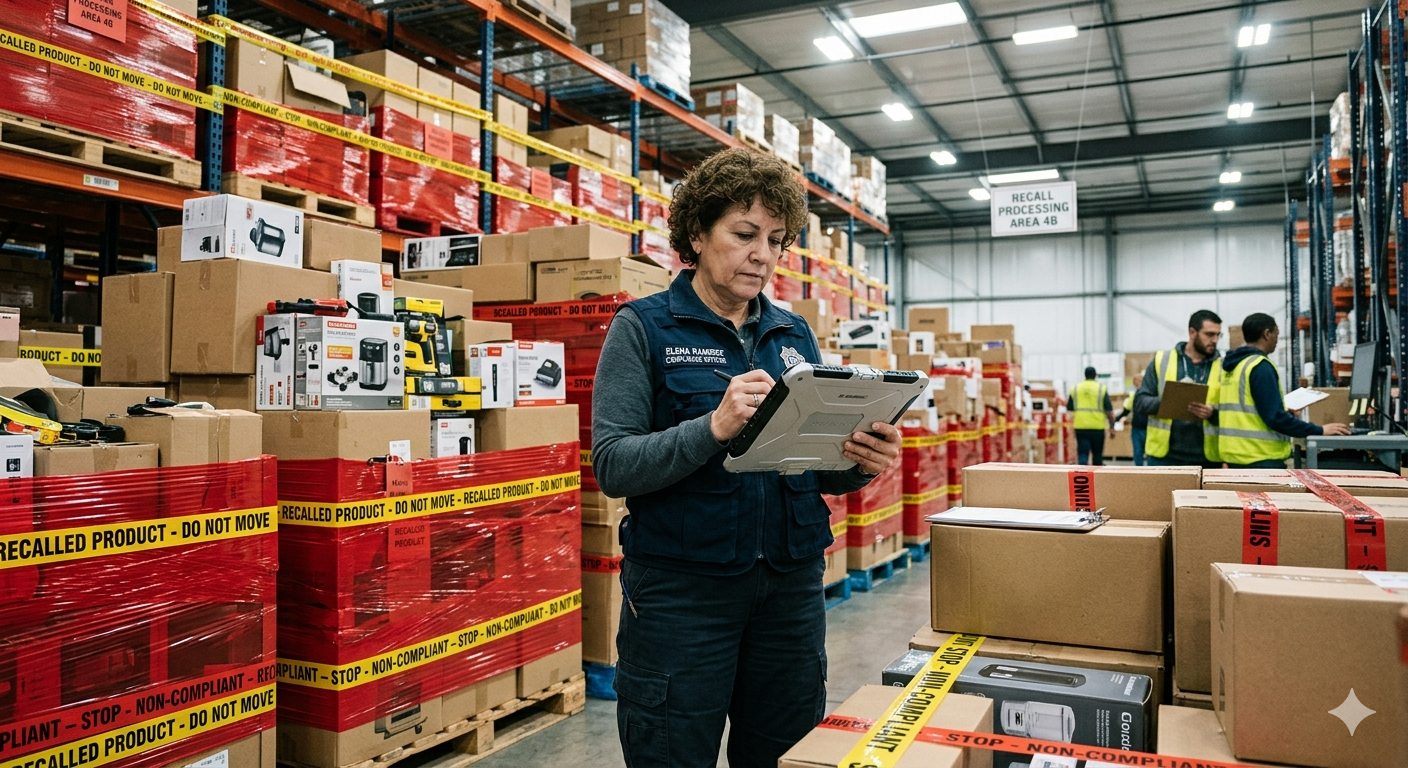
Recall completion rates average 15-30%. Digital product identity connects manufacturers to owners directly, enabling fast, trackable product recall management.
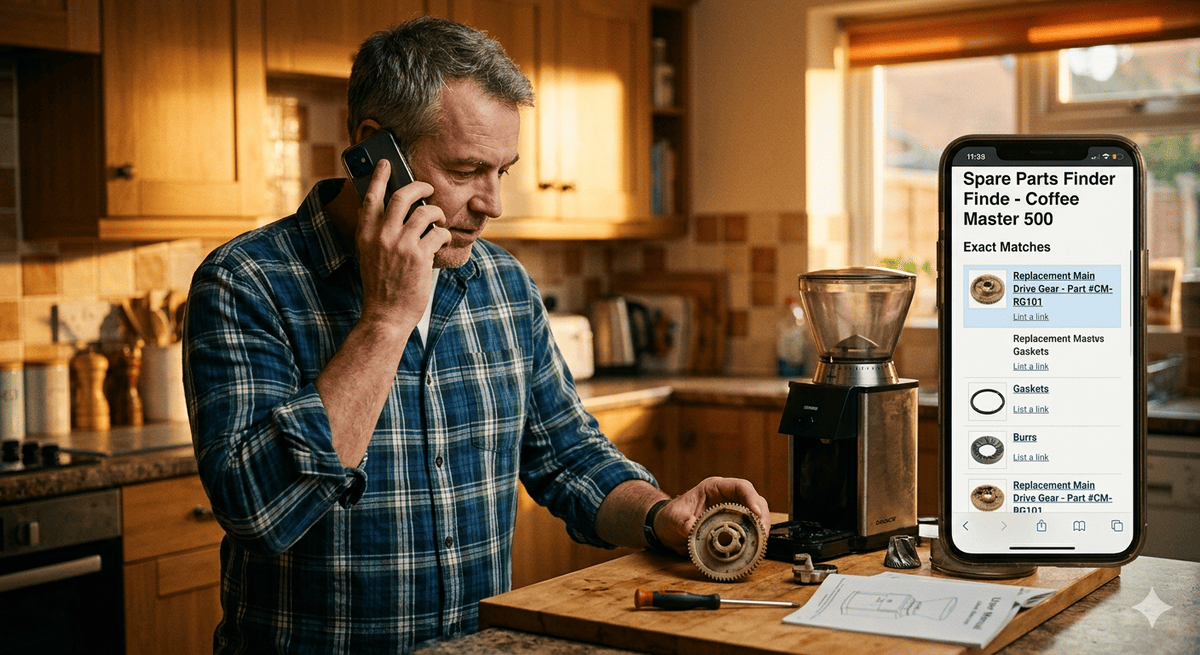
Aftermarket parts are 3-5x more profitable than the initial sale, yet most manufacturers make them impossible to find. Turn spare parts into a loyalty engine.

UK manufacturers lose GBP 2-5 billion annually to warranty fraud. Serial-level verification cuts fraudulent claims by 40-60% — here's how it works.

Most support contacts are for issues the product itself could resolve. Here's how to build a self-service layer that handles them before customers call.

HVAC, commercial equipment, and smart home products need professional installation. A product scan gives installers everything they need — no manuals, no phone calls.

A worked example showing how digital warranty infrastructure pays for itself. Five value drivers with sourced benchmarks your CFO can take to the board.

The best moment to sell an accessory is when the customer is using the product. The best moment for warranty is after support. Connected products enable both.

Warranty fraud costs manufacturers 3–10% of budgets. AI pattern detection catches duplicates, geographic anomalies, and timing patterns manual review misses.

Every product shipped through retail creates a customer you never meet. Connected products change that — if your platform is built to capture the relationship.

Most manufacturer support pages are generic, disconnected from the specific product a customer owns — and that friction is costing you customers. Here's what product-aware support looks like, and why it matters.
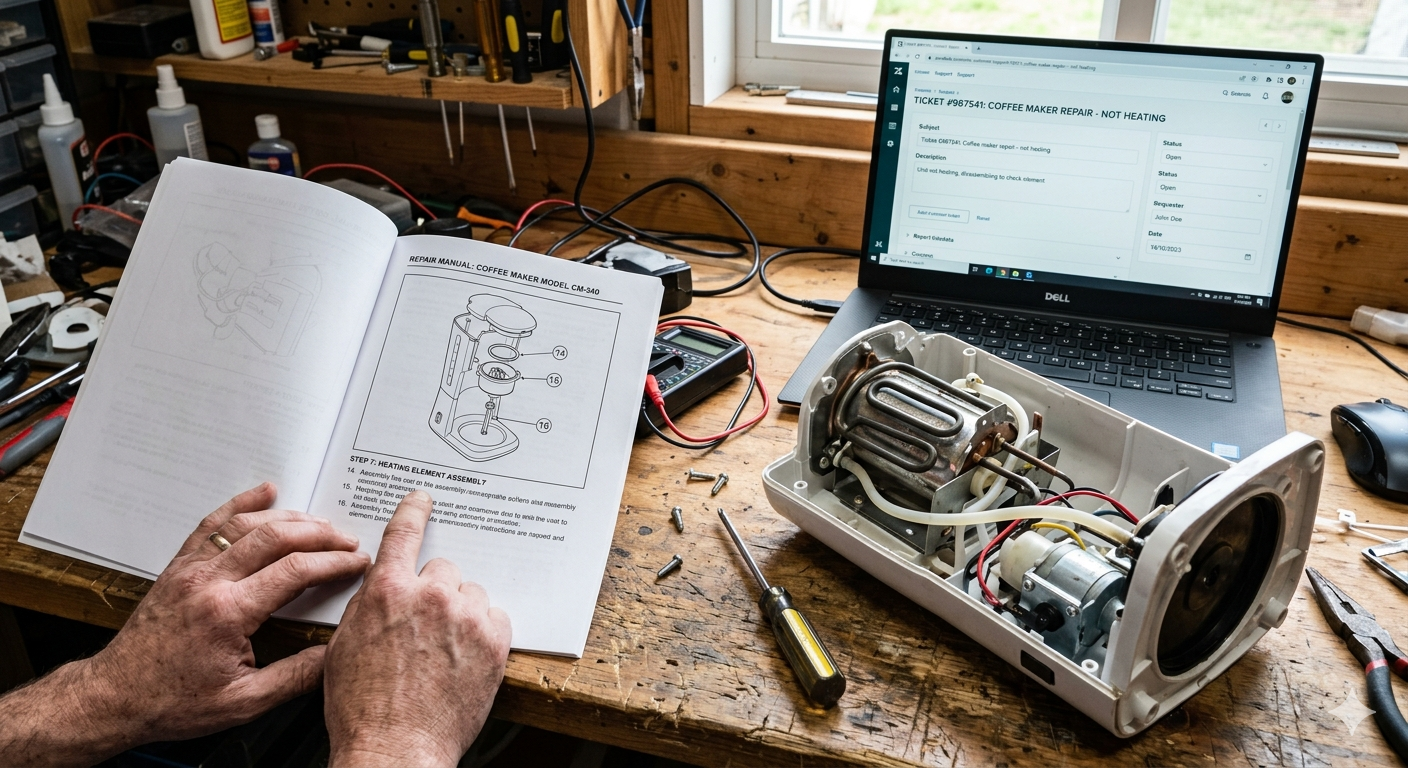
Generic chatbots resolve 30–40% of product queries. Product-trained AI agents resolve 65–80%. Here's the architectural difference — and the cost case for switching.

Printed manuals are frozen the moment they ship. Here's why manufacturers are replacing static PDFs with living digital manuals that update after the sale.
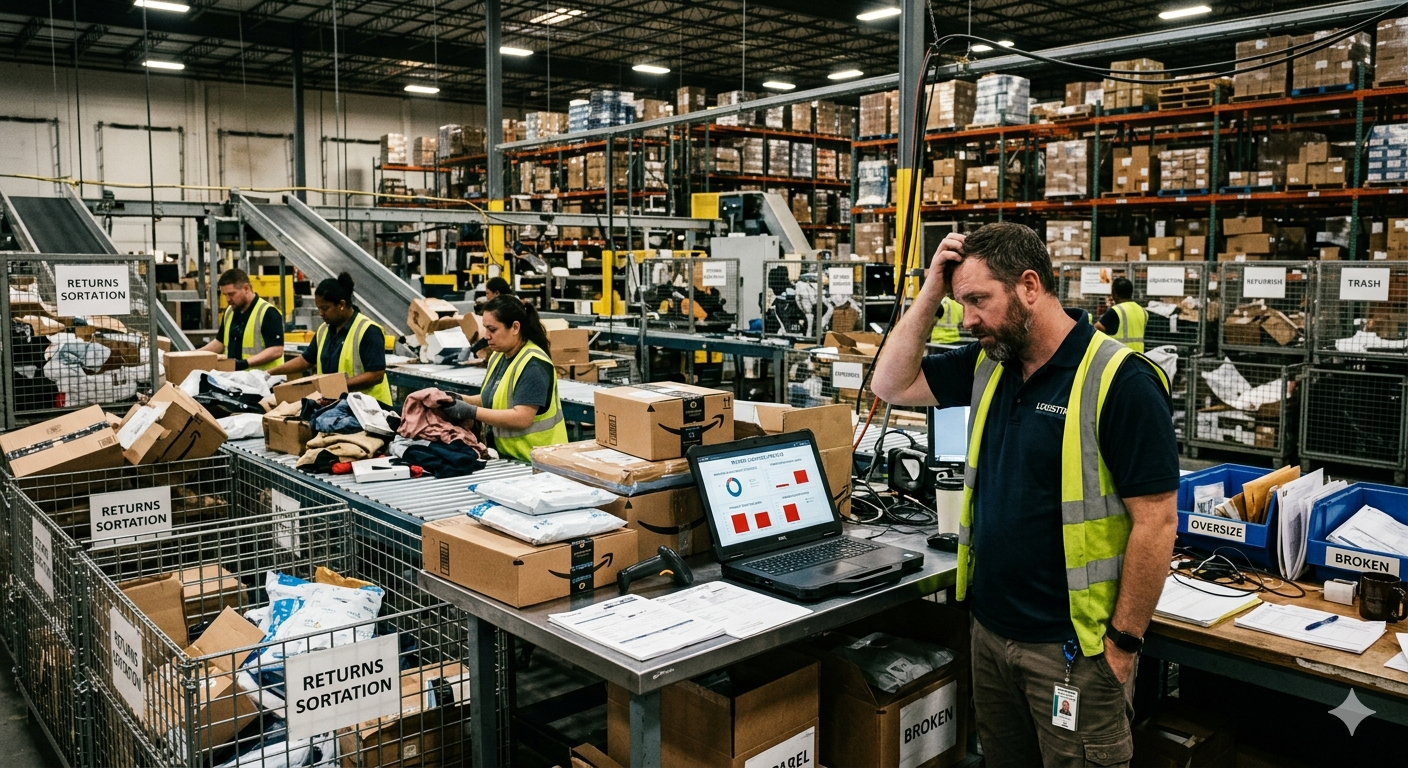
Returns platforms process returns efficiently. They cannot prevent them. The intervention that reduces return rates happens upstream, at unboxing and setup.
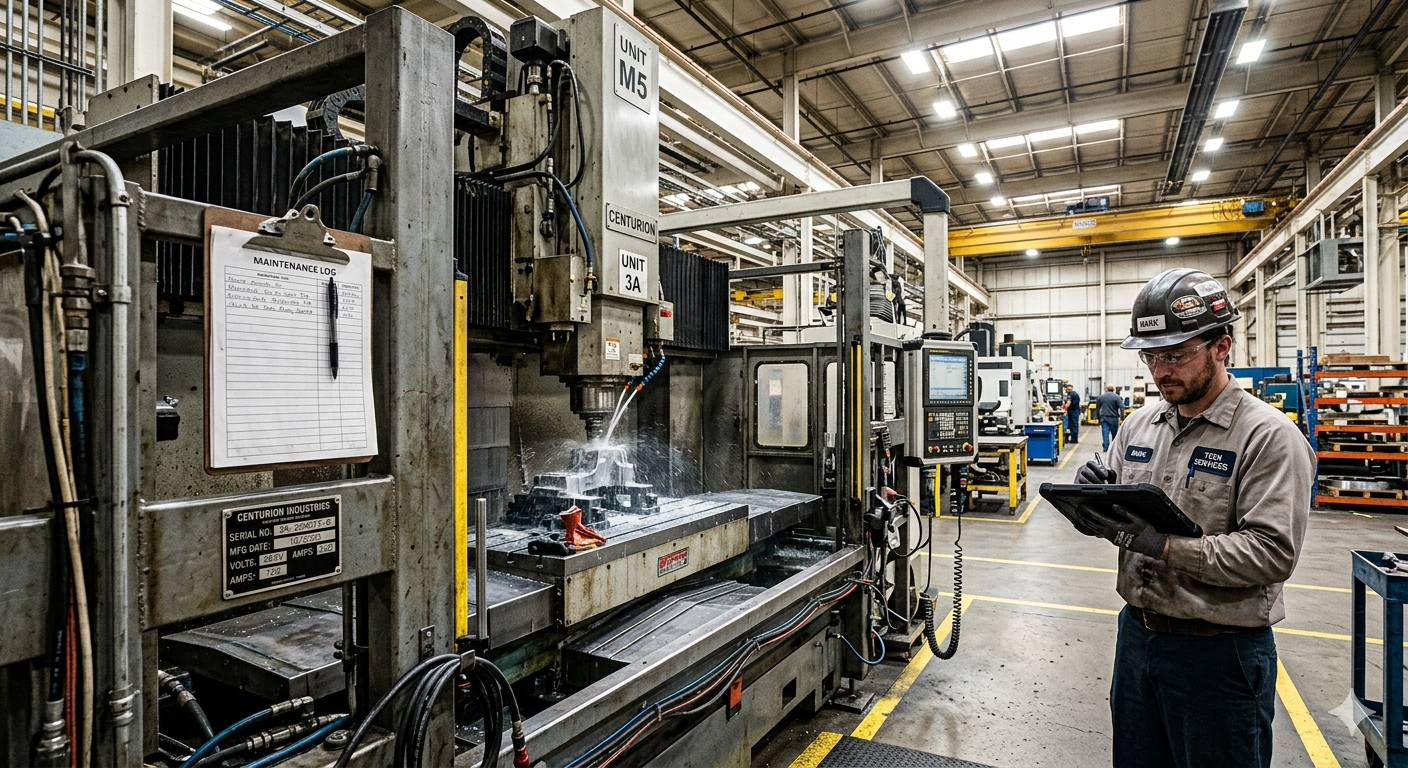
High-value safety-critical equipment ships without unit-level tracking. Here's why every exoskeleton, power tool, and PPE unit needs a digital identity layer.
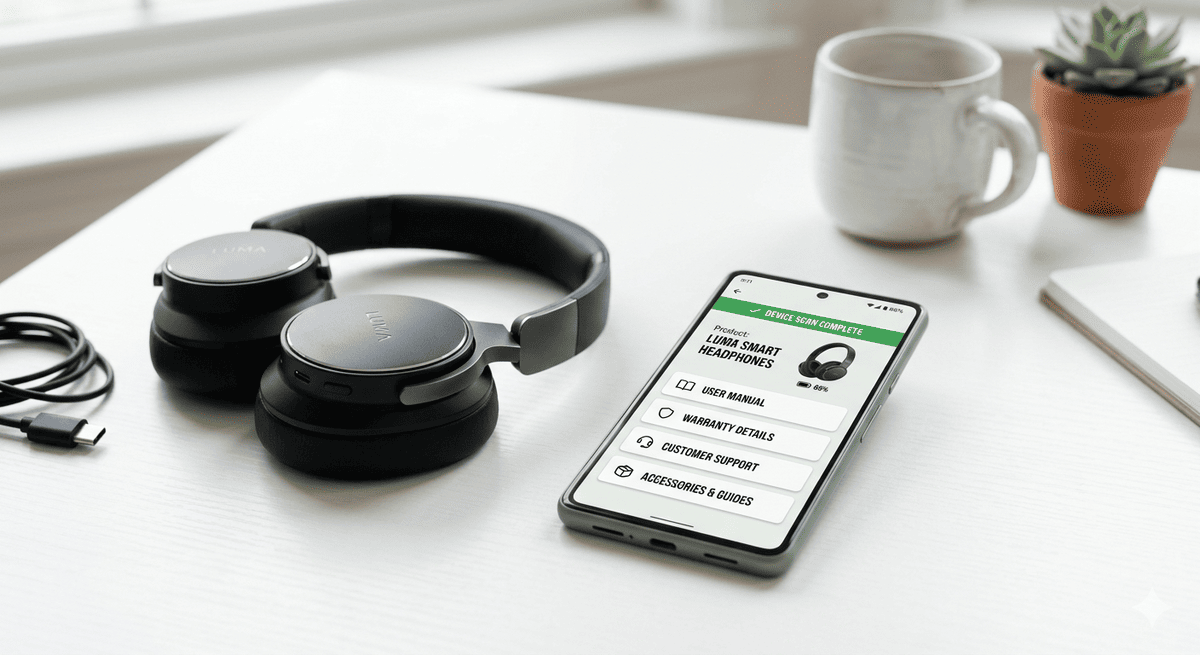
What to include on a product scan page: 5 essential elements, lifecycle-matched content, and a planning checklist for manufacturers.

Sustainability directors don't care about QR codes. They care about audit trails, board reporting, and regulatory fines. Here's how DPP speaks their language.

Your office closes at 6pm. Your product doesn't. What digital product identity means for always-on customer support — and what happens without it.

The unboxing moment is when customer engagement peaks. A QR code that leads to a branded setup experience converts 3-4x more registrations than a paper insert.

Scan rates at unboxing run 5–10x higher than any other touchpoint. Most manufacturers waste this peak-engagement moment with a paper manual and a warranty card.

Printed setup guides are inaccurate, ignored, and expensive. Here's how digital, QR-triggered setup experiences cut support calls and help customers succeed.

Customers expect Apple-level digital experiences from every product they buy. Most manufacturers still ship paper manuals. Here's the cost and how to close it.

The scan moment is the highest-trust point in the ownership lifecycle. Here is the 5-email sequence that turns a registration into a lasting relationship.
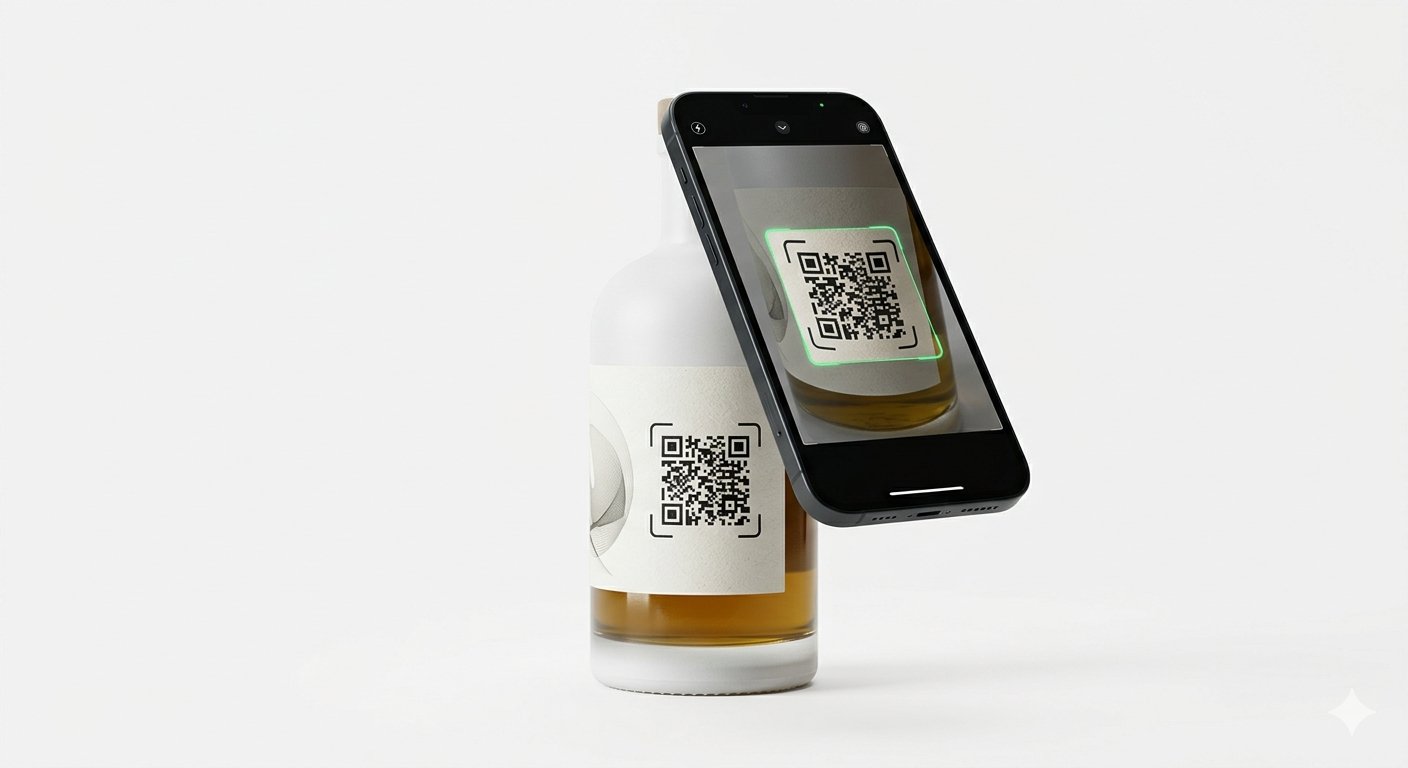
Most connected product investment ends at the retail shelf. The post-purchase period — where loyalty is built or destroyed — is almost entirely unserved.
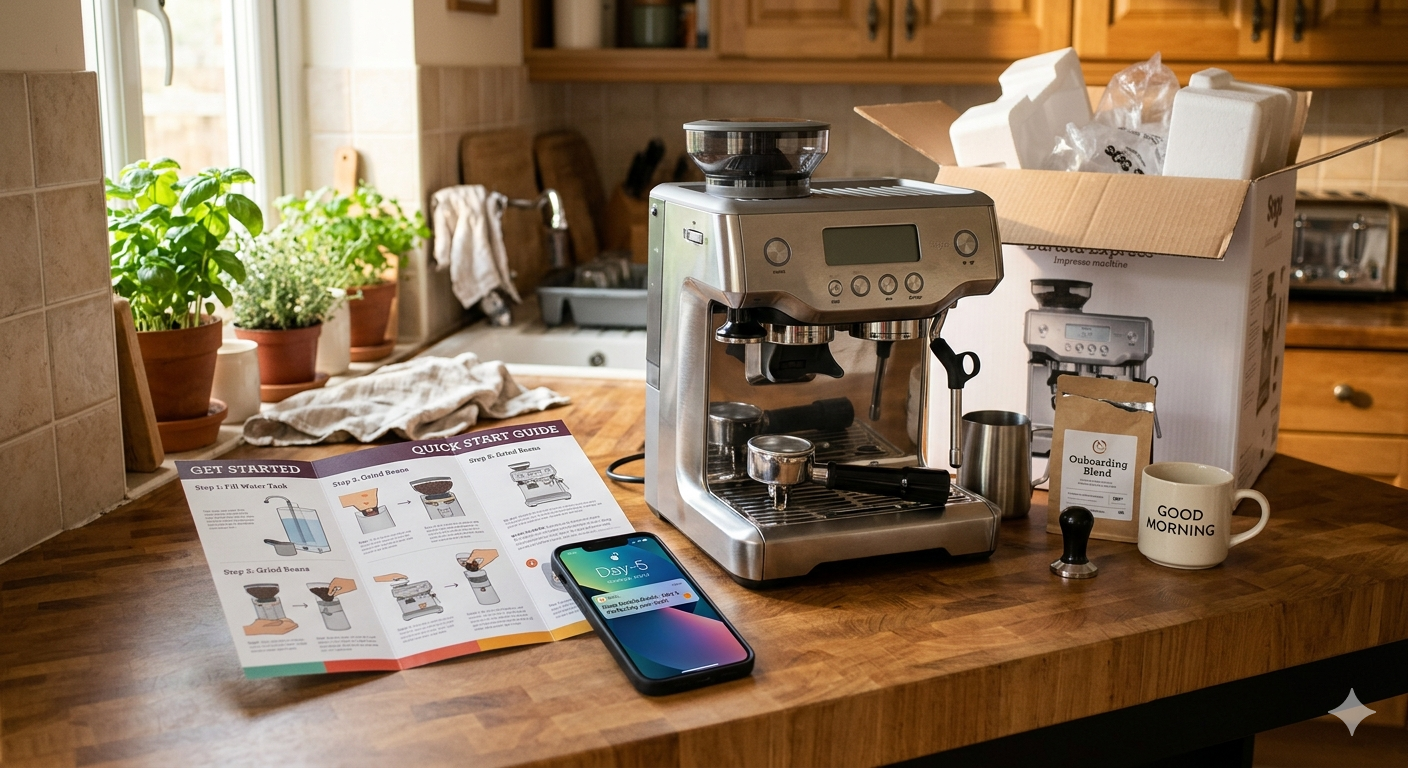
Most brands treat product registration as an endpoint. Here's why the first 30 days are your highest-value window — and the 5 touchpoints you're missing.

Most manufacturers don't know their per-ticket support cost. The gap between human-handled and self-service resolution is where margin hides.

Shopify has thousands of apps for getting customers to buy. Almost nothing for what happens after they open the box. Here's the missing layer.
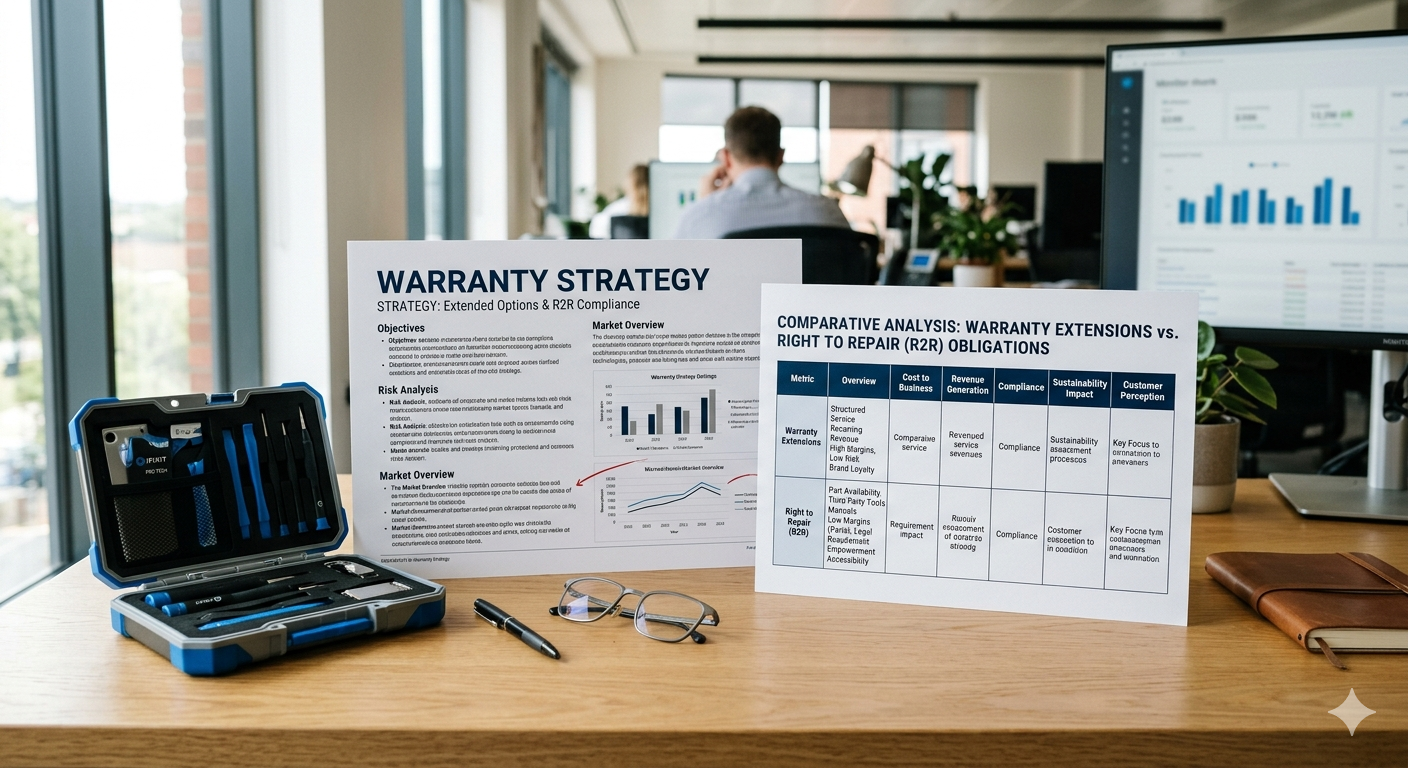
Right to Repair mandates spare parts for 7-10 years. Smart manufacturers are turning this compliance obligation into a direct aftermarket revenue channel.
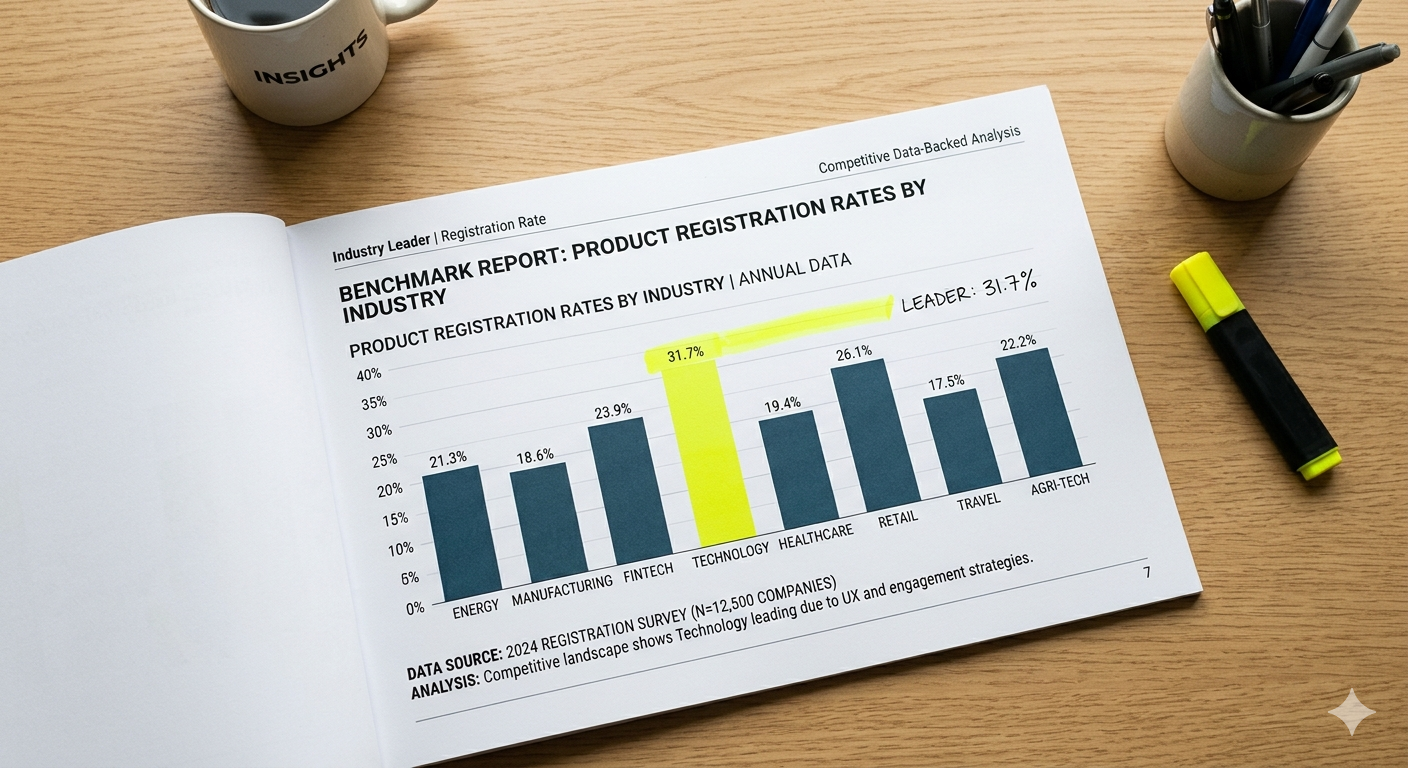
Most brands register fewer than 15% of buyers. See current benchmarks by product category — and the five levers that push rates above 60%.

Collecting customer data at product registration triggers GDPR obligations. Consent at scan, data minimisation, retention policies — here's how to stay compliant while building your customer database.

Paper cards capture under 5%. Web forms hit 15%. Scan-at-unboxing reaches 70%. Here are the benchmarks that matter — and how to double yours.

DTC subscriptions lose 40–60% of customers in six months. The fix isn't better email — it's the physical product turned into a connected touchpoint.
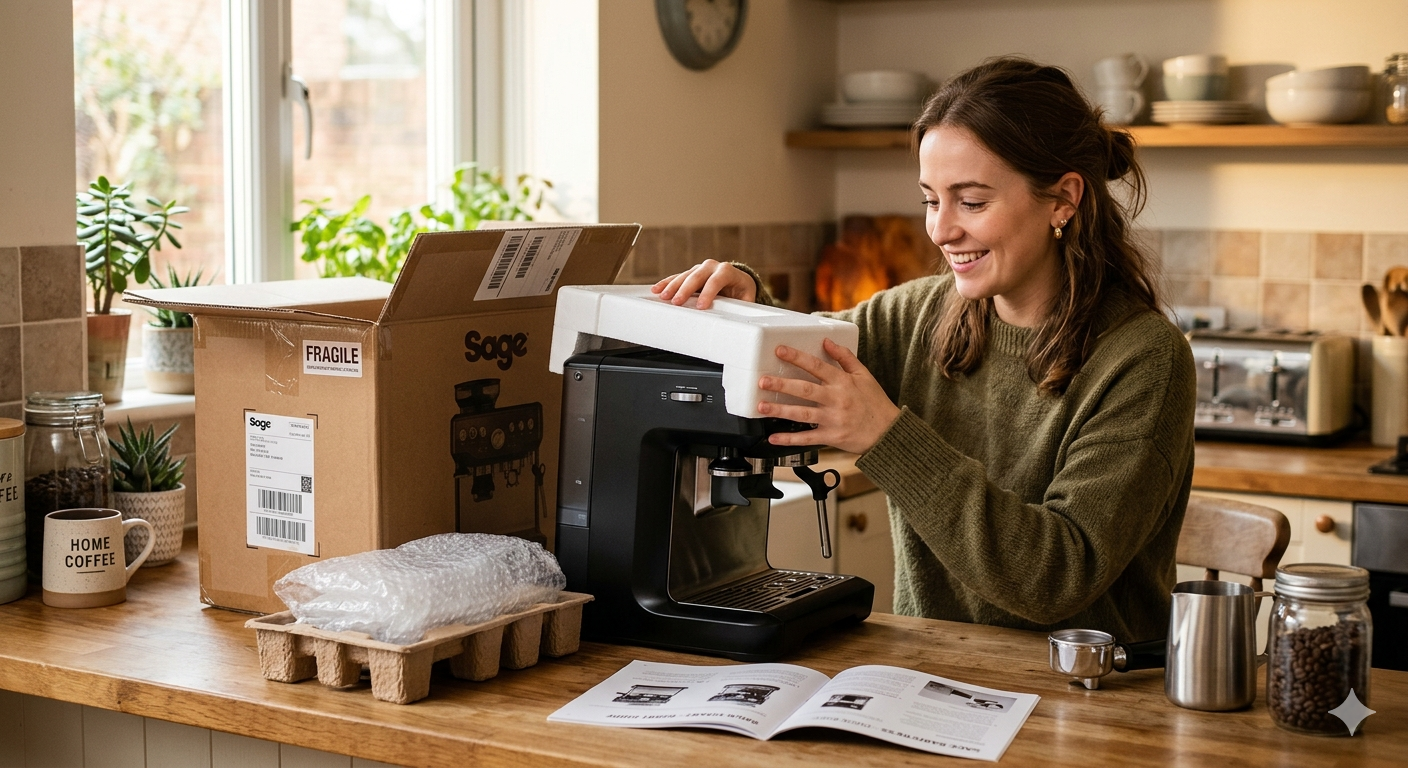
The industry calls tracking a package 'post-purchase experience.' It's not. Real post-purchase starts when the customer opens the box — and lasts years.

A seven-email, 90-day sequence for connected products drives registration, support engagement, parts revenue, and loyalty. Here's the playbook.

App-based loyalty programmes lose 95% of customers before they start. Here's how QR scan moments replace downloads with frictionless, data-rich touchpoints that actually build loyalty for physical product brands.

Retailers own loyalty. Manufacturers don't: until now. Connected products create a direct channel for engagement, rewards, and repeat purchase.

Lost your warranty card? UK law doesn't require it. Here's what actually protects you, what to do next, and how digital registration eliminates the problem.

LEGO turns missing bricks into brand loyalty. Most manufacturers leave customers stranded. Here's what separates the gold standard from the status quo.

Most manufacturers lose customers the moment warranty expires. Here's how to turn expiry into a retention trigger — and 2-3x lifetime value.
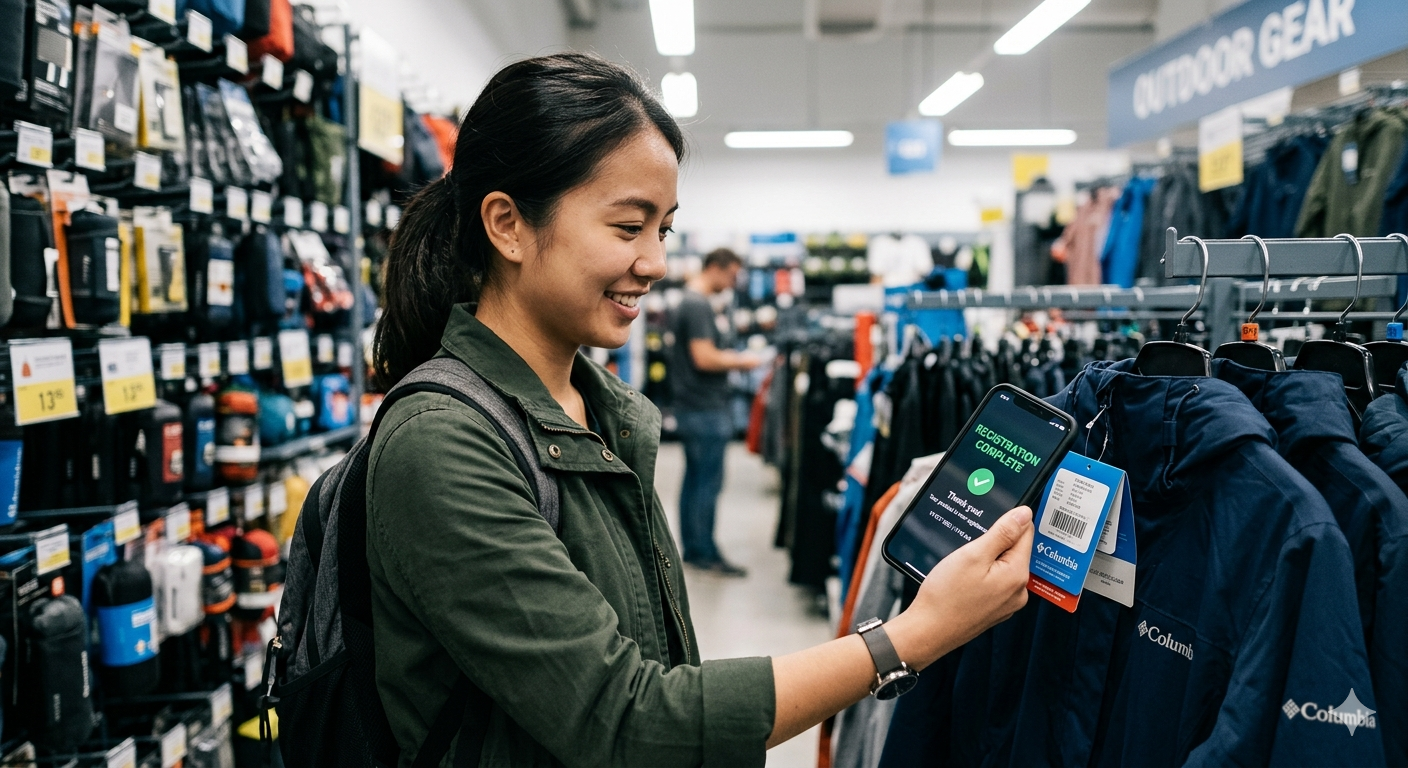
A customer scans a QR code and in 10 seconds they are registered, onboarded, and in your CRM. Here is exactly how BrandedMark makes that happen.

When physical assets move between workers and sites, paper logs fail. Here's how QR-based fleet management solves check-in, service history, and HSE compliance.

Most drip campaign guides are written for SaaS. Here's the playbook for physical product manufacturers — where scan events, not page views, drive every trigger.

Most manufacturers register fewer than 10% of buyers. These 12 tactics address each stage of the registration funnel, from QR placement to form design.

UX principles that separate 15% warranty registration rates from 65%. Design patterns for digital warranty cards.

Plastic-free NFC tags that compost in 30 days are here. What this means for connected product brands, DPP compliance, and sustainable packaging.

AI support is splitting: chatbots answer questions; agents take actions. The difference is architecture. Agents need the full product graph.

Warranty registration, support deflection, spare parts attach, and post-purchase NPS benchmarks every after-sales team needs. Industry data you won't find elsewhere.

Most manufacturers invest millions in acquiring customers and nothing in keeping them. Post-purchase infrastructure changes that equation permanently.

Every product scan, warranty registration, and support request generates valuable intelligence — but most manufacturers collect none of it at the product level.

Most brands already print QR codes on packaging. Most go nowhere useful. Here's what a great scan experience looks like vs a wasted one.

Generic QR codes on product packaging are a phishing target. Here's what branded, verified QR codes do differently — and why it matters for anti-counterfeiting.

Branded apps have high abandonment rates. A web-first product experience via QR code reaches more customers, costs less, and requires no download.

Most product QR codes waste their one chance to engage a customer. Here are the five CTA formulas that actually drive scans.

Cancel your QR platform and your codes die. Switch warranty tools and your customer database stays behind. Product data portability is a crisis nobody's addressing.

Digital product identity is a persistent, unit-level record for one physical product, linking serial, owner, warranty, service history and DPP data so manufacturers stop losing sight of the units they ship.
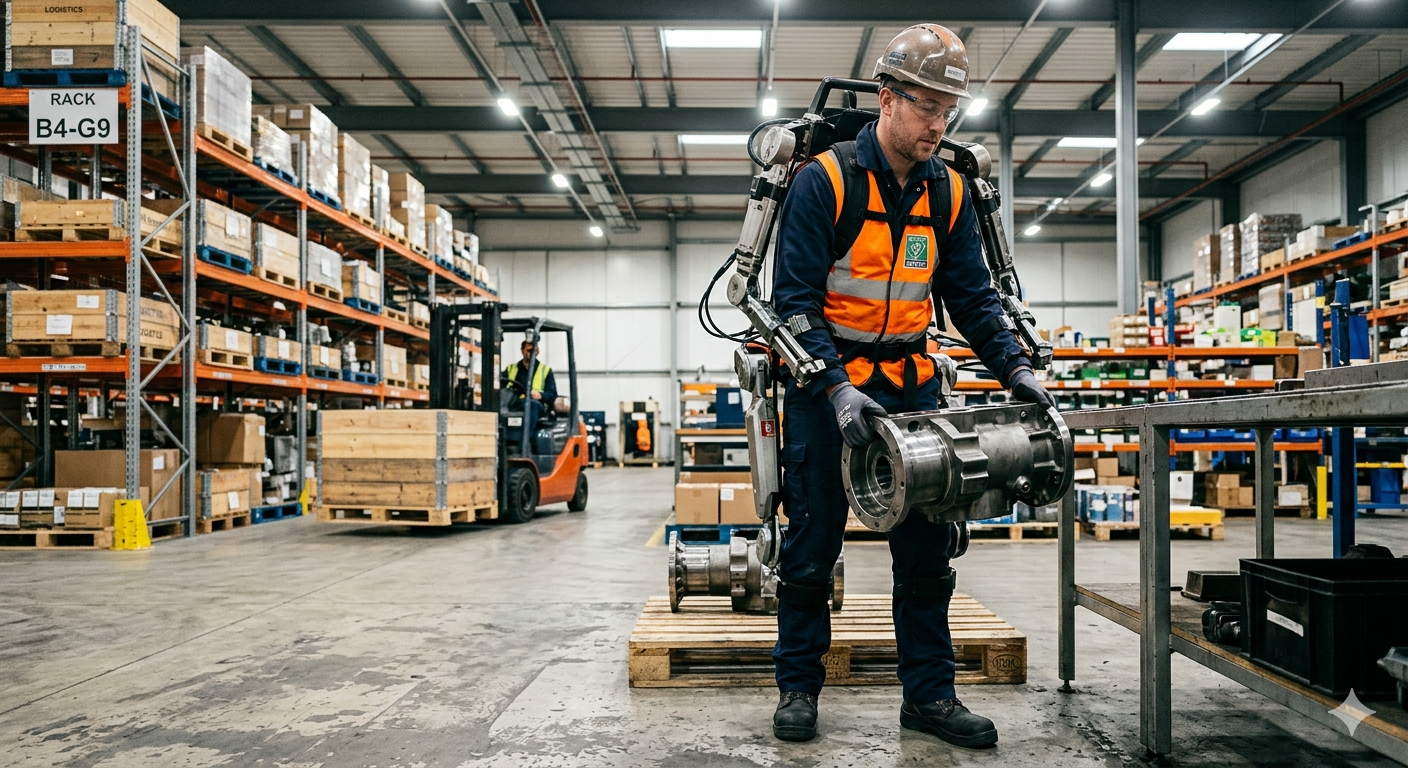
The 8 criteria procurement teams use to evaluate industrial exoskeletons — and why the digital experience layer is now the deciding factor.

Branded QR codes replace generic black-and-white squares with brand-consistent designs. History, how they work, design options, and why they matter.

The scan moment is the highest-intent zero-party data event available to manufacturers. Here's why it beats every other channel — and how to maximise capture.
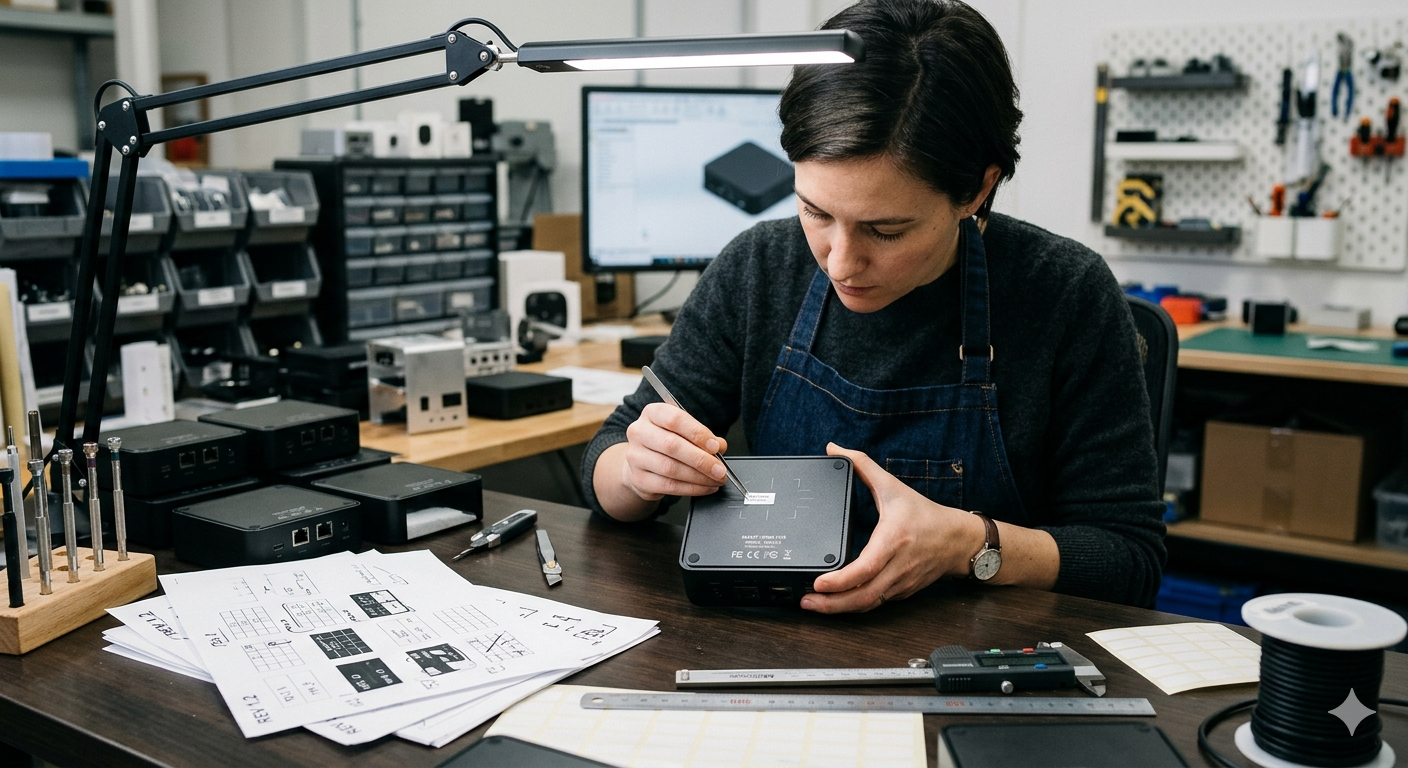
Where you put your QR code determines whether it gets scanned or ignored. Five placement principles, sizing rules, and the dual-QR strategy for manufacturers.
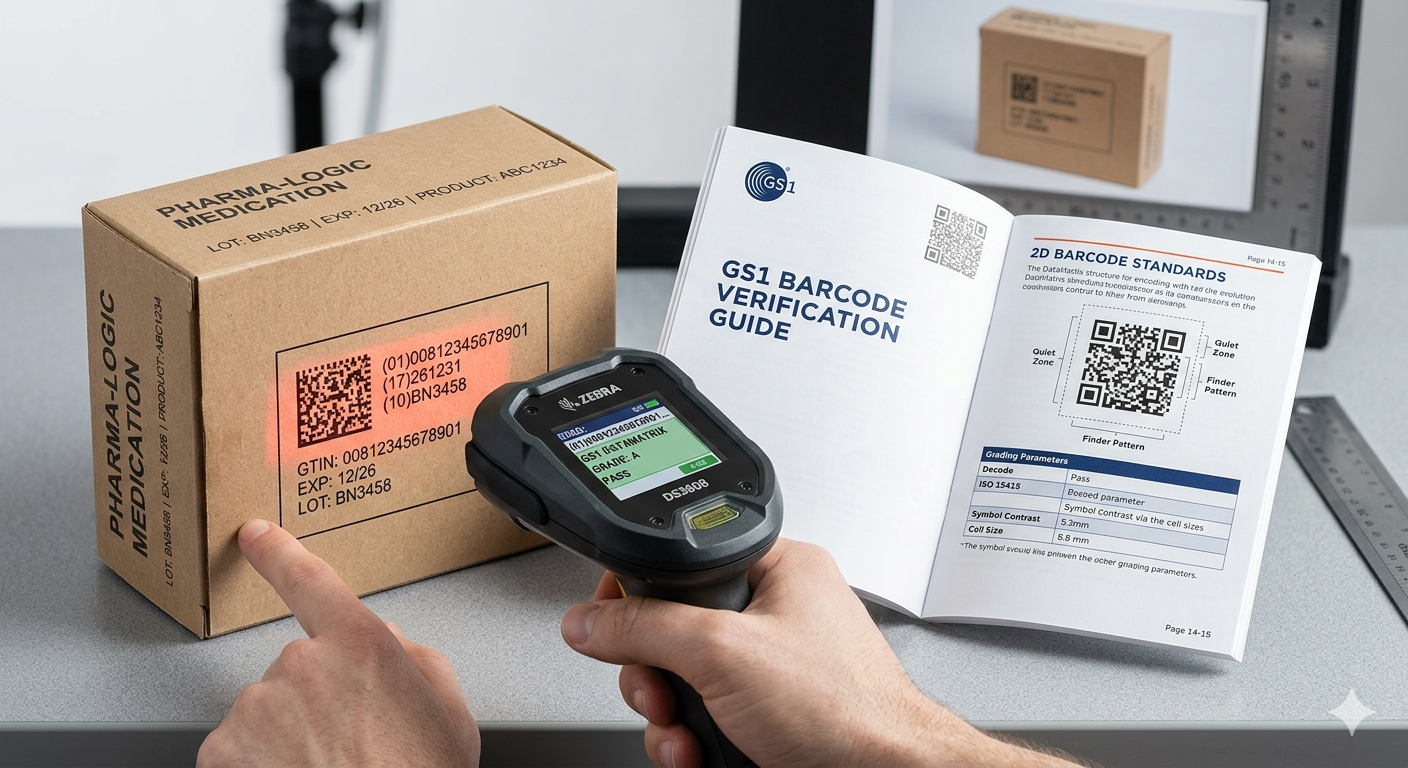
GS1 Digital Link encodes your GTIN and serial into a standard web address any scanner can read. What manufacturers need to know and do.
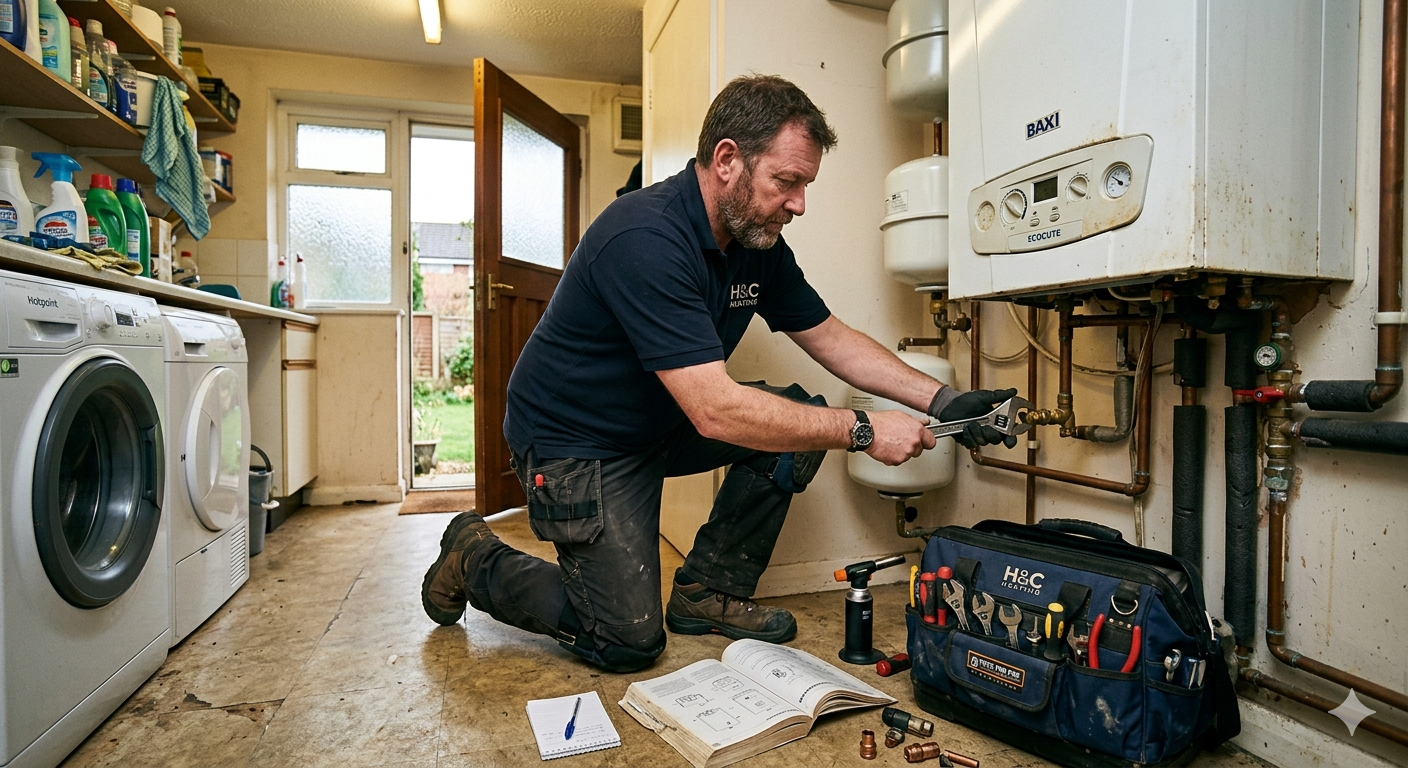
Installers are the forgotten users of product identity. Why field service teams need digital access to the product record — and why every visit is data.
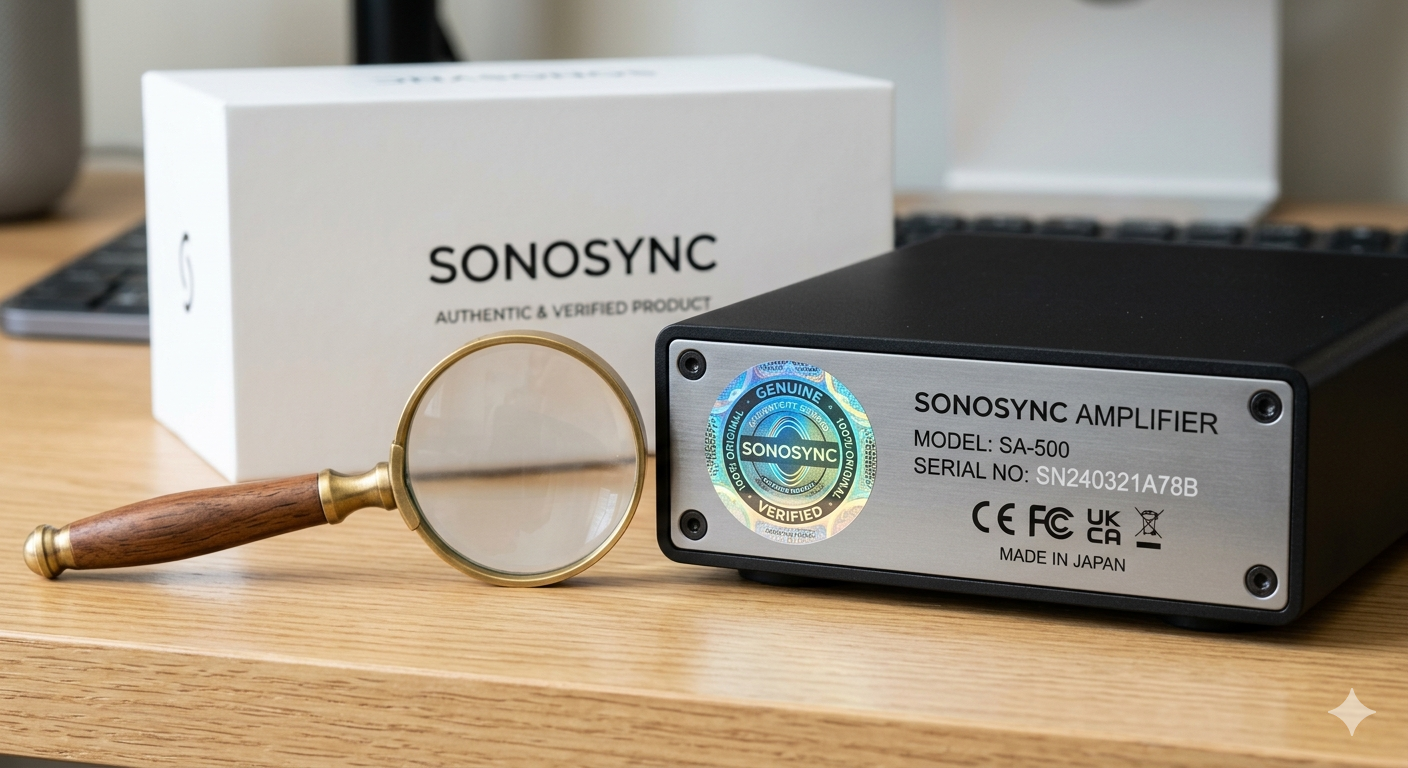
Consumer electronics counterfeiting costs the industry $100B+ annually. Serialized QR authentication at the unit level gives brands verification, customer identity, and warranty validation in one scan.
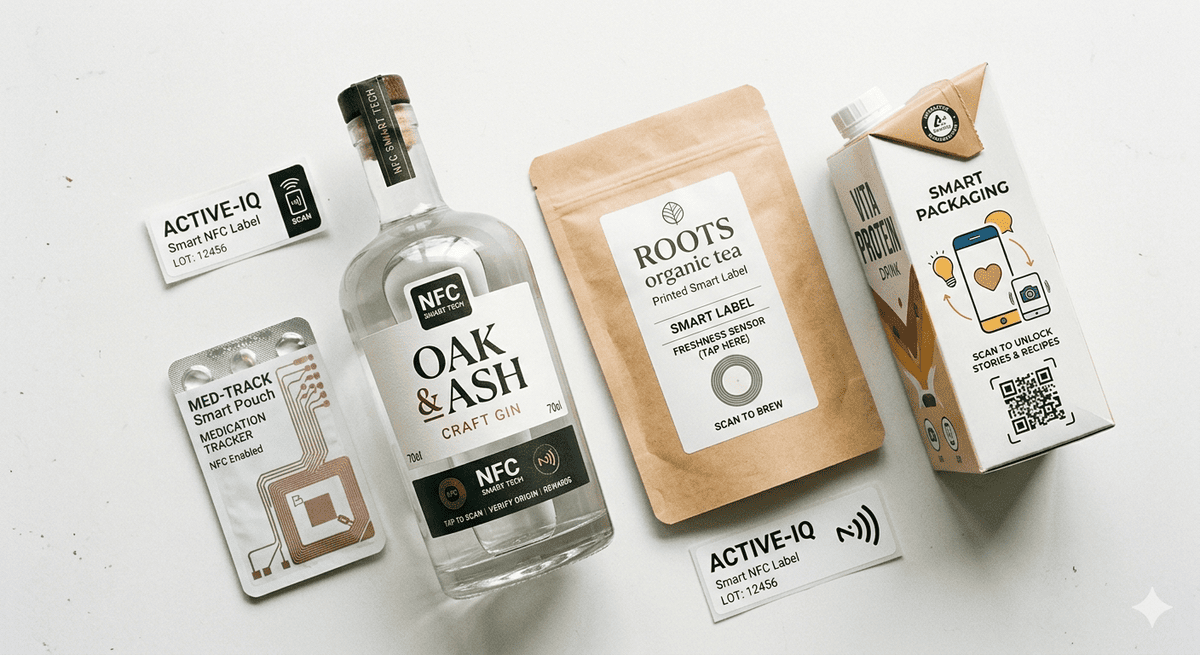
Smart packaging is no longer a novelty — it's infrastructure. The definitive guide to connected packaging tech, regulatory drivers, and where it's heading.
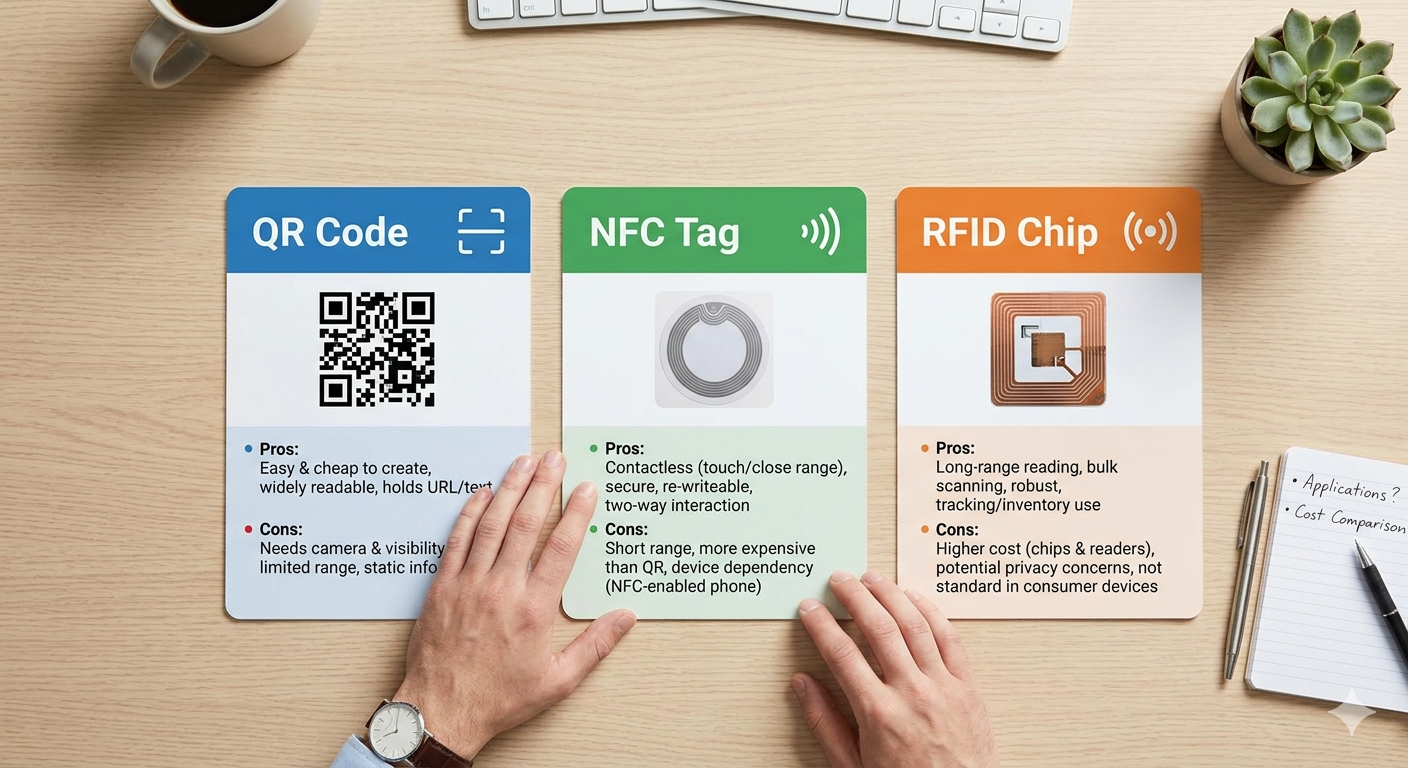
QR codes, NFC tags, and RFID chips each serve different connected product use cases. Here's a comprehensive comparison — cost, scan rates, use cases, and when to use each.

What does a QR code scan capture? Timestamp, GPS, device, serial number, and more. Here is how to turn six categories of scan data into competitive decisions.
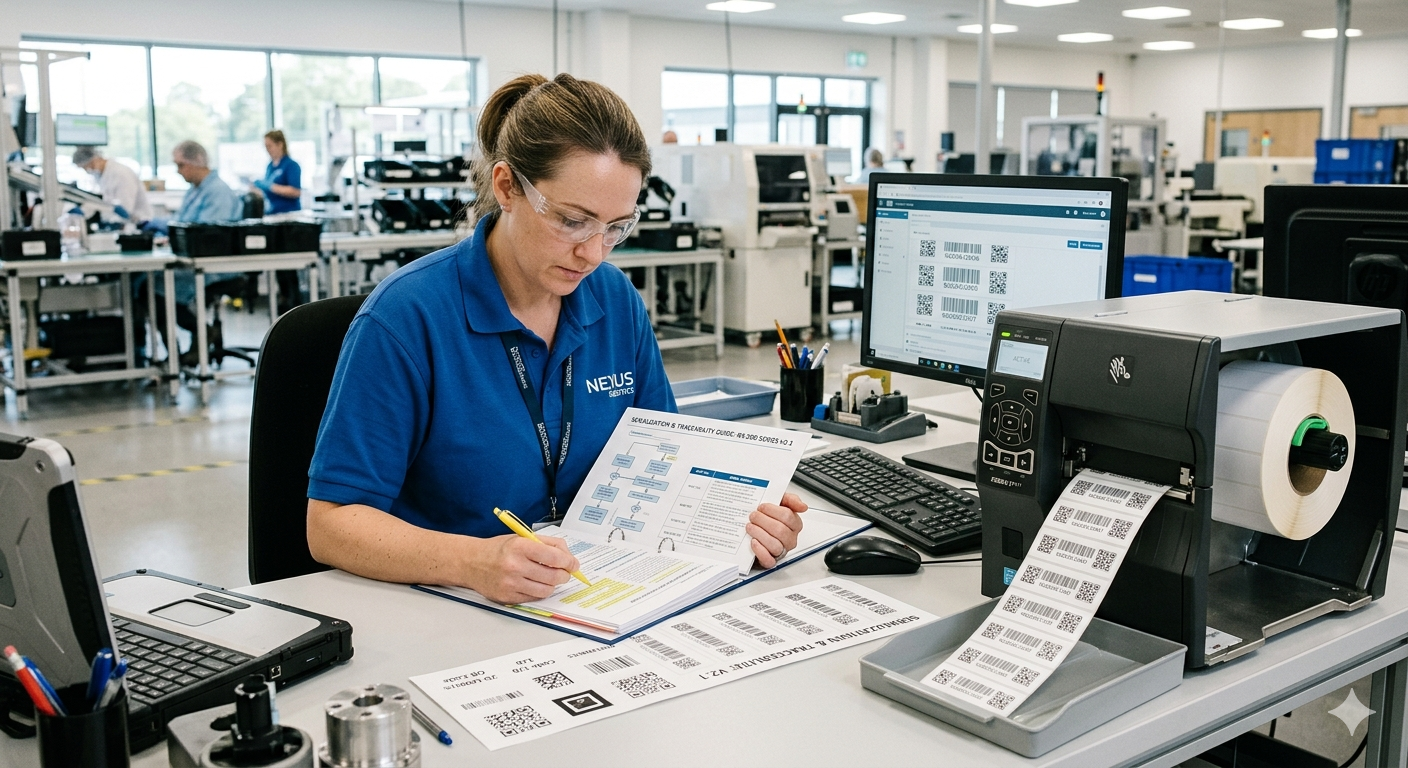
Unit-level serialisation is the foundation of anti-counterfeiting, precision recalls, and EU Digital Product Passport compliance. Here is how to implement it.
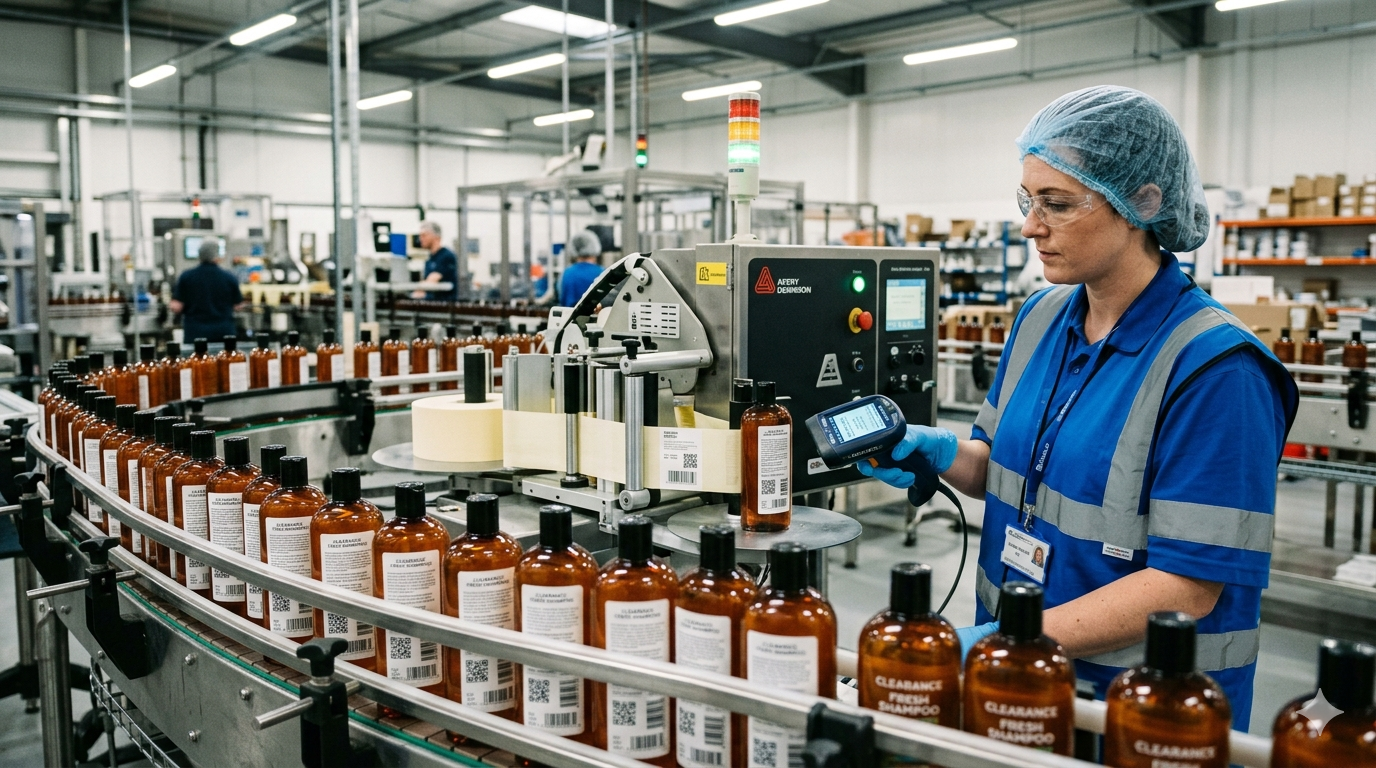
Your products cost $5 each — why serialise? Because at 1M+ units, per-unit cost is $0.003 and the data value per scan exceeds it by 100x. Here's the FMCG case.
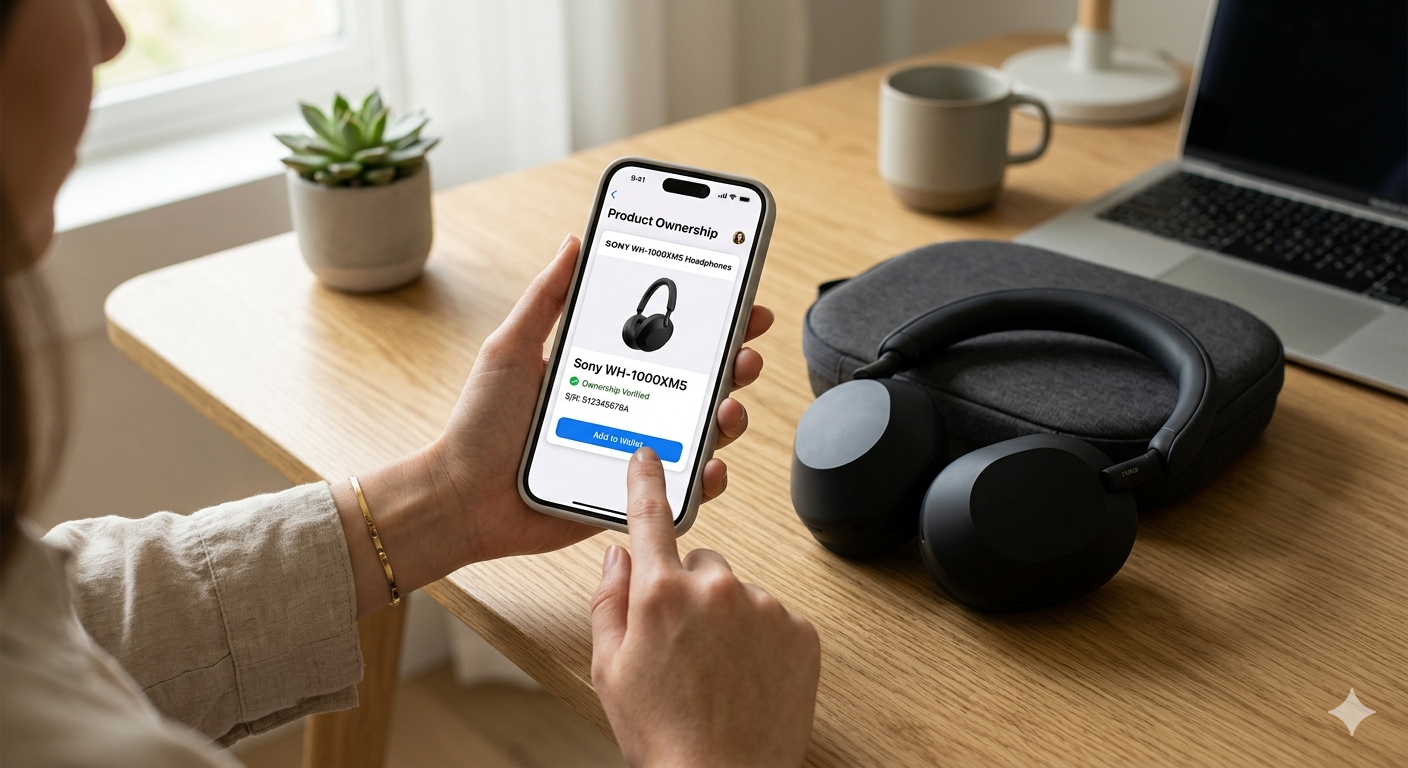
Register your product with a passkey, get a warranty card in Apple Wallet. No passwords, no paper cards, no lost receipts. This is what product ownership should feel like.
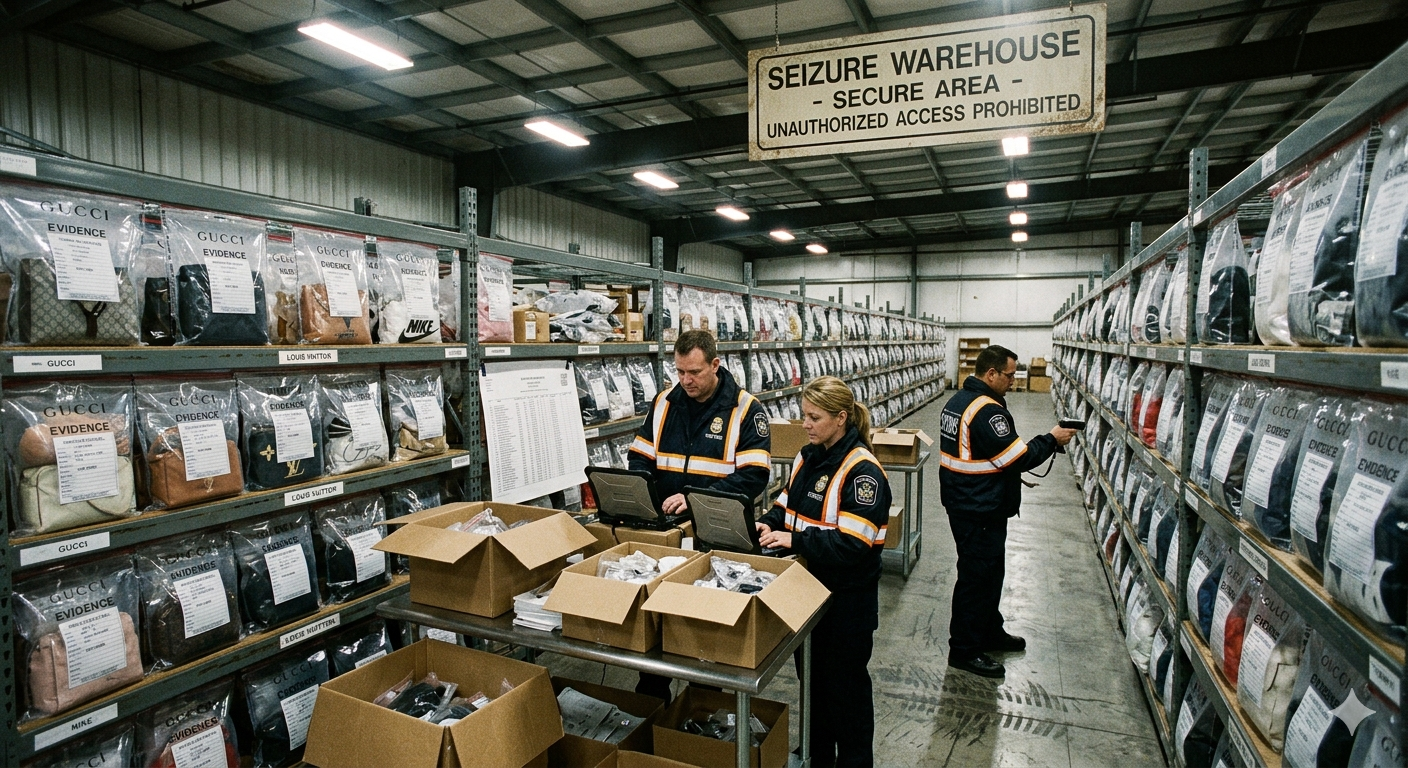
Counterfeiting costs UK manufacturers GBP 9B a year. Fake PPE and auto parts risk lives. Why holograms fail — and how serialised QR verification fixes it.

Holograms and certificates of authenticity are passive and easily faked. Serialized QR authentication gives luxury brands cryptographic proof, real-time verification, and a direct customer relationship.

Authentication is not just about stopping fakes. The same scan that verifies a product can register a customer, capture data, and unlock aftermarket revenue.

Every connected product platform forces customers to create an account before they can register a product. Passkeys eliminate that friction entirely — and unlock a model of product ownership that is faster, more secure, and fundamentally better suited to physical goods.
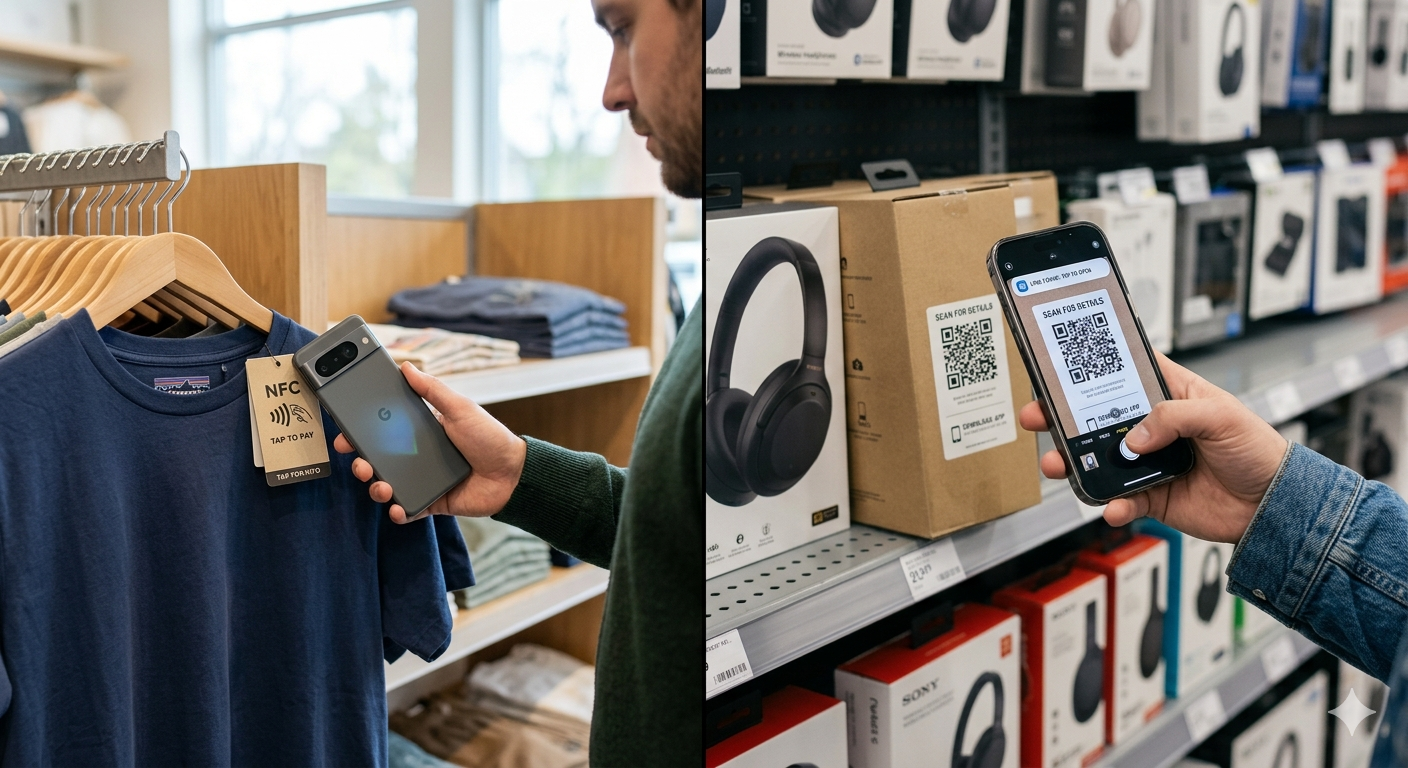
NFC chips and QR codes connect products to digital experiences but serve different jobs. Compare cost, security, and DPP compliance to choose — or run both.

35-50% of durables resell. Brands lose relationships. Connected identity enables warranty transfer, support access, and verified resale value.
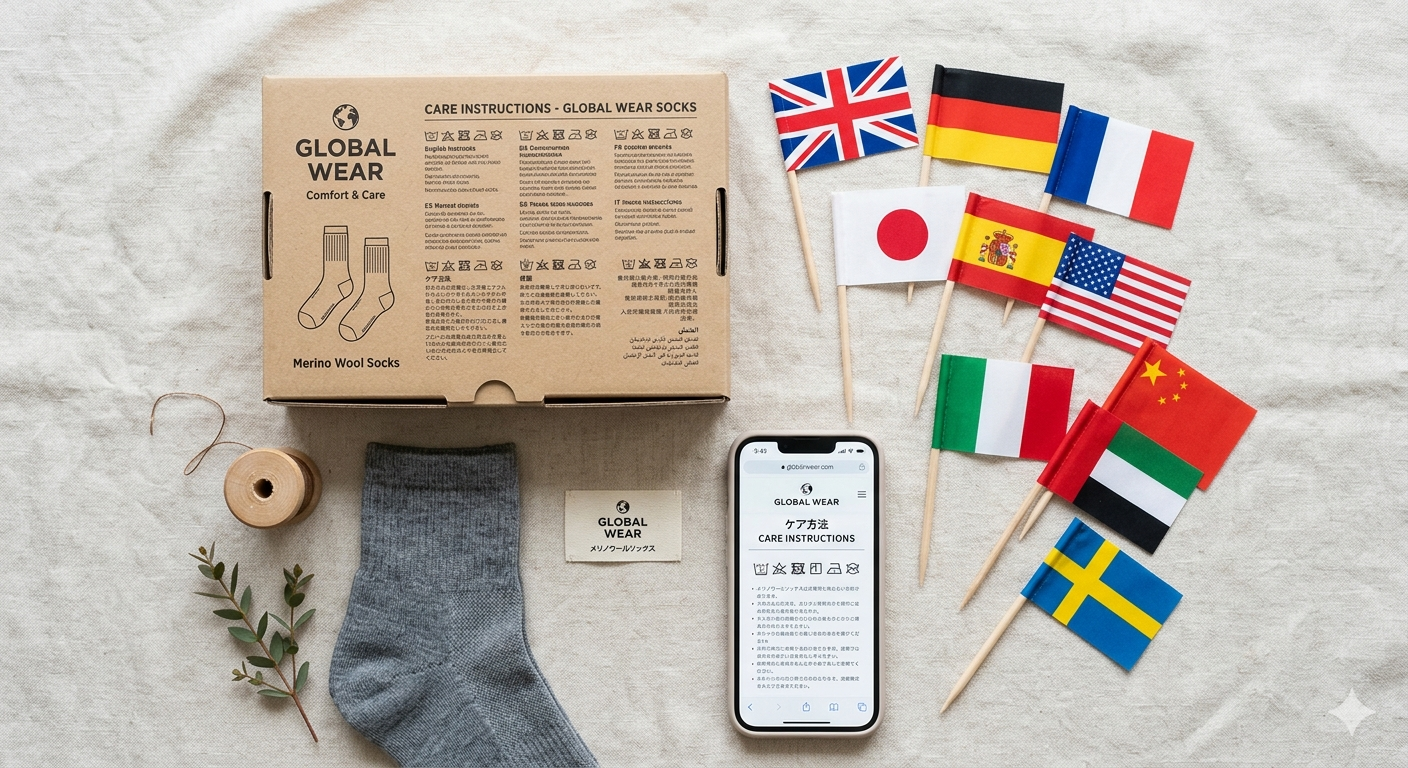
One QR code, every language. Serve localised product content by browser language — no regional packaging runs, no reprint delays, full EU compliance.
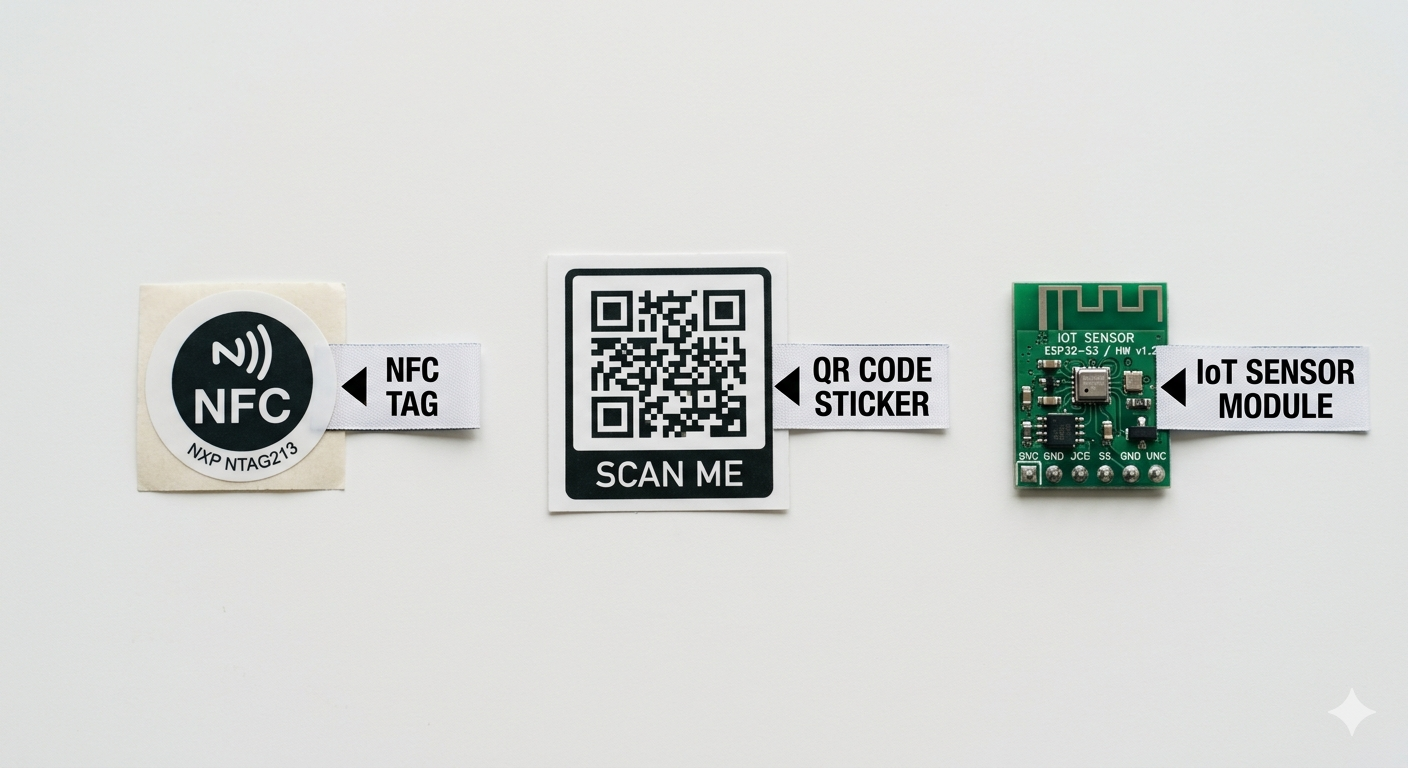
IoT, NFC, and QR each solve a different connected product problem. How to choose the right tech stack — and why most manufacturers should start with QR.
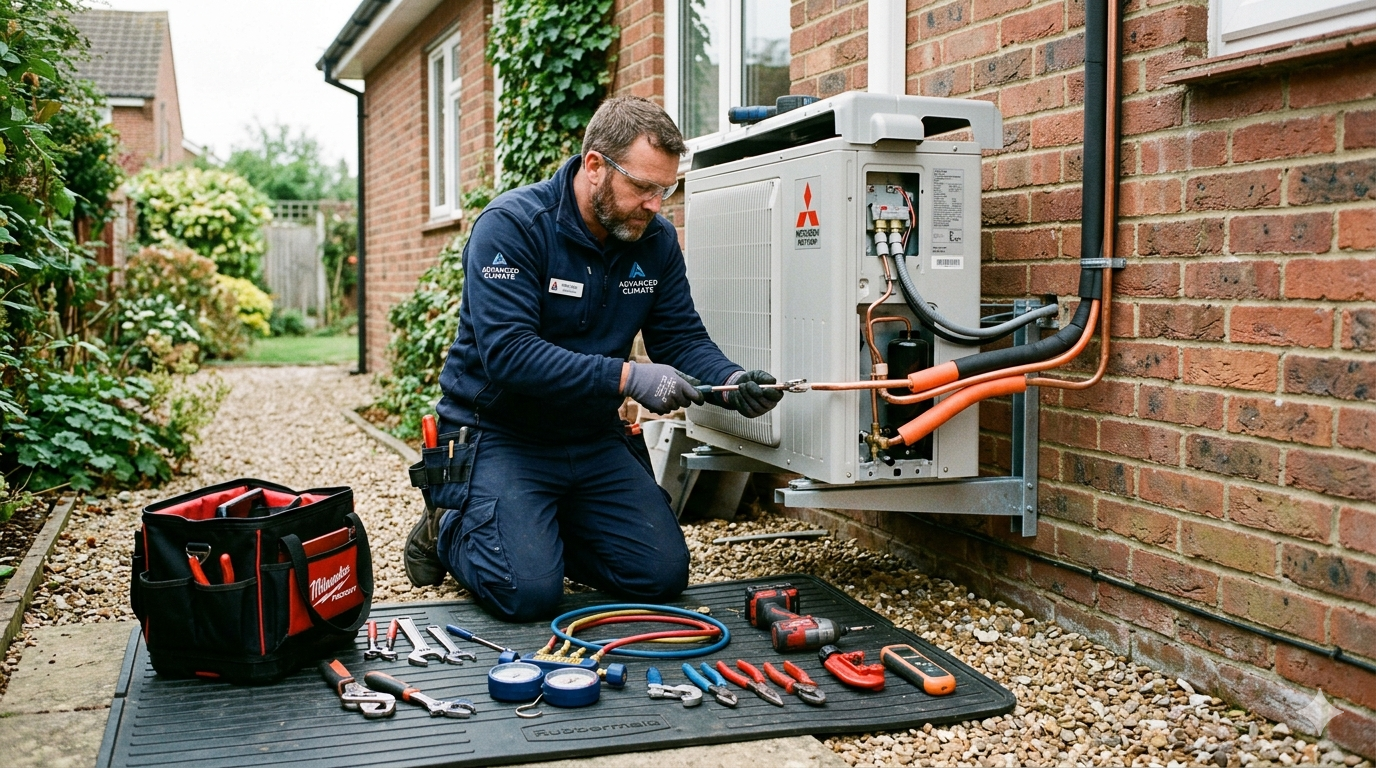
How HVAC manufacturers can use digital product identity to connect installers, homeowners, and service engineers — across a 15-25 year product lifecycle.

When your product gets resold, you lose the customer. Digital product identity with ownership transfer turns every resale into a new relationship at zero cost.

German Bionic leads with AI-powered fleet management for its Cray X exoskeleton. Here's what industrial manufacturers still selling dumb hardware are missing.

GS1 Digital Link turns your barcode into a web address. One code for retail scanning AND customer engagement. Here's what brand teams need to know.
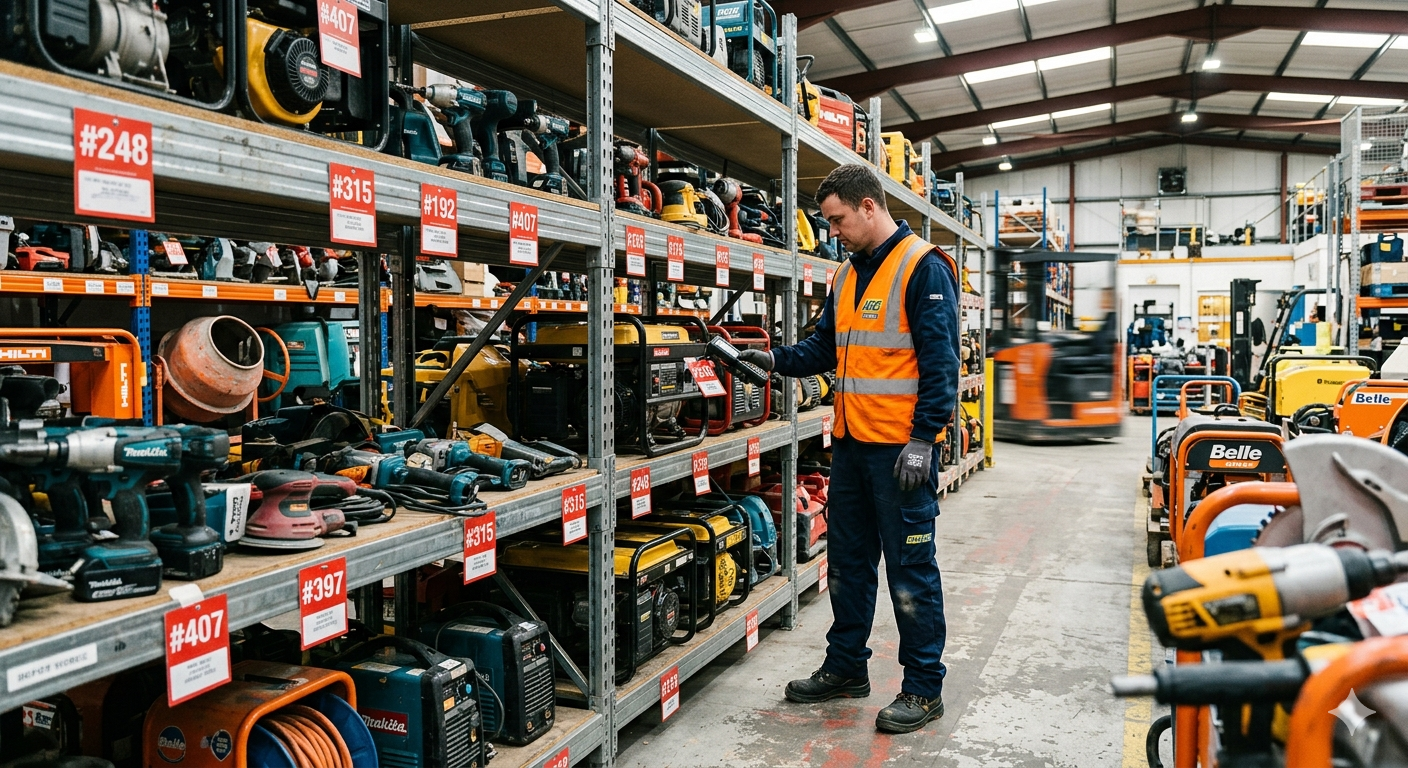
UK equipment hire runs on paper inspection records and depot-only RFID. A digital identity layer makes compliance visible on any job site.
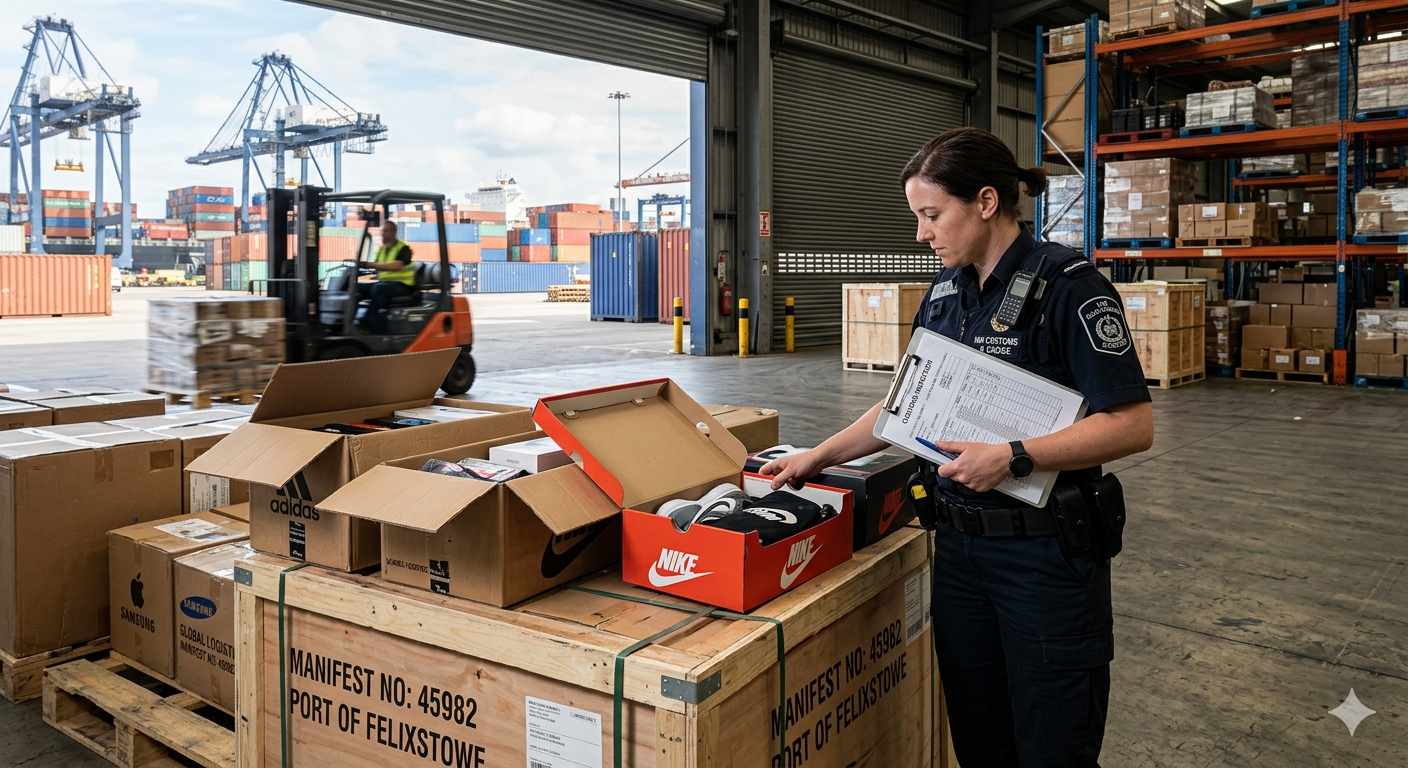
Counterfeit goods cost the UK GBP 9B+ annually across PPE, auto parts, electronics and toys. Why enforcement is losing, and what manufacturers can do now.
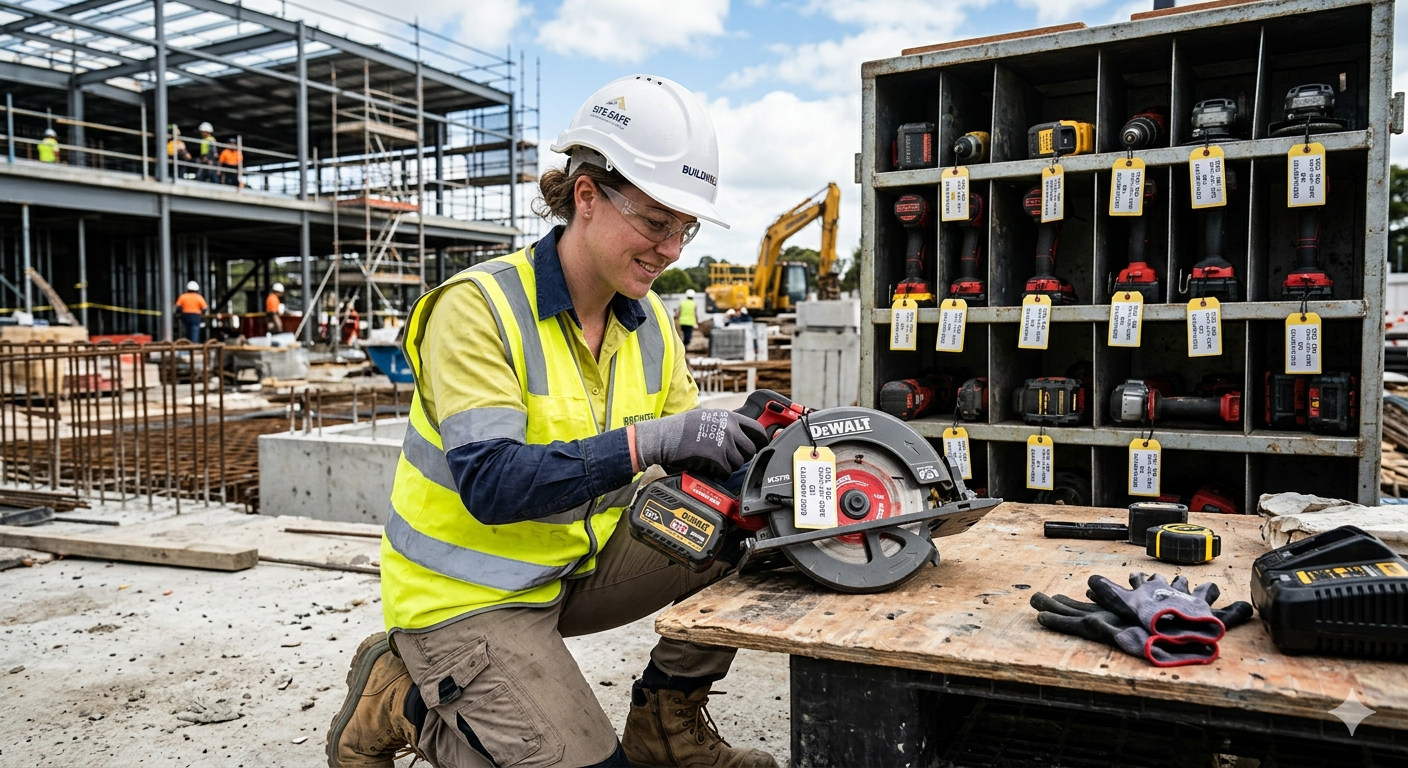
Construction is the least digitised major industry yet relies on hundreds of products needing identity — from PAT-tested tools to scaffolding load ratings.

Hospital furniture, instruments, and PPE carry real patient safety risk. How digital product identity extends traceability beyond regulated medical devices.

Outdoor gear has long lifecycles, passionate communities, and a thriving resale market. Connected product identity unlocks all three.

A QR code is not authentication. Real connected product security requires four layers — from serialisation to cryptographic ownership proof.

92% of brands use connected packaging. DPP regulation, GS1 Digital Link, passkeys, and AI are shaping 2026. Here's what changed and why it matters.

Brand protection isn't just anti-counterfeiting. It's three pillars: authentication, distribution control, and recall readiness. Connected product identity serves all three from one infrastructure.

Every product scan is a data point. Every registration is a customer profile. Every support interaction is product intelligence. Most manufacturers capture none of it.

Outdated printed manuals expose manufacturers to legal liability, recall risk, and regulatory non-compliance. Here's what replaces them.
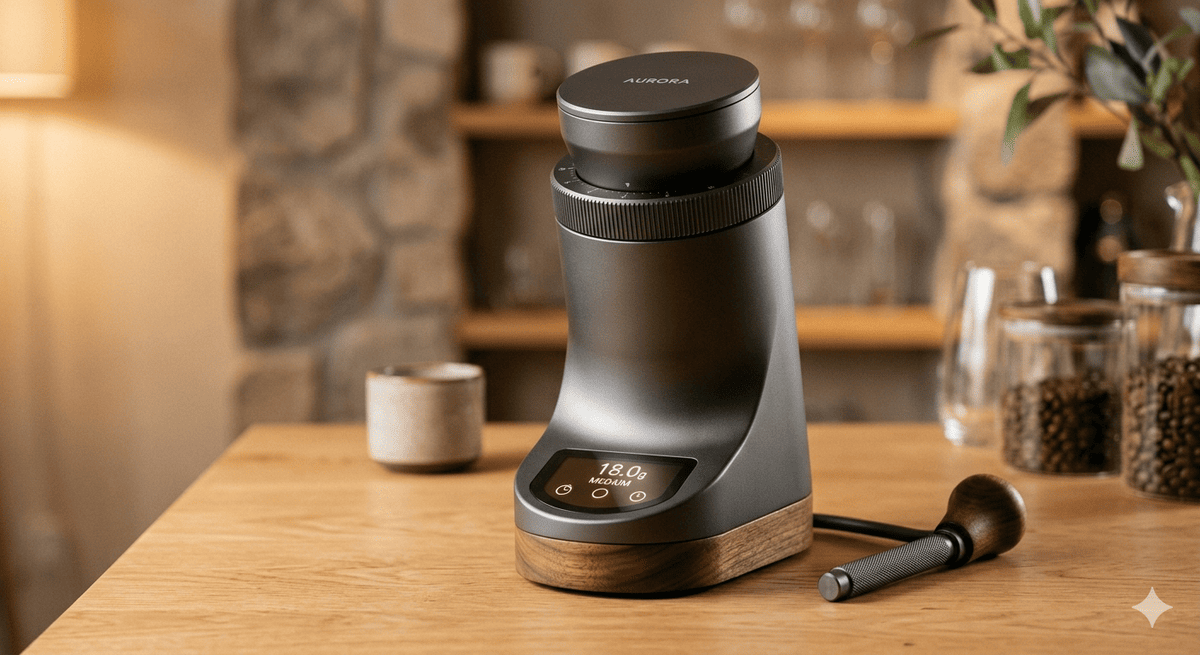
Most products aren't smart devices. But every customer carries a smartphone. A QR scan bridges any physical product to an iPhone-level digital experience.

Most manufacturers add digital identity as an afterthought. Digital-first brands design the connected experience before production, capturing data from day one.
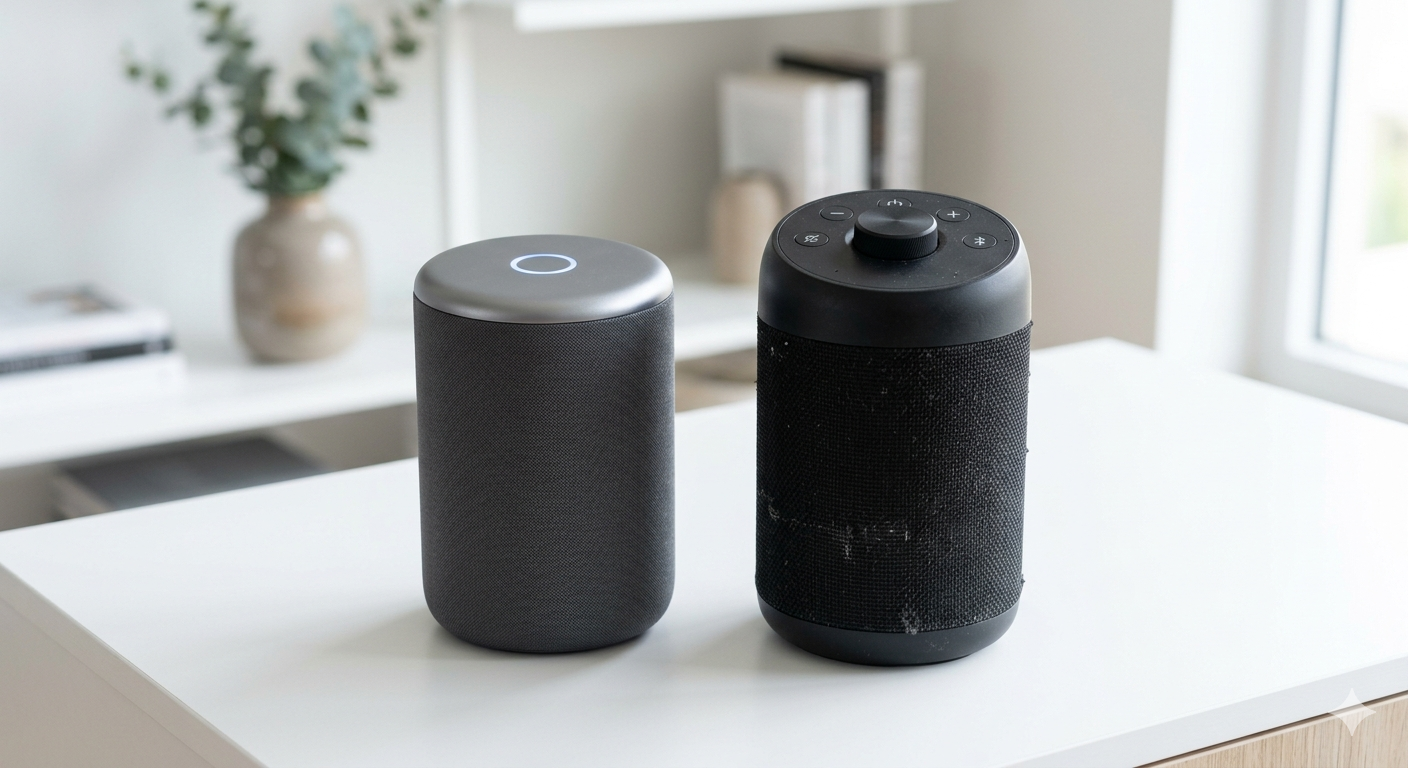
Your competitors register owners at unboxing, sell spare parts from a scan, and collect data at scale. Your products ship and disappear. Time to close the gap.

Manufacturers need to see physical-digital interaction in action, not a slide deck. Vendors who offer scannable live demos win more evaluations.

Two units of the same product — same SKU, same production line — diverge the moment they leave the factory. Environment, usage, installation, and ownership make each one unique. Here's why that matters.

ERP, CRM, field service, and DPP registry each hold a different version of product truth. A product API gives every unit one queryable identity.

Most manufacturers have 5–10 generic web pages and no blog. Meanwhile, buyers research every purchase online — and AI recommends brands with published authority. Here's why content is now a manufacturing competitive advantage.

Seat-based SaaS pricing doesn't work for connected products. Here's why production volume pricing aligns vendor incentives with brand outcomes.

When a customer scans your product, they should see your brand — not your vendor's. Here's why white-label matters and how BrandedMark disappears by design.

Every product scan creates measurable value: registration, support deflection, parts revenue, and customer data. Here's the framework for quantifying it.

A connected product platform gives every product a digital identity and ongoing owner relationship. What it does, who needs one, how it works.

A no-code visual builder that lets manufacturers create product experiences — setup guides, warranty registration, support flows, spare parts pages — without writing code. Here's what it does and why it matters.

Every QR code printed on your products points to a URL. Switch platforms and those codes go dark. Here's what data portability really means for manufacturers.
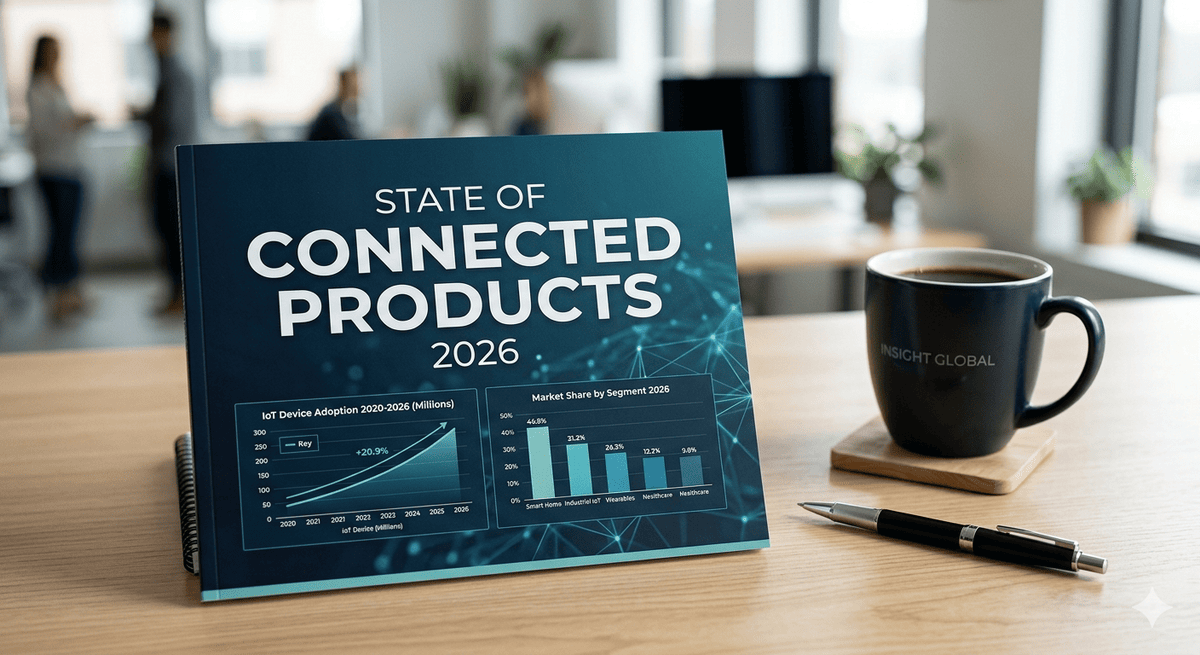
QR codes, NFC embedding, EU DPP deadlines, and platform consolidation — a data-driven snapshot of where connected products stand in mid-2026.

Screenshots kill B2B product software deals. Learn how sales engineers using live scan demos close 2-3x more and how to build a demo kit that converts.

Once you've shipped 200,000 QR codes linking to a platform, switching is painful. Here's what lock-in actually costs — and how to avoid it.

Every product that ships without a digital identity creates invisible losses: unregistered owners, avoidable support costs, and aftermarket revenue flowing to third parties.

SKU data tells you what sold. The product graph tells you what happened next — to that specific unit, that owner, across its entire lifetime.

The biggest fear for manufacturers going direct: channel conflict. But after-sale commerce: spare parts, warranties, support: doesn't compete with retailers.

Building product experience software in-house looks cheaper on paper. Here are the real costs — visible and hidden — that most teams miss.

EU DPP mandates, GS1 QR migration, and AI-native product experiences are converging by 2030. Here's the confirmed roadmap manufacturers need to plan for now.

Mid-market brands are overpaying for enterprise tools or under-investing with disconnected apps. Here's what the right stack looks like and what it should cost.

Most product companies lose contact with 90% of buyers within 48 hours of sale — and never count the cost. Here's the financial model your CFO needs to see.

Most manufacturers have a hidden revenue stream in their installed base that never shows on the P&L. Here is how CFOs can model and unlock it.

Returns app plus tracking app plus warranty tool plus DPP tool plus support chatbot. Five subscriptions, zero unified view. Here's why consolidation is overdue.

Intercom's shift to per-resolution pricing changed how the market thinks about AI value. For connected products, the same logic applies — charge for registrations, not seats.

The UK second-hand market tops £8 billion, but most pre-owned products are digitally orphaned. Here's how digital product identity transforms resale.

UK Ecodesign regulations require spare parts for up to ten years and accessible repair information on request. Here is what compliant looks like.
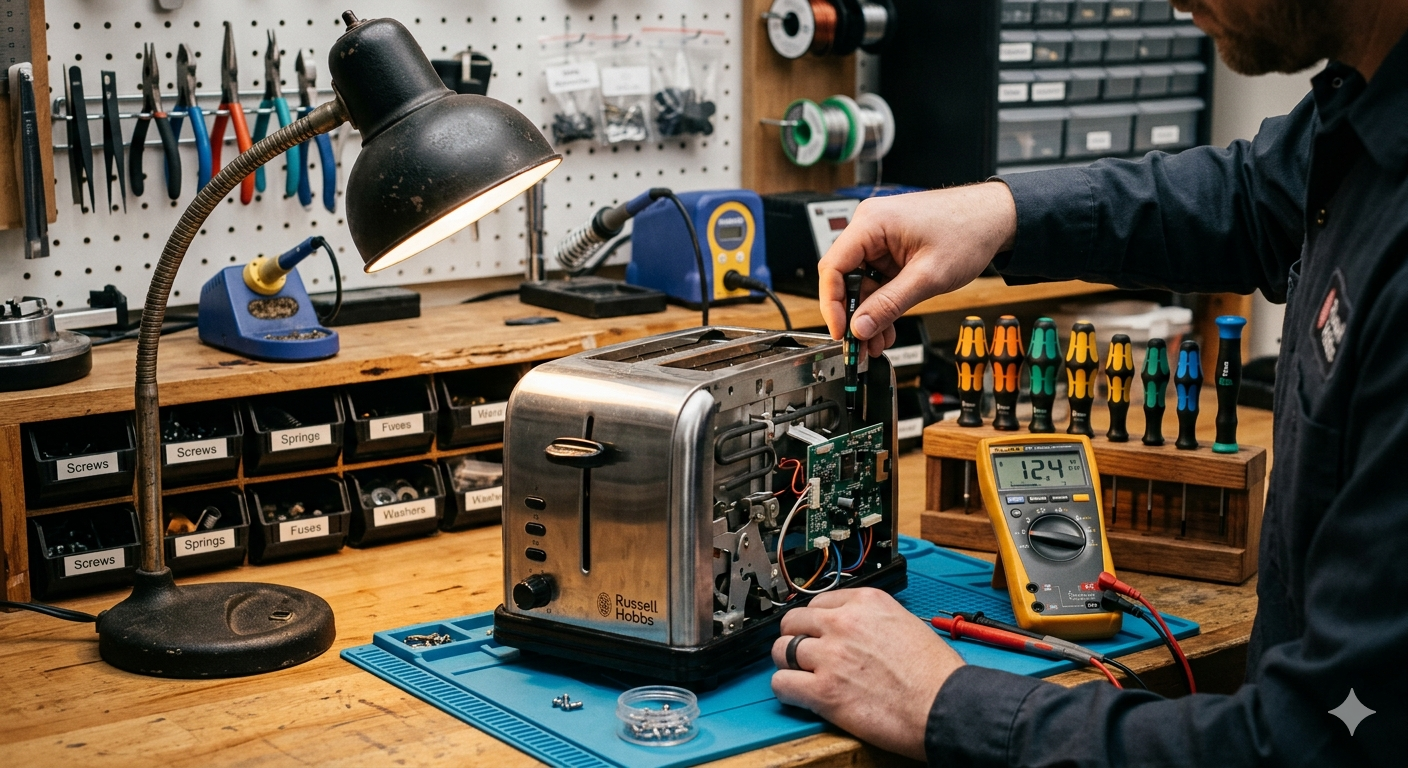
Right to repair laws are live. Smart manufacturers are turning repair data into parts revenue, customer retention, and a repairability score that beats rivals.

Every product scan generates data. Location, device, time, repeat visits. Here's how to use that data to communicate with customers at exactly the right moment.

Products need an OS — a single system managing identity, onboarding, support, commerce, and compliance across the entire lifecycle. Here's what that looks like.

Every QR scan, warranty registration, and support interaction generates data. Most manufacturers collect it but never use it. Here's what product lifecycle data reveals — and what it's worth.
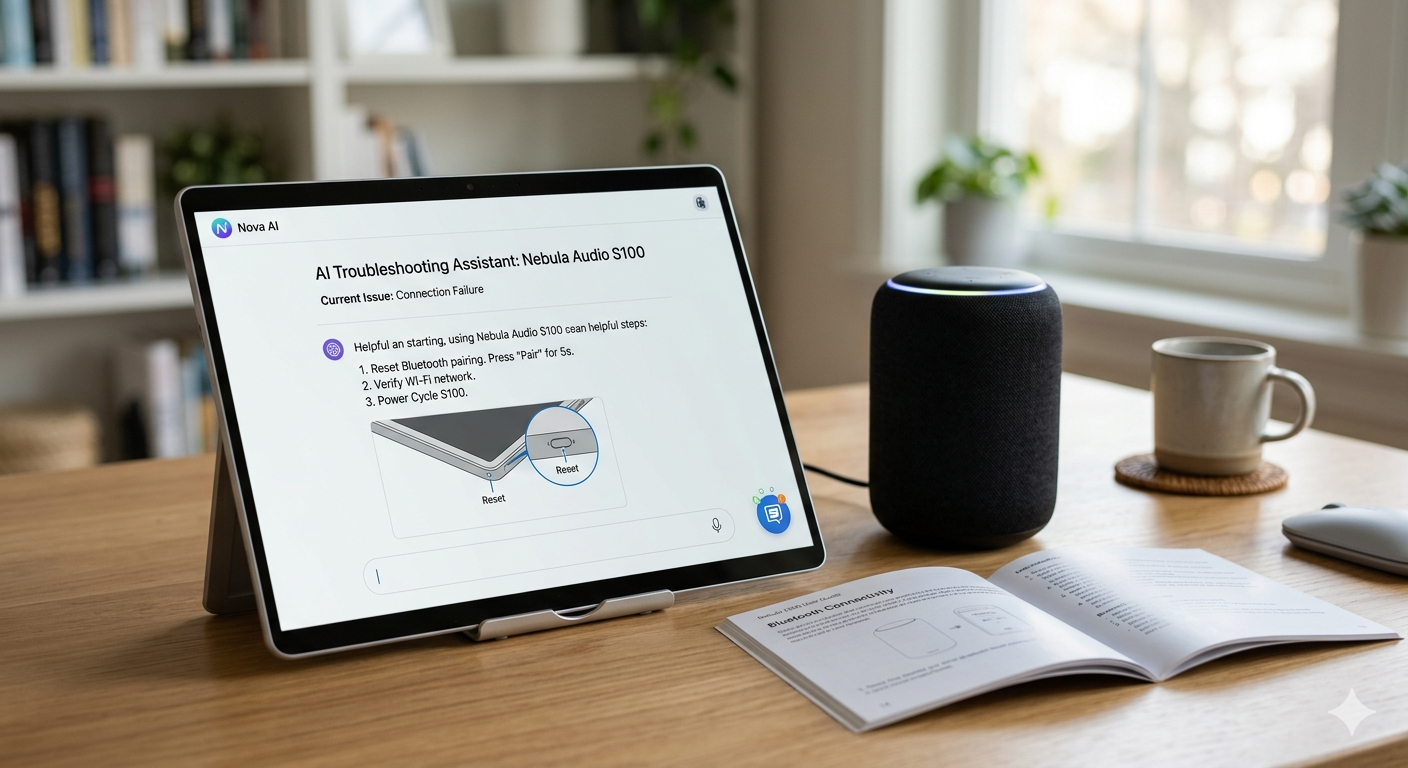
AI product assistants fail without product identity. Here's why the data foundation — serialised per-unit data — matters more than the model.

Subscription boxes, replenishment models, and equipment-as-a-service all need product identity. Here's how connected products work when the business model is recurring.

Every connected product platform targets enterprise. If you ship 5,000-50,000 units a year, here's why product identity is for you too — and what it costs.

A five-level framework for assessing your product identity maturity — from no digital touchpoint to a full product ecosystem. Find your level, benchmark against the industry, and map your path forward.

Manufacturers are shifting to recurring revenue through Product-as-a-Service. PaaS only works when you know which product is in the field and what it needs.

CRM was built for B2B sales pipelines, not post-purchase product relationships. Here is why manufacturers need a product experience platform.

Retailers get your basic product data. But the data that drives post-purchase value — setup guides, warranty terms, spare parts catalogs — lives nowhere accessible. Here's how to fix that.

Aftermarket revenue exceeds the initial sale for most durable goods. Here are 7 revenue streams manufacturers are leaving on the table.

Retailers carry hundreds of brands. Each needs connected product experiences. Here's why a unified product identity layer beats brand-by-brand deployment.
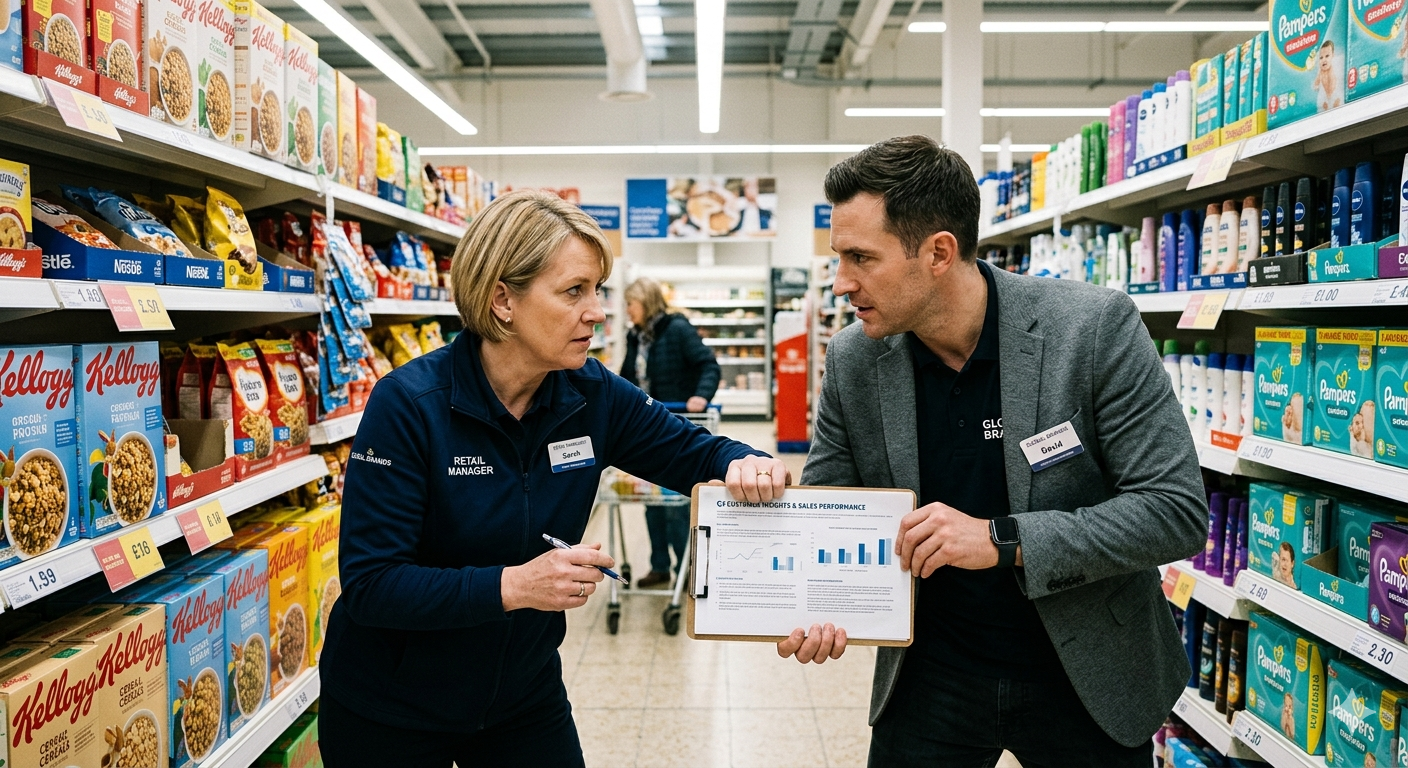
Retailers own your customer data. Manufacturers own almost none. Here's why that imbalance costs you revenue and loyalty — and how to fix it.

Most product experience briefs are either too narrow or too vague to get useful responses. Here is the complete framework procurement and product managers need to write a brief that surfaces the right vendor, fast.

A ready-made framework for winning board approval on digital product identity — the 3-slide pitch, 5 key metrics, and answers to common objections.

A product manager's framework to measure digital product identity ROI in Year One — five metrics, a measurement schedule, and a worked 100K-unit example.

Product registration data reveals churn risk before customers call. Learn which engagement signals predict defection and how to act before it's too late.

Product support costs manufacturers GBP 400K–5M per year. Here's how product identity cuts that bill by 30% — the CFO's ROI case.

Product data — serial numbers, registration dates, scan history — turns generic post-purchase campaigns into product-specific lifecycle conversations.

Registered product owners generate 2.5x lifetime value. How connected product identity drives CLV through support, parts, and warranty.

Four ethical models for turning product scan data — geo signals, repeat frequency, conversion events — into real revenue without crossing the privacy line.

The global aftermarket repair market tops GBP 500 billion — and OEMs capture barely a quarter of it. Here's how digital product identity changes the economics.

Every no-code builder promises infinite flexibility. Most deliver chaos — inconsistent branding, broken logic, orphaned pages. Here's what guardrails look like done right.

A product digital twin isn't a 3D CAD model — it's a persistent record of identity, ownership, and lifecycle events. Here's why manufacturers need one now.

Every product scan is a data point. Every registration is a customer profile. Most manufacturers collect none of it. Here's what the data actually looks like.

Manufacturers lose customer data to retailers. Build a first-party database from product registration without competing with your channels.
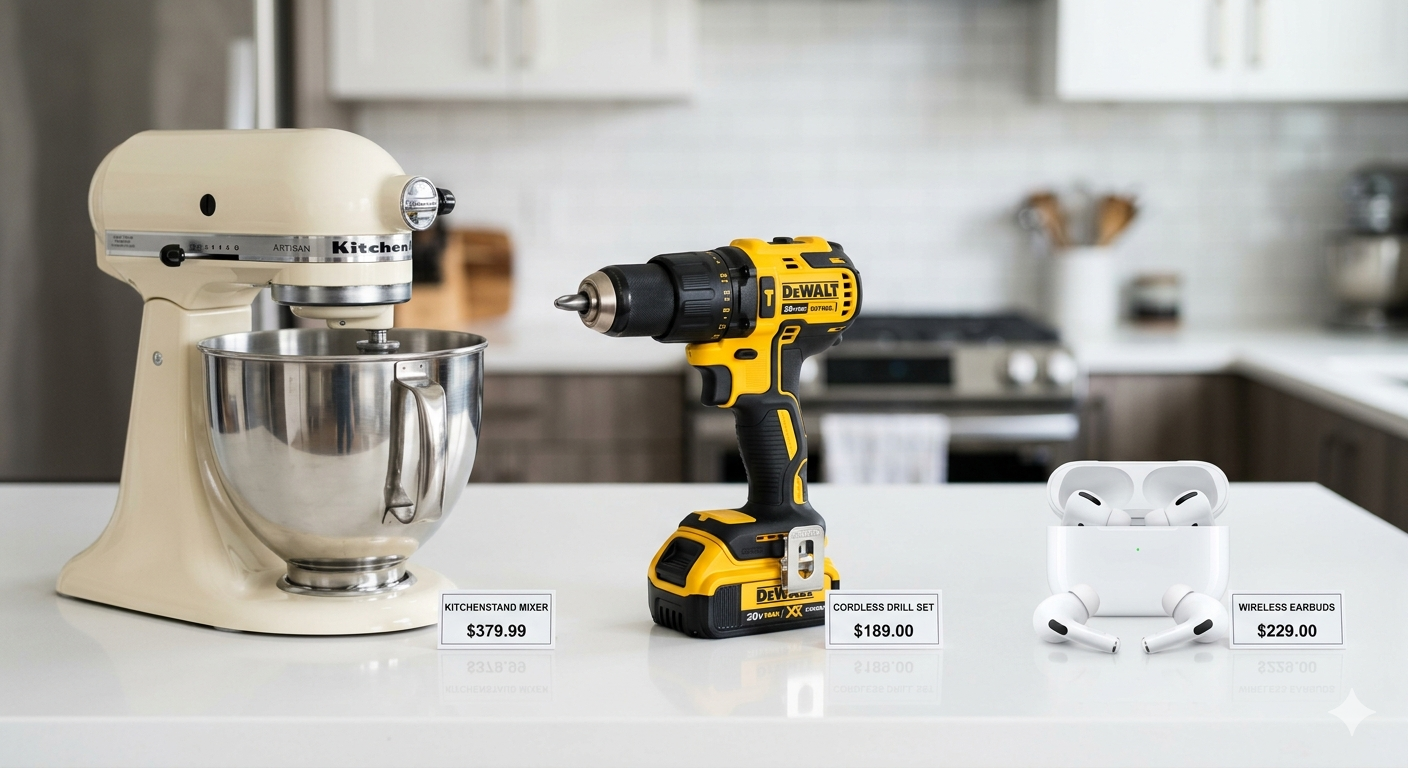
Connected product ROI varies by industry. Appliances win on aftermarket. Tools win on consumables. Electronics win on support deflection. Detailed benchmarks included.

Scan rates are vanity metrics. Here are the KPIs that tell you whether your connected product programme is generating return or just generating activity.

Most manufacturers treat aftersales as cost containment. Here's the 4-phase playbook to transform it into your highest-margin revenue channel.
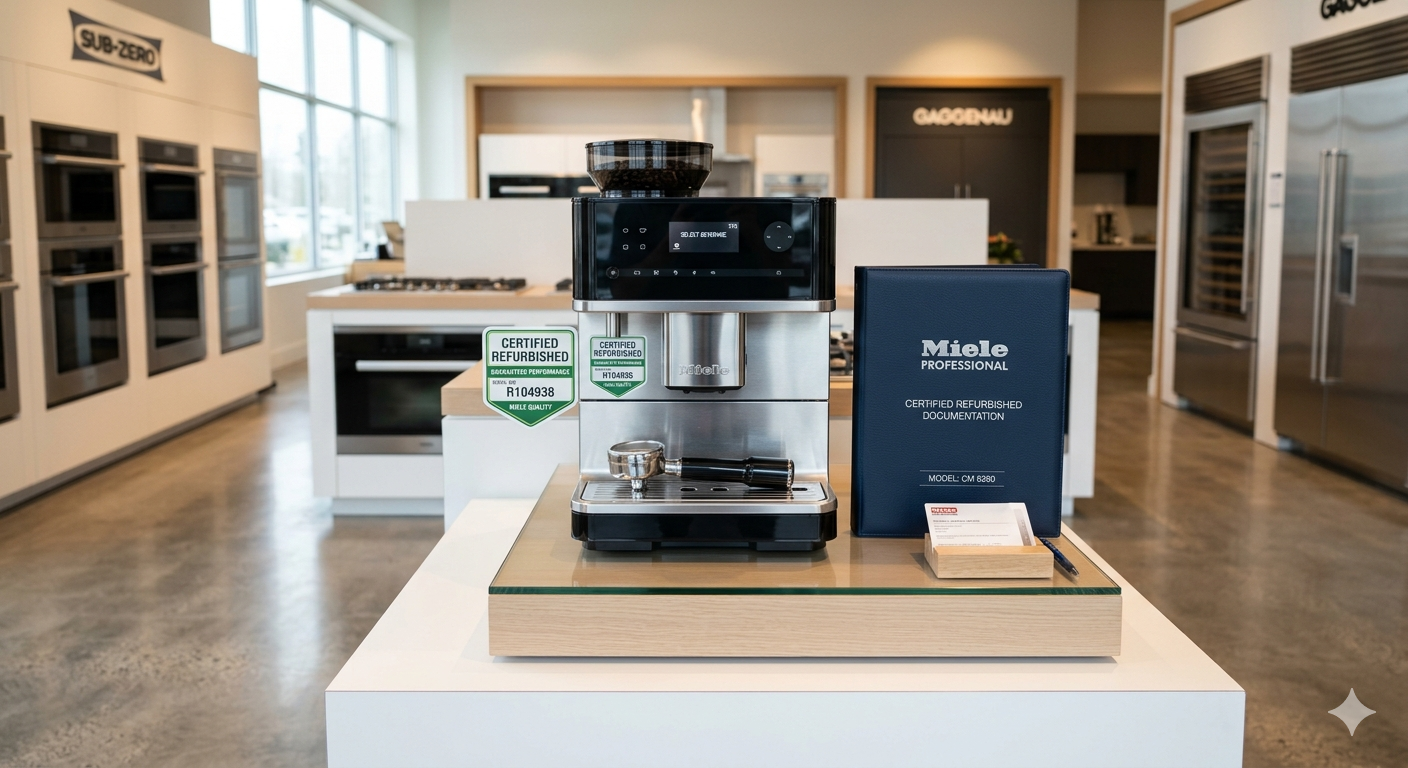
Automotive CPO proved resale is a revenue stream. Here is how manufacturers can build the same programme using digital product identity.

Your team can build any single feature. They're wrong about the compound complexity of building them all — and maintaining them forever.

Consumer brands focus on unboxing and loyalty. B2B needs installer certification, field service, and maintenance scheduling. Same platform, different playbooks.
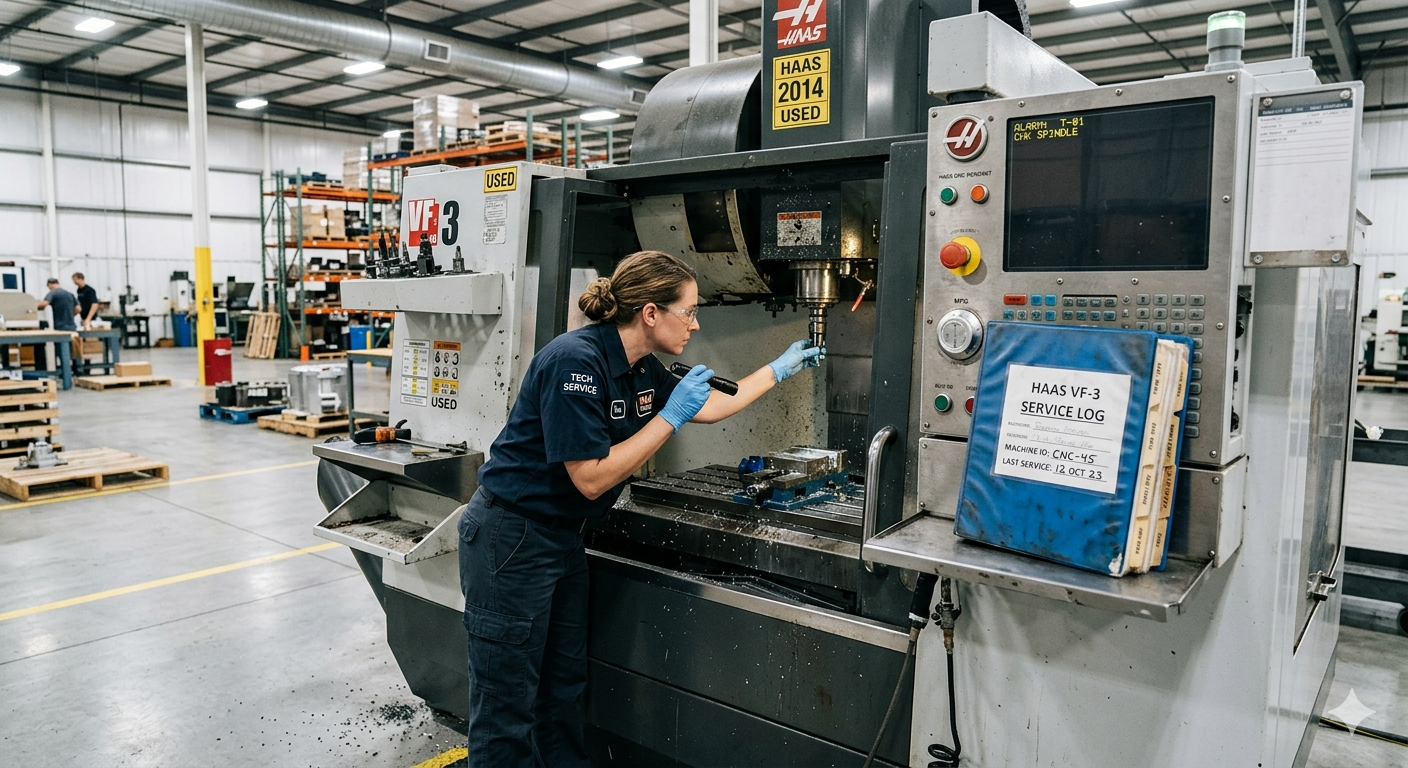
The UK used commercial equipment market tops GBP 15 billion. Without verifiable service history, sellers lose value. Digital identity fixes that.

Physical products are frozen at manufacture. Software iterates in seconds. The scan page bridges the gap — turning static products into living, improving experiences.

The 7 questions smart manufacturers ask before buying connected product software — with honest answers, not the sales pitch.

Five aftermarket revenue streams in your product scans: spare parts, warranties, accessories, service plans, trade-ins. Margin math and conversion benchmarks.
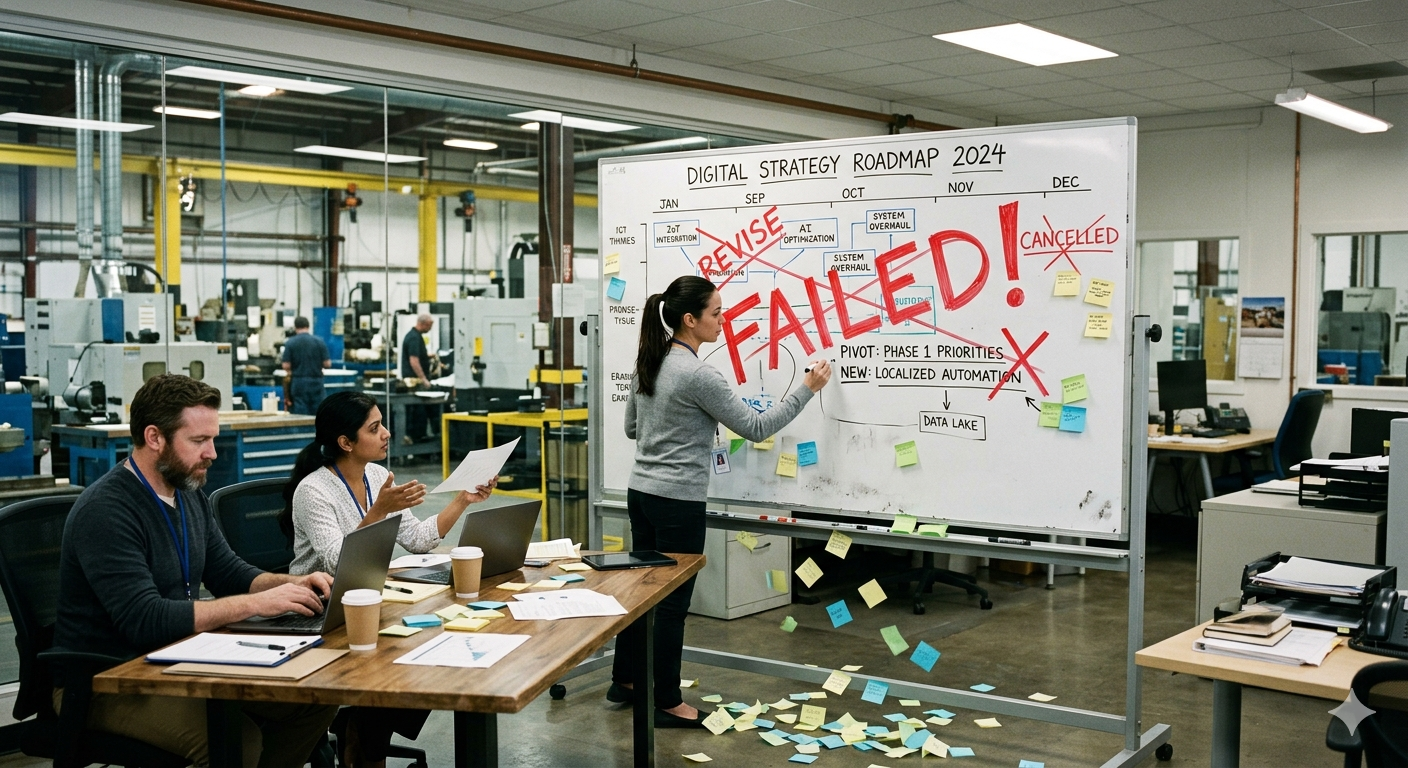
Most manufacturers digitise post-sale in the wrong order. Here are five common mistakes — and the fixes that actually work.

AI messaging triggered by a product scan beats 'Hello {first_name}' by every metric. Here's how in-the-moment signals change the game for physical products.
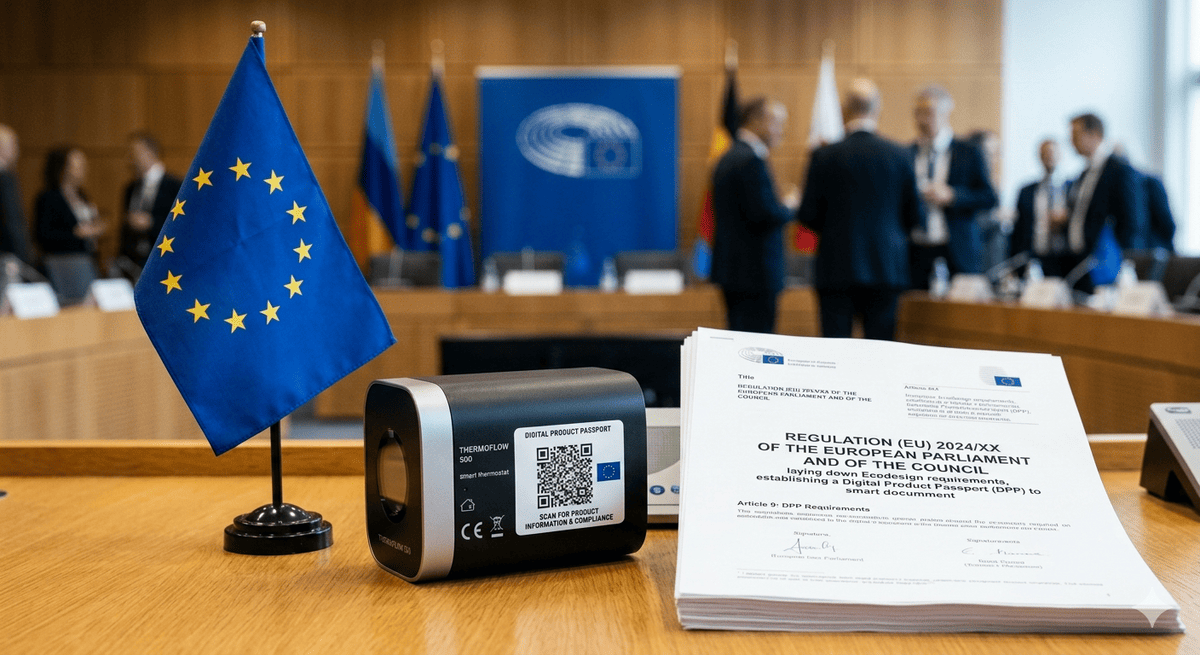
The EU Digital Product Passport mandate is arriving faster than most manufacturers expect. Here's what to know about timelines, data requirements, and compliance steps.

The traditional barcode is being replaced. By end of 2027, all retailers must accept 2D barcodes at POS. Here's what GS1 Sunrise 2027 means for your packaging strategy.

Third-party cookies are gone. Connected packaging is your most direct, privacy-compliant route to first-party data — captured at the moment someone holds your product.

Counterfeiting costs brands hundreds of billions every year. QR code authentication through connected packaging lets consumers verify products — and protects your brand.

QR codes vs NFC tags for connected packaging — cost, scan friction, consumer behavior, and when to use both. An honest comparison to help you decide.

Blue Bite, Scantrust, Brij, Digimarc, or BrandedMark? An honest comparison of the leading connected packaging platforms to help you choose the right fit.

Connected packaging mistakes can derail a launch. This checklist distills lessons from real brand failures into a step-by-step guide for connected packaging success.
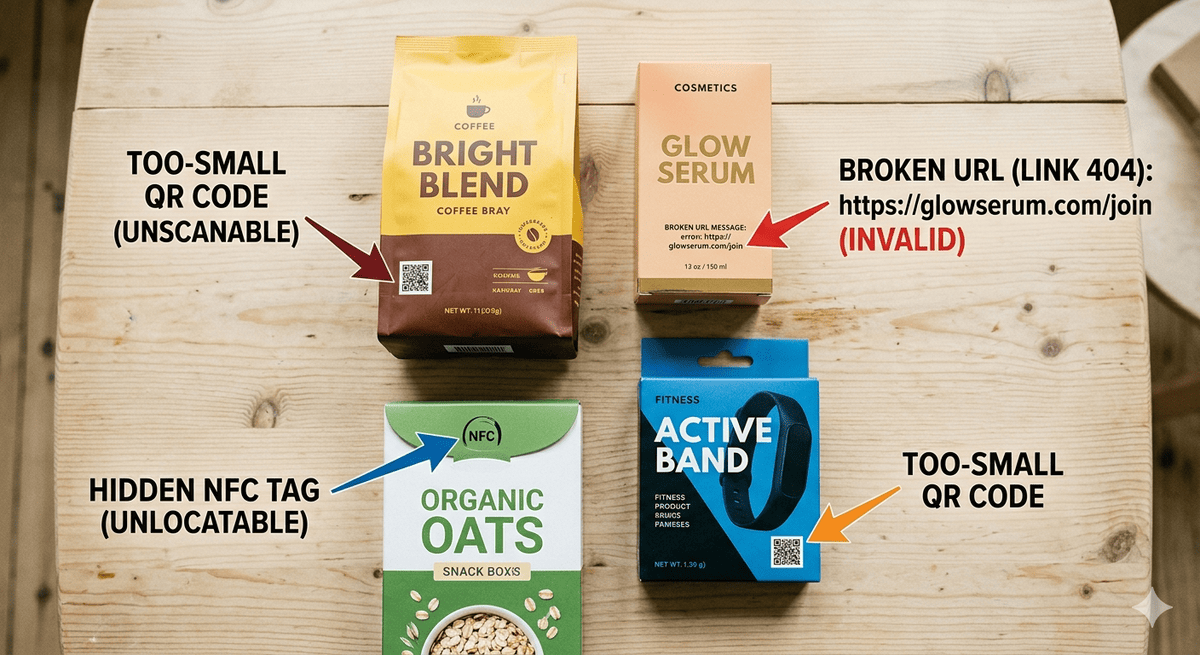
Broken QR codes. Confusing landing pages. Mobile-hostile experiences. Major brands are botching digital packaging — and their failures are your competitive advantage.

The DIY repair movement is exploding. Brands that provide parts, guides, and tools build stronger loyalty and reduce returns. Here's how to get ahead of it.
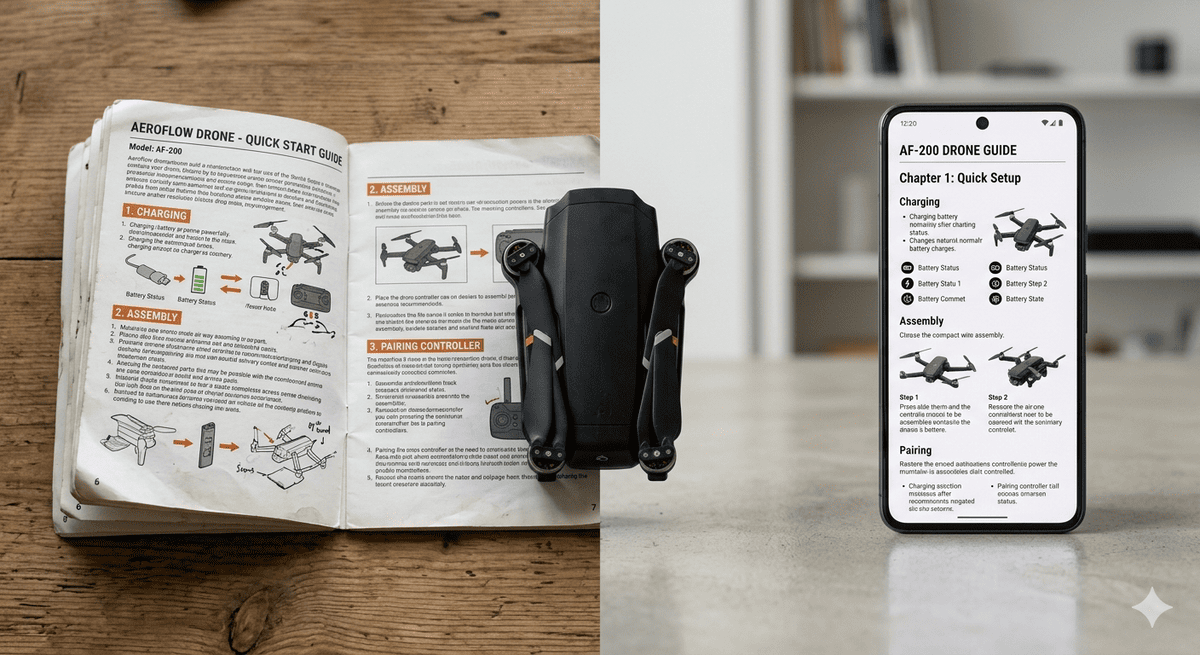
Paper manuals are relics. Digital manuals with search, video, AR, and AI assistance transform customer experience and cut support costs. The complete guide to switching.

Cryptic error codes flood support lines and destroy satisfaction scores. Smart brands build searchable error databases and self-service flows that resolve issues fast.

Customers who build something themselves value it more. The IKEA Effect explains why assembly drives brand loyalty — and how smart brands apply this.

IoT devices fail. When your connected products go dark, transparent communication and graceful fallbacks separate great brands from PR disasters — your crisis playbook.

Consumers want to know what they're buying. Brands that reveal their materials, sourcing, and component quality don't just build trust — they command premium pricing.

The first 30 seconds of a support interaction determine everything. AI agents and smart support flows that respond instantly can transform satisfaction and slash costs.

Customers who have a great returns experience become your most loyal buyers. Stop treating returns as cost centers — here's how to turn them into a loyalty engine.
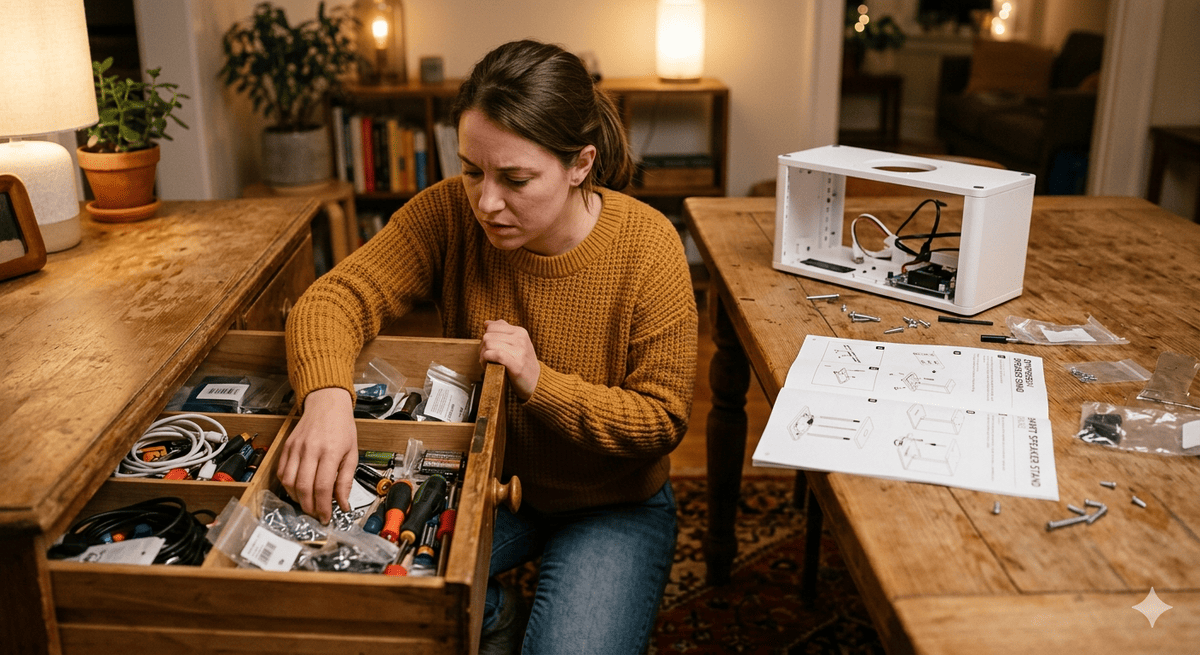
A single missing screw turns product excitement into customer rage and a 1-star review. Smart brands fix the missing parts problem before it reaches the unboxing moment.

Your unboxing experience shapes the entire customer relationship. How to design packaging that delights customers, earns social shares, and drives repeat purchases.

The sale is just the beginning. These post-sale engagement strategies increase loyalty, drive repeat revenue, and turn customers into advocates who do.

Most AI chatbots infuriate customers. LLM-powered agents actually understand problems and resolve them — here's how to implement AI customer support that works.
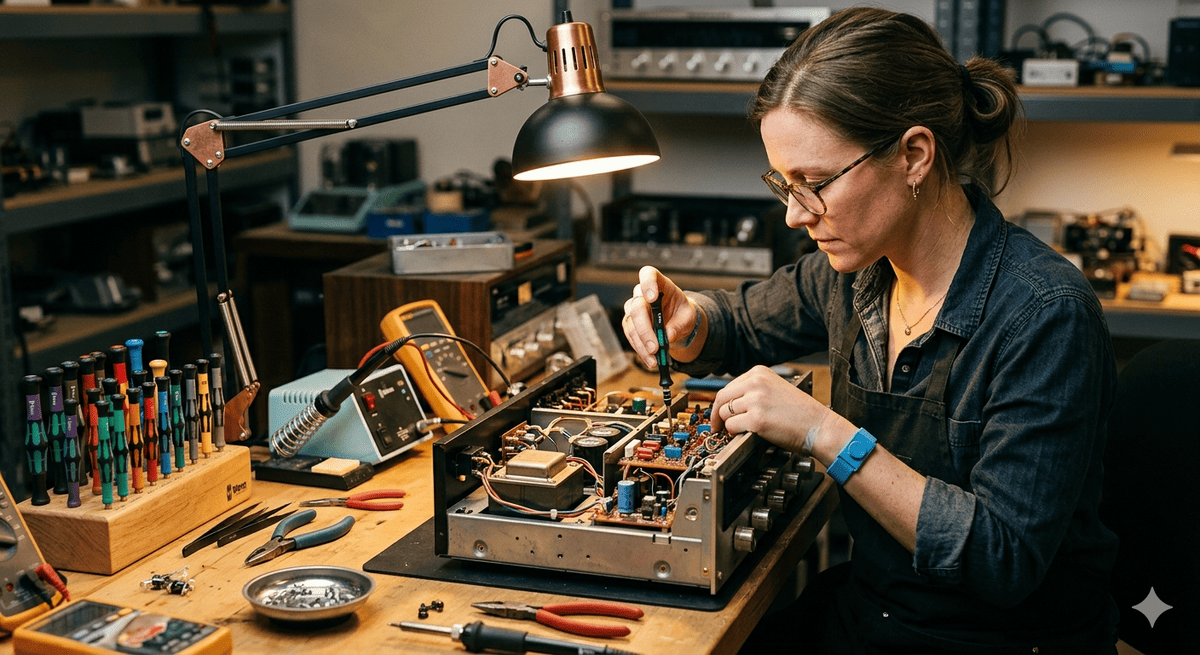
Right to repair laws are reshaping manufacturing. Smart brands are turning repairability into a competitive advantage — not just a compliance checkbox.

Companies spend millions printing multilingual manuals that customers throw away unread. Digital manuals cut costs, update in real time, and actually get.

The sale is the easy part. The post-purchase journey is where loyalty is won or lost — map and optimize these critical hidden touchpoints before your competitors do.

Dyson's product app has a 1.2-star rating. That's not bad luck — it's what product-specific apps do. Here's why they fail and what smart brands build instead.
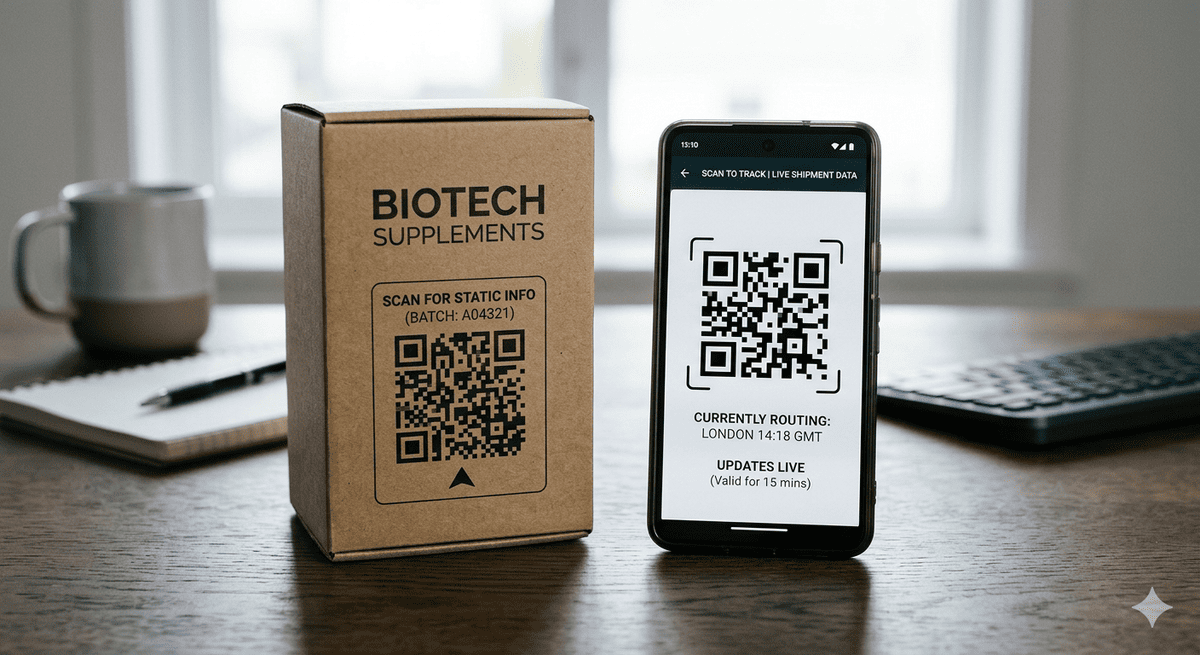
Static QR codes lock you into outdated content forever. Dynamic QR codes let you update, track, and optimize post-purchase experiences. The difference is.

Traditional recalls miss 70% of affected customers. Connected products and direct customer relationships transform product recalls from PR disasters into.

The global spare parts market is worth $4.2 trillion. Most manufacturers capture less than 3% of it. Here's how to stop the aftermarket revenue leaking to third parties.

Paper warranty cards are dead. Digital warranty registration — done in under 60 seconds — unlocks direct customer relationships, service revenue, and recall resilience.

International connected packaging is harder than translation. The real challenges: localization, GS1 Digital Link, EU DPP compliance, and routing infrastructure.

Brand experience doesn't end at checkout. Post-purchase touchpoints turn one-time buyers into lifelong customers — with real examples from Apple, Tesla, and Dyson.