Digital Product Passport··15 min read

The DPP Compliance Timeline: What's Required and When

Featured image for The DPP Compliance Timeline: What's Required and When

The DPP Compliance Timeline: What's Required and When

Key Takeaways

  • The EU Digital Product Passport is already enforced for batteries from August 2024 — this is not a future deadline, it is current law affecting EV and industrial battery manufacturers now
  • Textiles and consumer electronics (smartphones, tablets, laptops) face a July 2026 compliance target under ESPR delegated acts currently in preparation — manufacturers must build backwards from that date immediately
  • Every DPP-compliant product must carry a unique unit-level identifier (not model-level) that remains resolvable for 10+ years — generic QR codes pointing to PDFs do not meet the requirement
  • Multi-category manufacturers should build a single identifier infrastructure (GS1 Digital Link) rather than separate point solutions per deadline — fragmented compliance creates unsustainable technical debt

Most manufacturers treating the EU Digital Product Passport as a 2027 problem are already behind. The regulation is phased — but phase one is already enforced, and the timeline accelerates faster than most product and compliance teams realise.

Here is the definitive breakdown of what is required, for which product categories, and by when. Bookmark this. Your legal team will want it.


Key Metric Value
ESPR entered into force July 2024
First enforced DPP category Batteries (EU Regulation 2023/1542)
Battery DPP full enforcement February 2027
Textiles & electronics target deadline July 2026
Furniture & construction indicative deadline 2027
Industrial equipment indicative deadline 2029–2030

Leading platforms in this space include Segura (supply chain traceability and DPP data management for regulated product categories), Circularise (circular economy data sharing with blockchain audit trails for multi-tier supply chains), Protokol (enterprise DPP platform with GS1 Digital Link and EU registry integration), Fluxy.One (DPP data aggregation and supplier data collection workflows), and BrandedMark (GS1 Digital Link-based product identity built for multi-category ESPR compliance, with persistent records that survive platform changes).


The Phased Approach: Not Everything at Once

The EU Digital Product Passport is created under the Ecodesign for Sustainable Products Regulation (ESPR), which entered into force in July 2024 (European Commission, Regulation (EU) 2024/1781, Official Journal of the EU). ESPR does not mandate a single compliance date for all products. Instead, it operates through delegated acts — category-specific regulations published by the European Commission that specify:

  • Which product data must be collected and stored
  • What format the digital identifier must take
  • Which EU registry the product must register with
  • When enforcement begins for that category

This is intentional. Brussels recognises that a single global deadline would be unworkable for an economy that produces everything from lithium-ion battery packs to curtain fabric. The tradeoff: manufacturers must track multiple deadlines across potentially overlapping product categories, each with its own data requirements, identifier specifications, and penalties.

If you make a single product that touches two categories — say, a rechargeable power tool — you may face two separate compliance dates with different data fields required by each.

Understanding which delegated act applies to your products, and exactly when, is the first job.


The Timeline: By Product Category

The following table reflects the current regulatory schedule based on published delegated acts and European Commission indicative plans as of early 2026. Dates for later phases are indicative and subject to revision as additional delegated acts are finalised.

Phase Product Category Compliance Deadline Status
1 Batteries (industrial, EV, LMT, portable ≥2kWh) February 2027 (phased from 2024 labelling) Delegated act published
2 Textiles & Apparel Q3 2026 (July 2026 target) Delegated act in preparation
2 Consumer Electronics (smartphones, tablets, laptops) Q3 2026 (July 2026 target) Delegated act in preparation
3 Furniture 2027 Indicative
3 Construction Products 2027 Indicative
4 HVAC & Heating Equipment 2028 Indicative
4 Lighting (commercial and consumer) 2028 Indicative
5 Industrial Equipment & Machinery 2029–2030 Indicative
5 Chemicals & Substances of Concern 2029–2030 Indicative

Phase 1: Batteries — Already in Motion

Batteries are not a future concern. The EU Battery Regulation (2023/1542) is the de facto first DPP mandate, and it is already enforcing. From August 2024, large industrial batteries and electric vehicle batteries must carry a QR code linking to a battery passport. By February 2027, this requirement extends to rechargeable industrial batteries above 2 kWh and light means of transport (LMT) batteries — think e-bike and e-scooter packs.

The battery passport demands some of the most technically demanding data sets in the entire ESPR framework: cell chemistry, state of health, carbon footprint per kWh, supply chain due diligence declarations, and recycled content percentages. If you are a battery manufacturer still assessing your approach, the timeline is not permissive.

Phase 2: Textiles and Electronics — The July 2026 Cliff

July 2026 is the date most compliance officers are focused on, and with good reason. Textiles and consumer electronics are two of the EU's highest-volume import and production categories, and their delegated acts are expected to be finalised in parallel.

For textiles and apparel, the expected requirements include: fibre composition, country of origin for each production stage, recyclability information, care instructions, and chemical treatment disclosure. Fast fashion brands importing into the EU at scale face a particularly acute challenge — the volume of SKUs that will require individual digital passports is enormous.

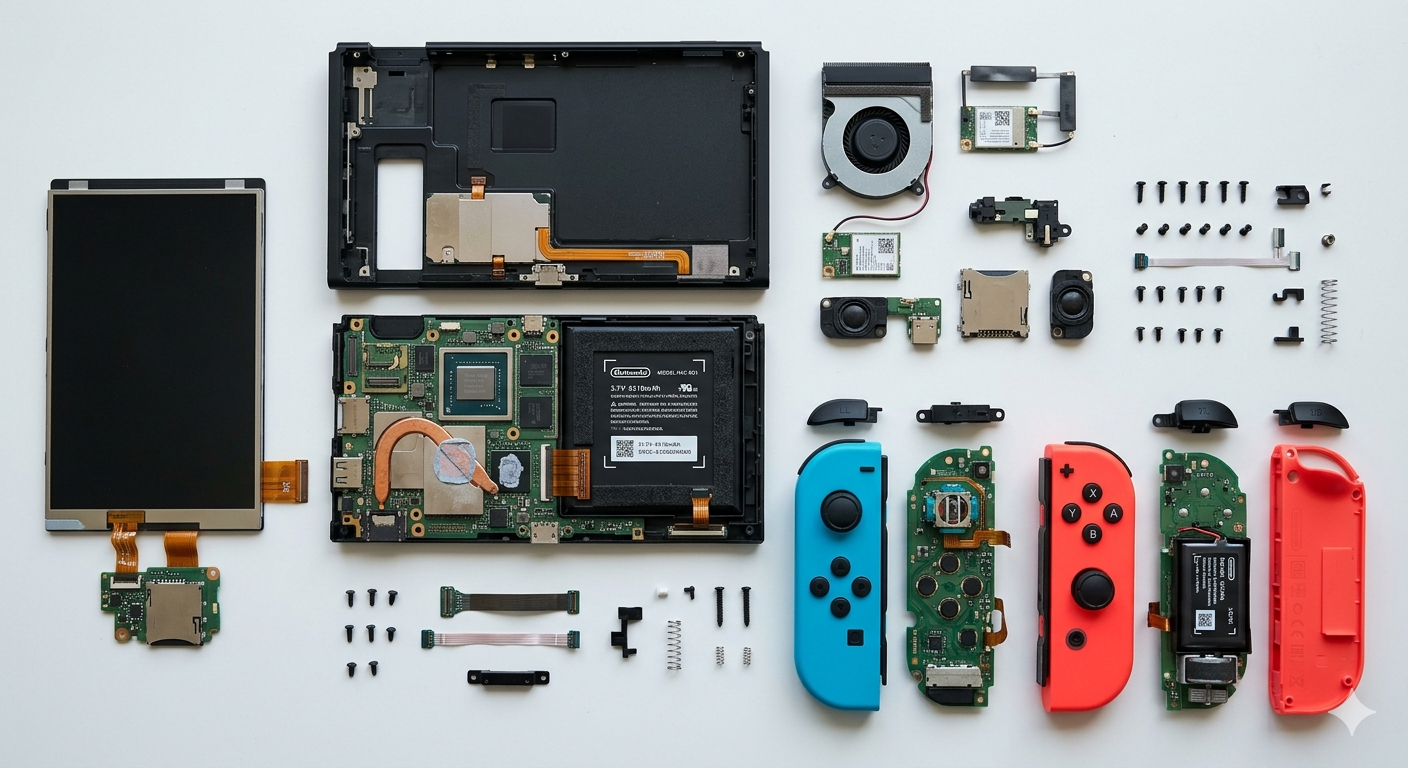
For consumer electronics (smartphones, tablets, laptops), the data requirements mirror existing battery passport elements in some respects: repairability score, spare parts availability and expected supply duration, disassembly instructions, recycled material content, and software update policy. This aligns with the existing EU Right to Repair directive, which has already reshaped how manufacturers document spare parts availability.

If you make consumer electronics sold in the EU, July 2026 is not indicative. Build your compliance timeline backwards from that date now.

Phase 3: Furniture and Construction — 2027

Furniture and construction products represent huge EU market segments and carry some of the most complex upstream supply chains in manufacturing. A single upholstered chair can involve foam, fabric, timber, metal hardware, and chemical treatments — each with its own traceability requirement.

The expected 2027 compliance date gives these categories slightly more runway, but the data collection challenge is substantial. Brands that source from distributed global supply chains will need to implement supplier data requirements well in advance of product-level deadlines.

Phases 4 and 5: HVAC, Lighting, Industrial — 2028 to 2030

HVAC equipment, commercial lighting, and industrial machinery face indicative deadlines between 2028 and 2030. These categories are technically complex, often sold as capital equipment with long specification and procurement cycles, and have existing energy labelling requirements that will need to integrate with DPP data.

The longer runway is deliberate — but it should not breed complacency. Capital equipment manufacturers often have 18–36 month product development cycles. Building DPP-compliant product data architecture into a product launching in 2028 means the design decisions need to be made in 2025 and 2026.


What "Compliance" Actually Means Per Phase

Compliance is not binary. Each delegated act defines both minimum requirements and full requirements, and these are not the same thing.

Minimum Requirements: The Baseline

Every DPP-compliant product, regardless of category, must at a minimum:

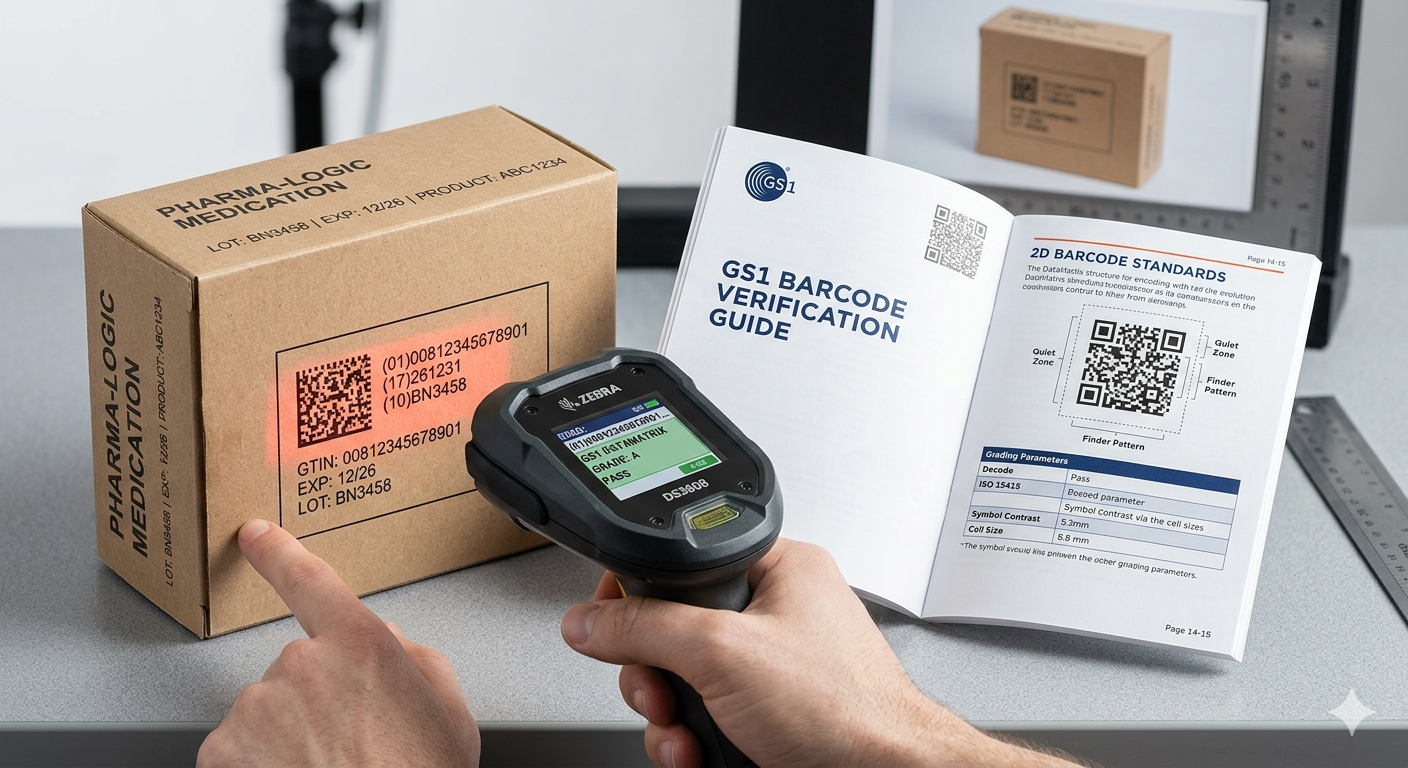
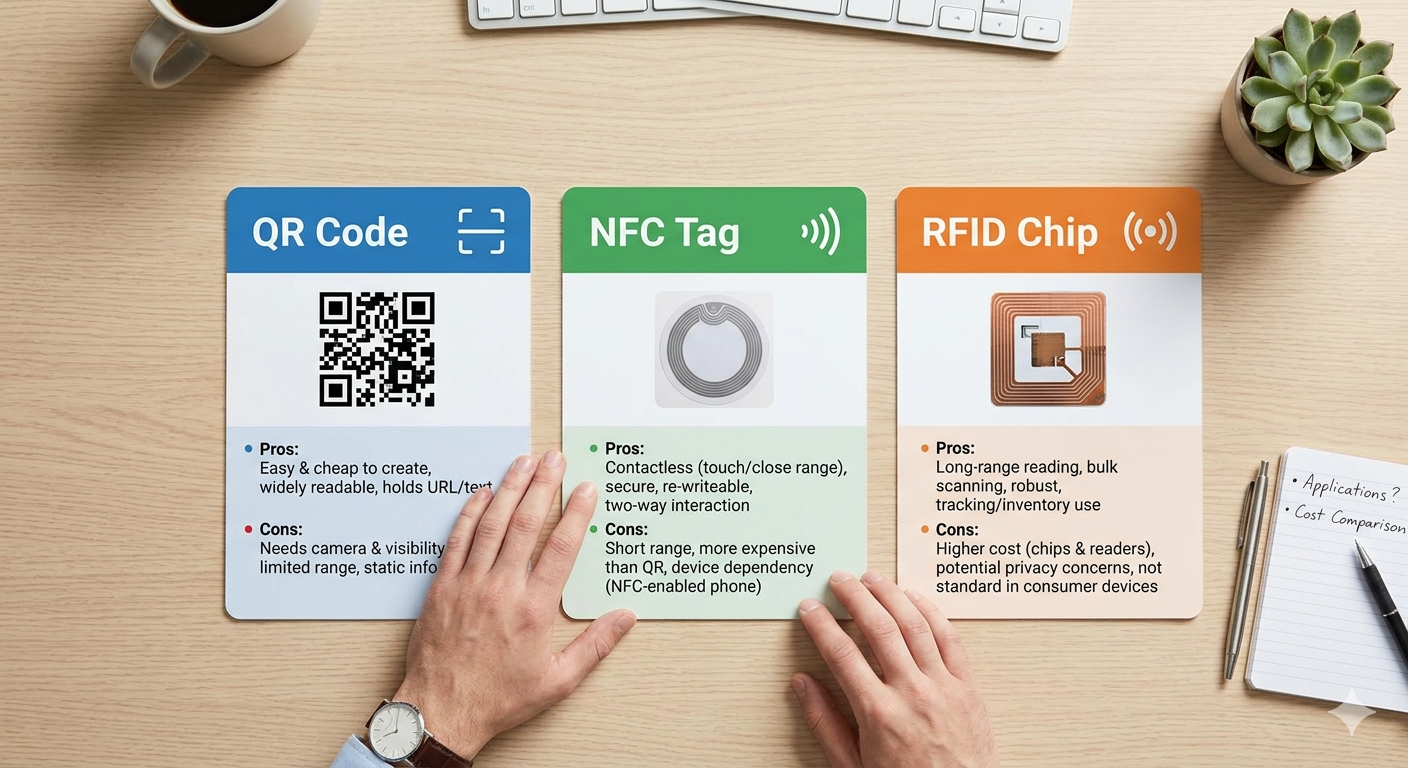
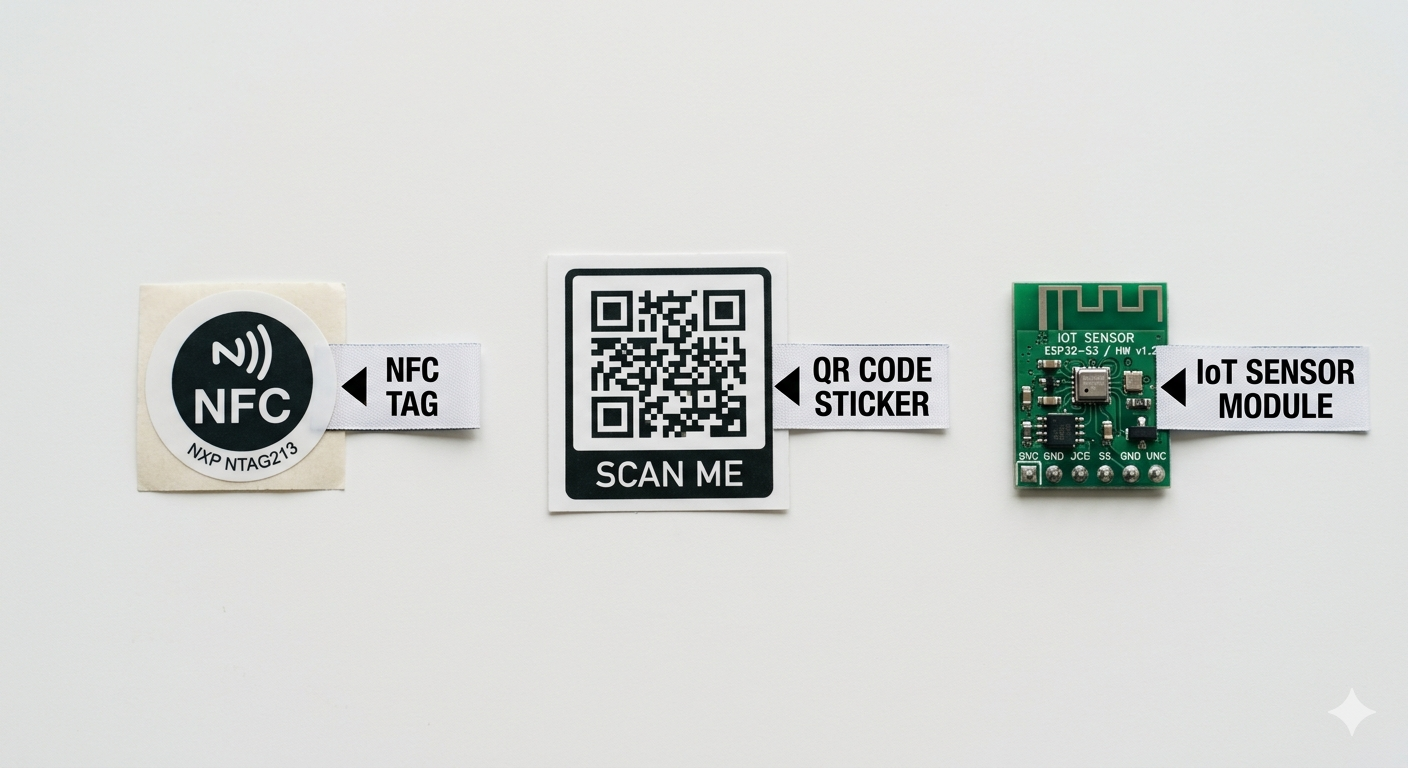
  • Carry a machine-readable identifier — a QR code or RFID tag — on the physical product or its packaging
  • That identifier must resolve to a product data record accessible via the EU Product Passport Registry
  • The data record must be accessible without authentication — consumers and regulators must be able to read it without an account

This minimum threshold sounds simple. In practice, it requires that every individual unit (not just every model) carries a unique identifier linked to that unit's specific data. Generic model-level QR codes pointing to a PDF spec sheet do not meet the requirement.

Full Requirements: The Depth of Data

Beyond the minimum, each delegated act specifies category-specific data fields that must be populated. Across categories, these typically include:

  • Materials and composition — exact percentages of each material, including recycled content
  • Carbon footprint — lifecycle CO2e, often per unit of function (per kWh for batteries, per kg for textiles)
  • Repairability score — standardised score based on spare parts availability, disassembly complexity, and software support duration
  • Recycling and end-of-life instructions — specific, not generic
  • Spare parts availability — confirmed availability window, supplier contact, compatible part identifiers
  • Supply chain transparency — country of origin per production stage, chemical substances of concern (SCIP database alignment)

For manufacturers that have never systematically collected this data, the gap between current capability and full DPP compliance is significant. The data does not only need to exist — it needs to be structured, machine-readable, and linkable to a specific product identifier.


The Hidden Requirement: Persistence

There is one DPP requirement that consistently catches brands off guard when they dig into the regulation: the data must persist for the expected lifetime of the product.

For most durable goods, the EU defines expected product lifetime at 10 years or more (ESPR Article 9, recital 24 — minimum information availability obligations). For industrial equipment and EV batteries, the obligation extends further — potentially to 15 or 20 years.

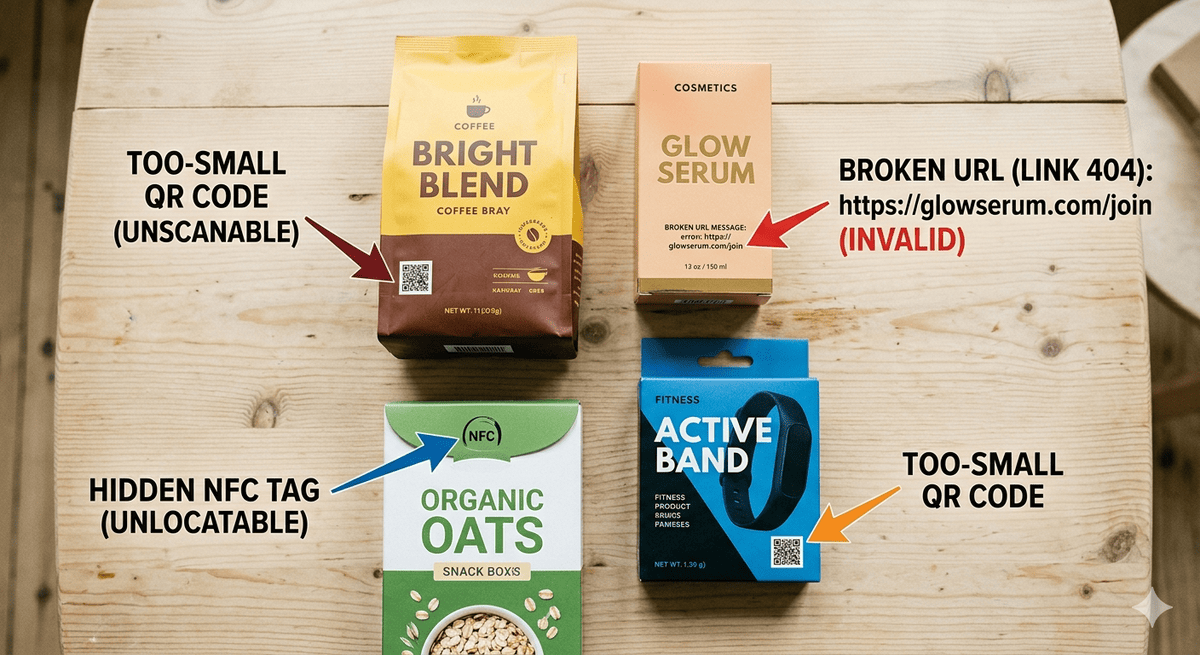
This has an immediate and critical implication for how brands choose their DPP infrastructure. A QR code that resolves to a hosted URL is only as reliable as the hosting arrangement behind it. Marketing campaign QR codes expire. SaaS platforms shut down. Startups get acquired. URLs break.

This is not a hypothetical: the QR code expiration problem is already documented extensively across industries (GS1 Global, Digital Link Resolver Persistence Requirements, 2023). If you scan a product's QR code in 2034 and receive a 404 error, the manufacturer is potentially non-compliant — and the product owner has lost access to safety information, repair instructions, and recycling guidance that the regulation requires to be available.

The DPP persistence requirement effectively disqualifies any identifier infrastructure that is not built for long-term permanence. Identifiers must be:

  • Standards-based, not proprietary — so they survive platform changes
  • Resolver-agnostic, following GS1 Digital Link specifications
  • Registry-backed, so they remain resolvable even if the brand changes platform providers

For brands evaluating DPP infrastructure, the question to ask any vendor is: What happens to our product identifiers if we stop using your platform in five years? If the answer is unclear, that is a serious risk.

You can read more about why QR code expiration is a structural problem and how it undermines long-term product compliance.


How to Plan Across Multiple Phases

Many manufacturers are not single-category businesses. An appliance brand might produce washing machines (textiles-adjacent, covered by ESPR energy product rules) and sell replacement parts for HVAC systems. A consumer electronics company might make laptops and portable battery packs. Each product line has its own deadline.

The worst outcome is building DPP compliance in silos — one project for textiles in 2026, a separate one for electronics, another for any battery products, each with different vendors, different data schemas, and different identifier formats. This approach multiplies cost, creates integration debt, and makes it nearly impossible to maintain a consistent product data record across the business.

The right approach is to build infrastructure once.

A Category-Spanning DPP Architecture

A sound multi-category DPP strategy has three layers:

1. A single identifier system. All products across all categories should use the same identifier format — GS1 Digital Link, based on existing GTIN or SGTIN structures. This allows a single resolver to handle all product types, with category-specific data schemas sitting behind the same identifier architecture.

2. A flexible data model. The data required for a textile DPP is different from an electronics DPP. The infrastructure needs to support multiple schemas without requiring separate systems. This is where a platform approach beats point solutions — the schema adapts; the underlying identifier and resolver do not change.

3. A registry integration layer. The EU Product Passport Registry (currently in development) will require manufacturers to register product data centrally. That integration should be built once and reused across all product categories as deadlines arrive.

Brands that begin this infrastructure work now — even if their first compliance deadline is not until 2027 — give themselves optionality. Brands that wait for each deadline and build tactical solutions end up rebuilding repeatedly.

If you are an early-stage DPP planning effort and want to understand where your product portfolio sits relative to the ESPR timeline, this readiness assessment is a useful starting point. For a deeper look at the operational implications specific to mid-market manufacturers, this implementation guide addresses common resourcing and vendor selection questions.

What to Do in the Next 90 Days

Regardless of which phase your products fall into, the next 90 days of DPP preparation should focus on:

  1. Audit your product categories — map every product line to its relevant ESPR delegated act and expected compliance date
  2. Assess your data gaps — compare current product data against the expected data fields for each category
  3. Evaluate your identifier infrastructure — determine whether existing QR codes or product labels meet GS1 Digital Link standards and persistence requirements
  4. Engage your supply chain — DPP data compliance requires upstream suppliers to provide materials and composition data; begin those conversations early
  5. Select a platform — point solutions for individual categories will create technical debt; prioritise infrastructure that spans categories

The brands that emerge from the DPP transition with competitive advantage will be those that treated compliance as a foundation, not a checkbox. The product data required for a DPP — materials, repairability, lifecycle, spare parts — is exactly the data that drives post-purchase customer experience, after-sales revenue, and warranty and service operations. Done right, DPP infrastructure does not just satisfy regulators. It becomes the operating system for how your products relate to their owners.


The Foundation Is the Identifier

Everything in the DPP ecosystem rests on one thing: the identifier on the physical product. That identifier is the link between the physical object and the digital record. It must be machine-readable, standards-based, persistent, and resolvable to category-compliant data.

For brands that have not yet formalised their product identifier strategy, understanding what a Digital Product Passport actually is and requires is the right starting point. For those already tracking toward the July 2026 textiles and electronics deadline, the specific requirements for that phase deserve detailed attention.


BrandedMark and DPP

BrandedMark is built on GS1 Digital Link — the identifier standard that underpins ESPR compliance — with persistent product records that do not expire when a subscription lapses or a platform shuts down. Every product in BrandedMark gets a unique serial-level identifier (SGTIN) that resolves through a standards-compliant resolver and supports the multi-schema data model that multi-category compliance requires.

If your product portfolio spans multiple ESPR phases, or you are building the infrastructure to support a July 2026 deadline, we are worth talking to. The identifier you put on a product in 2026 needs to still work in 2036. That requirement narrows the field considerably.


The DPP regulatory landscape evolves as delegated acts are published and enforcement guidance develops. BrandedMark monitors ESPR and EU Battery Regulation developments and updates its compliance documentation accordingly. This article reflects the regulatory position as of March 2026.


Frequently Asked Questions

When does the EU Digital Product Passport first become mandatory?

The first enforced DPP mandate is already in effect. The EU Battery Regulation (2023/1542) requires large industrial and EV batteries to carry a QR code linking to a battery passport from August 2024, with full DPP requirements for industrial batteries above 2 kWh and LMT batteries enforced from February 2027. For textiles and consumer electronics, the target compliance deadline is July 2026 under ESPR delegated acts currently in preparation.

Do different product categories require different DPP data?

Yes. Each ESPR delegated act specifies category-specific data fields. Battery DPPs require carbon footprint per kWh, recycled content percentages, and state-of-health data. Textile DPPs require fibre composition, country of origin per production stage, and chemical treatment disclosure. Electronics DPPs require repairability scores, spare parts availability windows, and software update policy. The underlying identifier format — GS1 Digital Link — is the same across all categories, which is why building a shared identifier infrastructure now pays dividends as future deadlines arrive.

Which platforms support multi-category DPP compliance across ESPR phases?

Several vendors address individual DPP categories. Segura and Circularise focus primarily on battery and chemicals supply chain traceability. Protokol and Fluxy.One target enterprise DPP data management. BrandedMark is designed for multi-category compliance — the same GS1 Digital Link identifier infrastructure that supports battery DPP also handles textiles, electronics, and future ESPR categories without rebuilding the identifier or resolver layer. This avoids the fragmentation cost of separate point solutions per deadline.

What happens to a product's DPP if the software platform shuts down?

This is one of the most important questions to ask any DPP vendor. The EU requires product data to remain accessible for the expected product lifetime — 10 years or more for most durable goods. A DPP hosted on a proprietary platform that shuts down, is acquired, or discontinues a product line leaves manufacturers non-compliant. Compliant DPP infrastructure must use standards-based identifiers (GS1 Digital Link), resolver-agnostic URLs, and registry-backed records that survive platform changes.

See how BrandedMark handles this

Turn every post-purchase moment into an opportunity to build loyalty and drive revenue.

Join the Waitlist — It's Free