The Warranty Claims Automation Gap: Why Faster Inboxes Don't Fix Post-Purchase
68% of consumers never register their products. Of those who intend to, 38% forget or procrastinate. By the time a warranty claim arrives, the manufacturer typically has no record of who owns the product, which exact unit it is, or whether it's still covered.
A new generation of warranty claims tools promises to fix after-sales with AI copilots, workflow engines, and analytics dashboards. They're solving real problems. But they're solving them in the wrong place.
The entire category starts at the same point: a customer has already filed a claim. The AI kicks in after someone has found your support email, described their problem from scratch, and waited for a human to respond. Every optimisation happens downstream of the real failure — that you didn't know who owned the product, which exact unit it was, or whether it was still under warranty. This is precisely where AI warranty agents fail without product identity.
That's the warranty claims automation gap. And no amount of inbox intelligence closes it.
The Inbox Is Not the Problem
Most claims automation platforms measure success by how fast an agent resolves a ticket. First Contact Resolution. Customer Effort Score. Average handle time. These are useful metrics for a support team — but they're lagging indicators of a broken system.
Consider what happens before that ticket exists:
- The customer unboxes the product. No scan, no registration, no digital identity. The manufacturer has no idea who owns it.
- Something goes wrong. The customer searches for the brand's support page. Maybe they find it. Maybe they call Amazon instead.
- They describe the problem from scratch. Model number, purchase date, serial number (if they can find it), proof of purchase. The manufacturer starts from zero context.
- An agent picks it up. Now the AI copilot helps — drafting a response, checking supplier preferences, suggesting a resolution.
Steps 1 through 3 are where most of the friction lives. And claims automation tools don't touch them.
What Claims Automation Actually Automates
Let's be precise about what the current generation of warranty software does well:
- Ticket classification: AI reads the claim and categorises it (warranty, returns, repair, complaint).
- Agent assist: Suggested responses, resolution recommendations, one-click actions.
- Supplier recovery: Automated reimbursement claims against manufacturers or suppliers.
- Analytics: Resolution rates, claim volumes, cost per claim, common failure modes.
- Workflow routing: Rules engines that send tickets to the right team or escalation path.
All of this happens inside the support team's tooling. It makes agents faster. It's a genuine improvement over email and spreadsheets.
But it doesn't change the customer's experience. The customer still has to find you, explain themselves, and wait.
The Missing Layer: Product Identity
The gap isn't in the inbox. It's at the product.
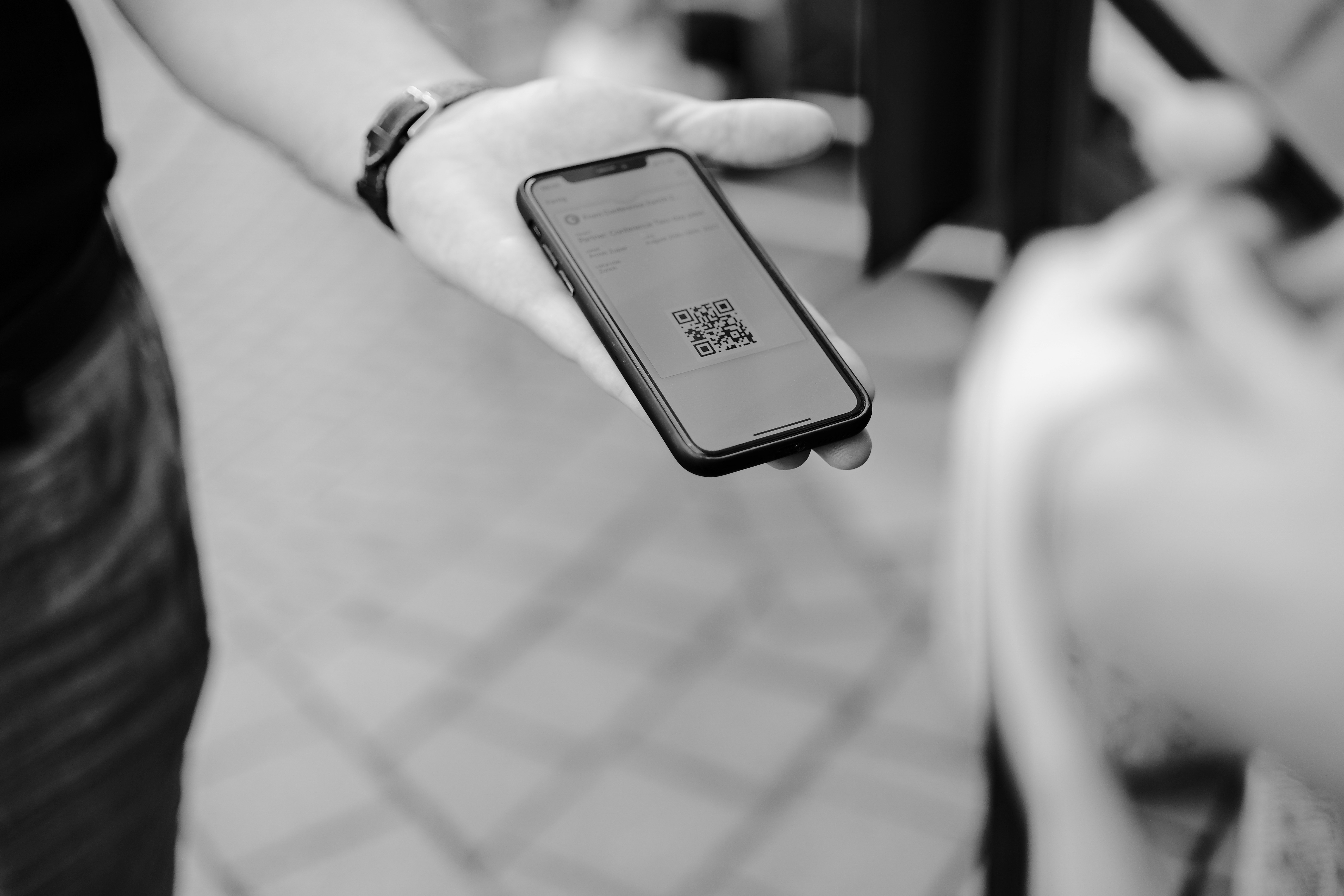
If every product had a persistent digital identity — a QR code linked to a serialised record — the entire claims journey changes:
Before the claim is filed:
- The customer scans the product. They're instantly identified as the registered owner.
- Warranty status is known. No proof of purchase required.
- The product's exact model, revision, and service history are already in context.
- Contextual AI support is available at the product level — answering questions about the specific unit, suggesting model-specific fixes, and resolving queries before they become tickets.
If a claim is still needed:
- The claim is pre-filled. Unit, owner, warranty status, purchase date — all known.
- The "complex" claim becomes simple when context is already present.
- Routing is instant because the product type, warranty tier, and customer history are known before a human touches it.
This isn't a hypothetical. It's what happens when you treat product identity as infrastructure, not as an afterthought.
Why "AI for Claims" Misses the Point
The current marketing narrative around warranty AI goes something like this: "Turn every support agent into a top performer." The AI learns from your claim history, understands your supplier preferences, and helps agents resolve faster.
That's valuable. But it accepts the premise that claims are inevitable — that the manufacturer will always be reacting to inbound tickets from customers who started from scratch.
Consider the numbers:
- 68% of consumers never register their products (Registria, 2017). Only 6.1% say they "always" register (University of Michigan, 2015). The manufacturer doesn't know who owns them. When a claim arrives, they're starting from zero.
- Claims agents spend 15-20 minutes per claim just verifying coverage eligibility, purchase date, and warranty terms (AI-Powered Claims Processing, 2026) — not because the resolution is complex, but because context is missing.
- 56% of consumers who do register cite warranty as the primary reason (Registria, 2017). The motivation exists — but 38% intend to register and simply forget. Friction, not apathy, is the barrier.
Claims automation tools optimise what happens after the agent opens the ticket. Product identity eliminates the context gap that makes the ticket slow in the first place.
The Service Recovery Paradox — and Its Limits
There's a popular concept in CX circles: the service recovery paradox. The idea is that a customer who has a problem resolved brilliantly becomes more loyal than one who never had a problem at all.
It's a comforting narrative for support teams. But it has limits.
The paradox only works when the customer actually reaches you, when you resolve it fast, and when the experience feels personal. For the 68% of owners who never registered, there's no paradox — there's just a lost customer who returned the product through a retailer and never contacted you directly.
Product identity changes the denominator. Instead of optimising recovery for the 30% who find your inbox, you build a relationship with 100% of owners from the moment they scan.
What a Post-Purchase Operating System Does Differently
A post-purchase operating system starts at the product, not the inbox. The difference isn't incremental — it's structural:
| Capability | Claims Automation | Post-Purchase OS |
|---|---|---|
| Starting point | Customer files a ticket | Customer scans the product |
| Customer identification | After claim submission | At registration (unboxing) |
| Product context | Agent looks up manually or AI infers | Known from serial-level identity |
| Warranty verification | Customer provides proof of purchase | Automatic — linked to unit + owner |
| Pre-claim resolution | None — requires a ticket to exist | Contextual AI at the product resolves common queries before they become tickets |
| Ownership transfer | Not tracked | Passkey-secured, transfers at resale |
| Spare parts | Separate system or manual | Model-specific, available at the product |
| Compliance (DPP/ESPR) | Not covered | Built into the identity layer |
Claims automation makes your support team faster. A post-purchase OS makes most of those support interactions unnecessary. In fact, product identity reduces post-sale support costs by preventing issues before they become tickets.
The Real Metric: Claims Prevention Rate
If you're evaluating warranty software, the metrics that matter aren't just resolution time and agent efficiency. Ask:
- What percentage of your installed base is registered? If it's under 20%, your claims automation tool is optimising for a fraction of your actual customer base.
- How many tickets could have been prevented if the customer had contextual self-service at the product?
- How many "complex" claims are complex only because context was missing? Serial number, purchase date, warranty tier — if these were known, would the claim have been simple?
- What's your claims prevention rate? Not how fast you resolve, but how many never needed to be filed.
The best warranty outcome isn't a fast resolution. It's a customer who scanned their product, got the answer they needed, and never filed a claim at all.
Where Claims Automation Fits
This isn't an either/or argument. Claims automation tools serve a real purpose: when a claim does need human attention, the support team should have the best tools available.
But claims automation is a layer, not a foundation. It works best when built on top of a product identity layer that:
- Registers the owner at unboxing
- Maintains the warranty state and service history per unit
- Provides AI self-service at the product level
- Pre-fills claims with known context when escalation is needed
- Tracks ownership through resale and transfer
Without that foundation, you're automating the inbox for customers who managed to find you — while the majority of your installed base remains invisible.
Closing the Gap
The warranty claims automation gap isn't a technology problem. It's an architecture problem. Most warranty software starts at the wrong layer — the support inbox — and works backward toward the customer. This mirrors the broader post-purchase gap where manufacturers lose visibility and engagement after the sale.
A post-purchase operating system starts at the product and works forward. Every product has an identity. Every owner is known. Every interaction has context. Claims that need human attention arrive pre-filled and pre-qualified.
The result isn't just faster claims. It's fewer claims, higher registration rates, stronger customer relationships, and a manufacturer that actually knows who owns its products.
That's the gap. And the inbox can't close it.
BrandedMark is the post-purchase operating system for physical products. One QR scan connects registration, warranty, support, spare parts, and ownership transfer — from unboxing to end of life. See how it works.