The Moment Every Physical Product Goes Silent
There is a moment in the life of every physical product when the manufacturer loses it. Not physically. The product is still there. But informationally, operationally, relationally, the product disappears.
It happens at despatch.
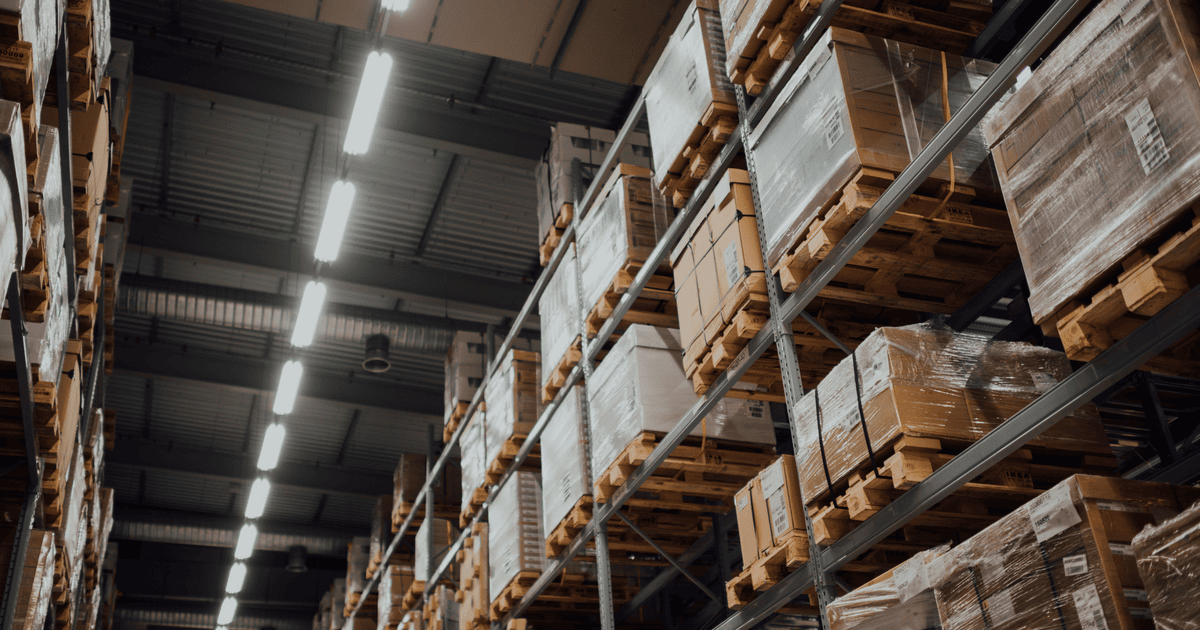
The order is picked. The box is sealed. The label is printed. The pallet is loaded. The truck pulls away from the loading dock. The ERP system updates the order status to "shipped." The invoice is raised. The logistics team moves on to the next batch.
That is the last time most manufacturers know anything specific about that product. From that moment forward, the unit goes silent. The unit with serial number JK-4821-A, assembled on line 3 on a Tuesday in March, tested and passed by a technician whose name is in the quality record: gone from view. The manufacturer does not know where it ends up, who uses it, what happens to it, or when it stops working.
The product has a life ahead of it. Years of it. The manufacturer will not be part of any of it.
What Happens After the Loading Dock
The product's life does not end at despatch. In most cases, it is just beginning. What follows is a series of events that the manufacturer has every reason to care about and no mechanism to know about. The scenarios below are illustrative composites, not documented cases, but they reflect patterns that play out every day across every category of physical product.
The Power Tool in the Garage
Consider a cordless impact driver that ships from a distribution centre in the Midlands. It passes through a tool wholesaler, then a trade counter, then into the back of a van belonging to a joiner in Leeds. It is used on site for eighteen months. The battery starts losing charge faster than it should. The joiner searches for a replacement battery online. Not from the manufacturer but from Amazon, where a third-party battery is half the price and available next day. It does not fit properly. It works for three months, then fails, taking the tool with it.
The manufacturer never knew the joiner existed. Never had a chance to supply the correct battery. Never knew the tool was damaged by a third-party part. The tool is in a bin. The joiner buys a different brand.
The Medical Device in the Ward
Consider a patient monitoring unit shipped to a hospital trust through an NHS supply chain tender. It is installed in a ward, used for four years, then moved to a different ward during a refurbishment. The calibration schedule that came with the original installation does not follow it. A biomedical engineer in the new ward is not aware of the manufacturer's recommended service interval. The device drifts out of specification. No one notices until an audit eighteen months later.
The manufacturer has a calibration service. They have a field engineering team. They have a recommended maintenance schedule tied to the specific model and firmware revision of that unit. But they do not know which ward the device is in, who is responsible for it, or that it moved. The last record they have is the original shipment to the trust's central stores, four years ago.
The Liferaft on the Boat
Consider a marine liferaft manufactured, tested, certified, and shipped to a chandlery on the south coast. A boat owner buys it. It is fitted to the vessel and stowed on deck. Two years later, the boat is sold privately. The liferaft goes with it. The new owner does not know the service interval. The original owner did not transfer the service record. The chandlery has no reason to contact the new owner. The manufacturer has no idea the boat has changed hands.
The liferaft is now three years past its service date. It is still certified on paper (the original certificate is in a folder somewhere), but it has not been inspected. If it is needed in an emergency, it may deploy. It may not. Nobody in the chain: not the manufacturer, not the chandlery, not the original owner, not the current owner, has a reliable picture of where the liferaft is and whether it is serviceable.
The manufacturer built this product to save lives. They tested it. They certified it. They have a service network ready to maintain it. And they cannot reach the person who needs that service, because the product went silent the day it left the factory.
The Information That Disappears
What is lost at the point of despatch is not trivial. It is the information that would make the manufacturer's post-sale operations actually work.
Location: Where is the product right now? Not which distributor received it, but where is the end unit, in whose hands, at what address? For most manufacturers, the answer is unknown for the large majority of their installed base.
Ownership: Who has it? The person who bought it from the retailer? Someone who bought it second-hand on eBay? A company that acquired the business that originally purchased it? Ownership changes. The manufacturer's records do not.
Condition: Has it been serviced? Modified? Repaired by a third party? Had a component replaced with a non-genuine part? Is it running the latest firmware? Is it still within its original operating parameters? The manufacturer specified all of these things and cannot verify any of them.
Usage context: Is the product being used as intended? A heater designed for domestic use running 16 hours a day in a commercial kitchen. A tool rated for intermittent use being run continuously on a production line. A safety device fitted to a vessel that operates in conditions more severe than the certification covers. The manufacturer has guidance for all of these scenarios and no way to deliver it.
Lifecycle stage: Is the product in active daily use, in storage, approaching end of life, or already disposed of? Take, for example, a manufacturer shipping 50,000 units per year: the installed base grows by 50,000 each year, but they have no mechanism to know how many are still in active service, how many have been scrapped, and how many are sitting in a cupboard waiting for a spare part that the owner does not know how to order.
The Cost of Silence
This is not an abstract problem. The consequences accumulate across every year the product is in the field, and the pattern is consistent across product categories.
Support costs rise sharply. When a customer does contact the manufacturer (and most do eventually, when something goes wrong), the interaction starts from zero. The support agent does not know which product the customer has, which model revision, which warranty state, which service history. Every call starts cold. The interaction costs substantially more than a call where the product and customer context are already on screen.
Recall capability is partial. A safety recall notice goes out. The manufacturer can directly contact registered owners: typically a fraction of the installed base. Everyone else depends on media coverage, retailer cooperation, and the hope that customers see a notice and self-identify. For products with safety implications (medical devices, power tools, marine safety equipment), this is not a minor operational gap. It is a significant risk to product safety and consumer protection.
Parts revenue leaks to third parties. The customer needs a filter, a blade, a gasket, a battery. They do not have a relationship with the manufacturer. They search online. The manufacturer's genuine part (correct fit, full warranty, tested compatibility) is competing with third-party alternatives that are easier to find because the customer is already on Amazon. Much of that revenue flows to third parties, not because their parts are better, but because the manufacturer is not present at the moment of need.
Resale severs every remaining thread. When a product changes hands privately, any existing relationship between the manufacturer and the original owner ends. The new owner starts from scratch. No warranty transfer. No service history. No contact with the manufacturer. The 12-click registration process that the original owner may have completed is now worthless.
Why Manufacturers Stop at Despatch
The silence is not accidental. It is structural.
Manufacturing businesses are organised around the moment of sale. Every system (ERP, CRM, logistics, finance) is optimised for getting the right product to the right place at the right time. This is what operations teams are measured on. This is where investment goes. This is what gets improved year after year.
Post-sale is a different department, a different budget, a different set of metrics. It is reactive by design: wait for the call, process the claim, ship the part. The idea that the manufacturer should maintain an active, ongoing relationship with every owner of every product in the field is not rejected. It is simply not part of the operating model. The tools to do it have not existed. The business case has not been made. The gap between "product shipped" and "customer known" has been accepted as the natural order of things.
But it is not natural. It is a limitation of the systems that were available when these processes were designed. A registration card in the box. A warranty form on a website. A phone number on a label. These were the best mechanisms available for connecting a manufacturer to a customer, and they required the customer to do all the work. Most customers did not do the work. And so the silence became the default.
What If the Product Did Not Go Silent
The question is not whether the silence matters. The costs above make that clear. The question is whether the silence is inevitable.
It is not.
A product that has a digital identity (not just a serial number in an ERP system, but a scannable, web-connected identity that the customer interacts with) does not go silent at despatch. It goes live.
The customer scans the product at unboxing. The product identifies itself. The customer identifies themselves. The manufacturer is notified. In that single moment, much of the information that was lost at the loading dock is recovered: who has this product, roughly where they are, when they started using it. The product model and service history can then guide what they are likely to need.
From that point forward, the product has a voice. It can surface the right spare part for the right model revision. It can prompt a service at the right interval. It can verify warranty status without the customer having to produce a receipt. It can welcome a new owner when the product changes hands. It can alert the manufacturer to a recall-affected unit wherever it is in the world.
When the new boat owner scans the liferaft, they can see immediately that a service is overdue and who to call. When the joiner scans the power tool, they see the correct battery for that exact model before finding a third-party alternative. When the medical device moves between wards and is scanned in the new location, it carries its calibration history with it. The manufacturer stops losing their products at the loading dock and starts maintaining a relationship with every unit that has been registered in the field.
The Compound Effect
The value is not in any single interaction. It is in the accumulated effect of thousands of products remaining connected to the manufacturer throughout their useful life. Take, for example, a manufacturer with 200,000 units in the field: at say 75% registered and connected, they have a living picture of their installed base (where the products are, who has them, what condition they are in, what they need). That picture does not exist at say 20% registration. It cannot be built from support tickets and warranty claims alone. It requires the product itself to be the connection point: always on, always available, always carrying its identity and history.
The Silence Is a Choice
Every manufacturer has accepted the silence because there was no practical alternative. The product shipped. The customer disappeared. The relationship, if it existed at all, depended on a registration process that most customers never completed.
That is no longer the only option. The technology to give every product a persistent digital identity (one that connects it to its owner from the first scan and can maintain that connection through service events, resale, and recalls) exists now. It does not require the customer to install an app or fill in a form. A single scan is the point of connection.
The question for every manufacturer is no longer "can we know who has our products?" It is: "are we willing to keep not knowing?"
The loading dock does not have to be the end of the story. It can be the beginning.
BrandedMark gives every physical product a digital identity that persists through ownership transfers, service events, and recalls. One scan connects the product to the person who has it. See how it works →